

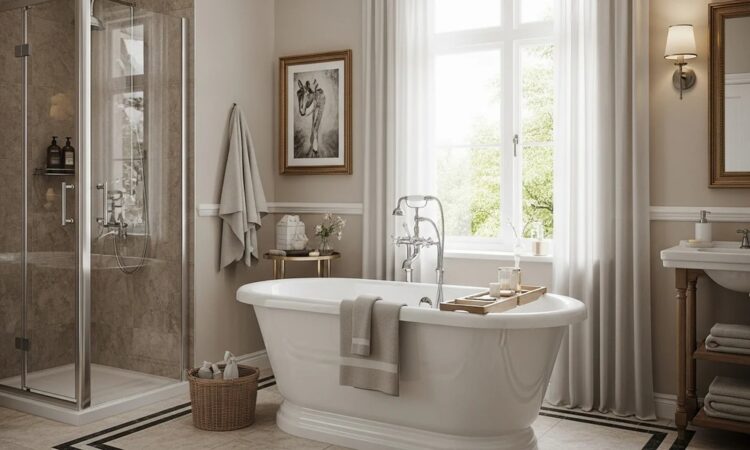

Tight spaces and high design ambitions often clash when it comes to renovating a small bathroom. The image of a freestanding bathtub evokes luxury and relaxation, but can this centerpiece really work in a room where every inch counts?
Challenges of Fitting a Bathtub in Small Bathroom Spaces
Some bathrooms simply weren’t designed with a soak in mind. Narrow layouts, awkward plumbing, and a lack of floor space frequently force homeowners to settle for cramped showers or tiny tubs. The need for clear walkway zones, accessible fixtures, and practical storage further complicate the equation. Squeezing in a bathtub can sometimes mean sacrificing comfort or function elsewhere.
The size of a bathroom dictates not only what fits physically, but also how the space feels. A poorly chosen tub can dominate the room and create an oppressive, cluttered look. Many people still believe that bathtubs are reserved for large, sprawling bathrooms, but this is often a misconception. Advances in design have delivered more adaptable solutions that can challenge old assumptions.
Evaluating Freestanding Bathtubs for Compact Bathrooms
Freestanding tubs aren’t all oversized statement pieces. Modern collections offer a range of lengths, widths, and depths, including petite models created specifically for smaller floors. Some designs use thinner rims or minimalist curves to shrink the footprint without sacrificing style or comfort.
Owners of compact bathrooms appreciate that a freestanding tub can be placed flexibly, unlike built-ins anchored to a single wall. The open space underneath and around the tub can create a feeling of airiness, making the bathroom appear larger than it measures. On the flip side, freestanding tubs can pose installation challenges. They often require more elaborate plumbing, and their exposed sides demand careful cleaning and maintenance. Without proper planning, a freestanding tub can feel wedged in rather than artfully placed.
Comparing Freestanding Bathtubs with Other Styles
How do freestanding tubs measure up to the alternatives commonly chosen for small spaces?
| Tub Style | Space Needed | Plumbing Complexity | Visual Impact | Storage Options |
|—————–|————-|——————–|—————-|—————–|
| Freestanding | Variable | Moderate-High | Statement | Limited |
| Alcove/Built-in | Minimal | Low | Subtle | High (shower walls, niches) |
| Corner Tub | Small | Moderate | Efficient | Moderate |
| Shower-Tub Combo| Minimal | Low | Practical | High |
Alcove and built-in tubs hug the wall, maximizing usable area, and often allow for extra shelving. Corner tubs solve awkward layouts but may look utilitarian. Shower-tub combos squeeze function into the smallest footprint. Material and shape also play a role; lighter acrylic or composite tubs can be easier to maneuver and install than heavy stone models.
Key Factors to Consider Before Choosing a Freestanding Tub
Before falling in love with a sleek tub silhouette, homeowners should pull out the measuring tape. It’s essential to account for floor space, drain location, and the direction of plumbing lines. Some floors may need reinforcement to bear the tub’s weight when filled.
Doorways and hallways can be an unexpected hurdle. Narrow entryways might prevent certain tubs from even reaching the bathroom. For these reasons, expert advice, whether from a plumber or a design consultant, can prevent costly surprises.
Maximizing Small Bathrooms with Smart Freestanding Tub Designs
Designers recommend choosing slim, minimalist tubs with a small footprint to save space. Placing the tub near a window or using pale colors can trick the eye, making the bathroom feel brighter and larger. Integrating shelves or floating vanities nearby helps reclaim storage while keeping the room open.
Some homeowners opt for wall-mounted faucets to cut down on clutter, or use glass panels instead of heavy shower curtains to preserve sightlines. A freestanding tub set on legs can visually open up the floor, while clever lighting can turn the tub into a true focal point, no matter how small the room.
Installation and Maintenance Tips for Small Space Bathtubs
Proper site preparation is non-negotiable. Plumbing should be routed to minimize bends and visible pipes. Professional installers may recommend reinforcing the floor or adjusting water supply lines. Ensuring the tub is sized correctly for the space guarantees both comfort and practicality.
In smaller bathrooms, cleaning can be tricky. Freestanding tubs with smooth, accessible undersides are easier to wipe down. Choosing materials that resist stains and scratches pays off in the long run, as does keeping the surrounding area uncluttered for easy access.
Actionable Steps to Decide if a Freestanding Tub Fits Your Bathroom
– Measure your available floor space, including doorway and hallway clearance.
– Evaluate your existing plumbing and floor structure.
– Visit a showroom or consult with experts, like those at Vasca design freestandingbathtubs, to see compact models in person.
– Set a realistic budget that includes installation, materials, and potential modifications.
Final Considerations: Making Freestanding Bathtubs Practical in Small Bathrooms
Striking the right balance between aesthetics, comfort, and function is the key. While there are challenges, the rewards of a thoughtfully chosen freestanding tub can outweigh the initial headaches, transforming an ordinary bathroom into a spa-like escape. With adaptable sizes, tailored installation, and some creative design, luxury can fit even in the coziest of spaces. Homeowners willing to explore new layouts and customized solutions may discover that their dream tub is not only possible, but practical.