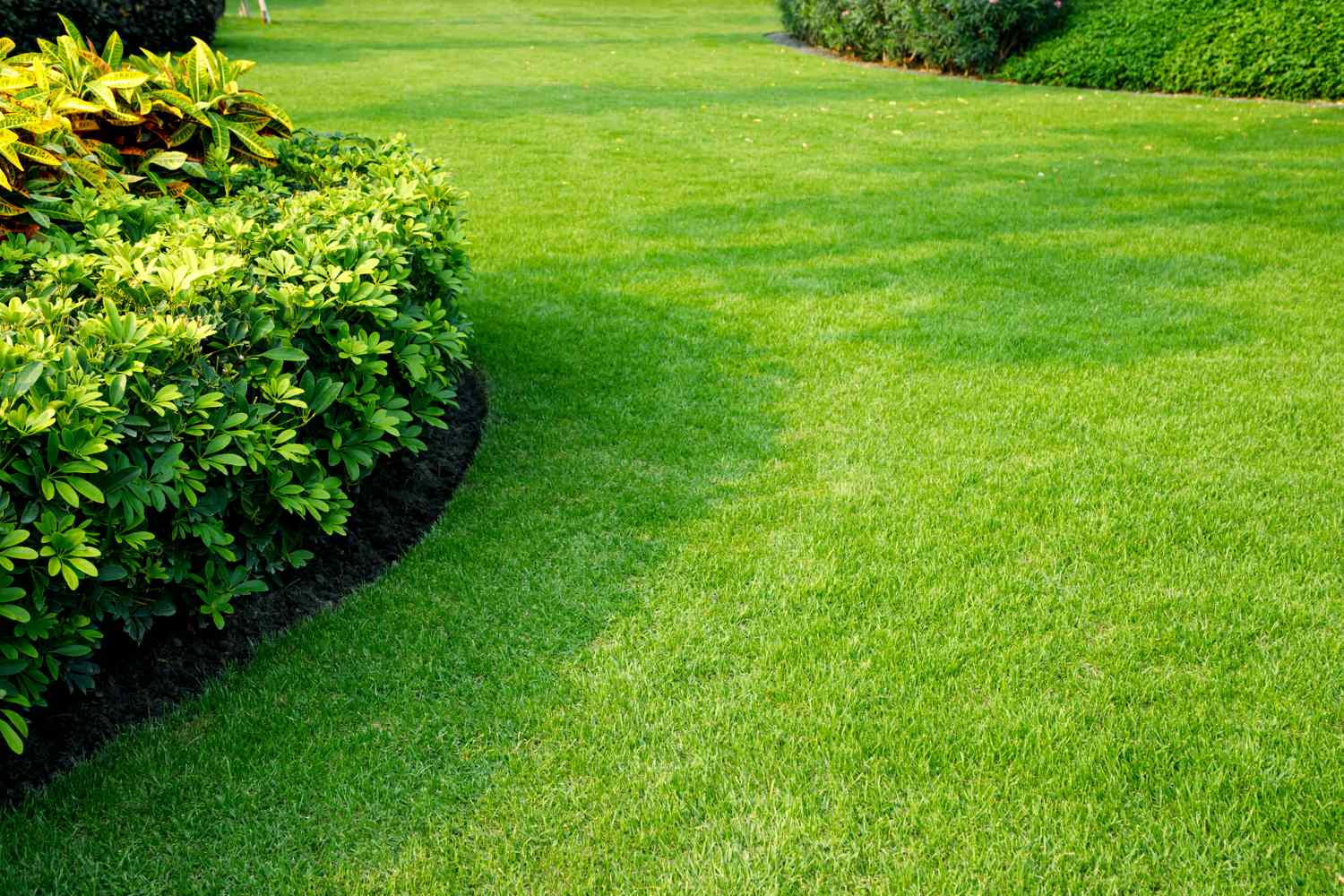
Weather can have a dramatic impact on the health and appearance of your lawn. Heat waves, droughts, heavy rainfall, and early frosts each place unique stress on grass, making proactive care essential for maintaining lush, resilient turf. Homeowners who understand how to respond to extreme weather conditions can prevent damage, reduce maintenance costs, and ensure that their lawns thrive throughout the year.
This article explores strategies for protecting your lawn during periods of extreme heat, drought, heavy rain, and cold, helping you maintain a green, healthy yard no matter the season.
Managing Heat Stress
High temperatures, especially during the summer months, can severely impact grass health. Excessive heat causes rapid evaporation of soil moisture, stressing roots and leaving the lawn vulnerable to disease and pests.
Tips to reduce heat stress:
- Water deeply and infrequently: Provide 1–1.5 inches of water per week, preferably in the early morning to minimize evaporation.
- Raise mower height: Taller grass shades the soil, conserves moisture, and protects roots from intense heat.
- Use mulch or clippings: Leaving grass clippings on the lawn adds insulation, reducing heat exposure.
- Limit heavy foot traffic: Avoid walking on hot, stressed grass, which can increase damage and compaction.
Monitoring the lawn daily during heat waves allows homeowners to intervene early if signs of stress appear, such as wilting, browning, or thinning.
Preventing Drought Damage
Prolonged dry periods strain grass by limiting water and nutrient availability. Drought-stressed lawns often develop shallow roots, making them more vulnerable to future stress.
Strategies for drought resilience:
- Deep root watering: Apply water slowly to reach deeper roots, encouraging strong root growth.
- Drought-tolerant grass varieties: Certain grass types withstand dry conditions better, reducing long-term maintenance needs.
- Reduce fertilizer applications during drought: Excess fertilizer can exacerbate stress by forcing rapid growth that requires more water.
- Aerate compacted soil: Healthy soil improves water absorption and retention, helping grass survive dry periods.
A proactive approach during drought conditions ensures that the lawn remains healthy and reduces the risk of permanent damage.
Handling Heavy Rainfall
While water is vital, excessive rain can also harm lawns. Saturated soil reduces oxygen availability to roots and increases the risk of disease and erosion.
Tips to manage wet conditions:
- Improve drainage: Install or maintain drainage systems to prevent pooling and soil erosion.
- Avoid walking on waterlogged lawns: Compaction from foot traffic on wet grass can damage roots.
- Mow carefully: Wait until the grass is dry to avoid tearing and spreading disease.
- Fungal prevention: Keep an eye out for mold, mildew, or fungal spots and treat promptly.
Proper management of heavy rainfall helps prevent long-term damage and maintains a strong, healthy turf base.
Protecting Your Lawn from Cold and Frost
Early frosts or prolonged cold periods can stress grass, particularly in areas with fluctuating winter temperatures. Cold stress slows growth, weakens roots, and may lead to discoloration or bare spots.
Cold weather strategies:
- Keep mowing until grass stops growing: Gradually reduce mowing frequency as temperatures drop.
- Apply fall fertilizer: A balanced fertilizer strengthens roots before dormancy.
- Remove debris: Leaves and branches can trap moisture, promoting fungal growth in winter.
- Limit traffic: Walking on frozen or wet grass can break blades and compact soil, causing damage in spring.
Preparing the lawn for winter conditions ensures a healthy, quick recovery when the growing season returns.
Combining Preventative Care with Seasonal Practices
Extreme weather care is most effective when integrated with ongoing lawn maintenance. Regular practices such as soil testing, aeration, proper mowing, and targeted fertilization provide the foundation for resilience. Seasonal routines complement extreme weather strategies:
- Spring: Assess lawn health after winter, apply pre-emergent weed control, and ensure proper irrigation systems.
- Summer: Implement heat and drought management strategies, monitor for pests, and maintain mowing practices.
- Fall: Strengthen roots, overseed damaged areas, and prepare for winter.
- Winter: Protect dormant grass, remove debris, and monitor for early signs of disease or frost damage.
By linking seasonal care with extreme weather preparedness, homeowners can reduce stress on their lawns and improve recovery.
Professional Support for Lawn Resilience
Many homeowners benefit from professional guidance when managing extreme weather impacts. Lawn care experts can:
- Evaluate soil and grass type suitability for local climate conditions
- Recommend irrigation schedules and adjustments for seasonal changes
- Apply fertilizers and treatments strategically to minimize stress
- Identify early signs of disease, pest infestation, or environmental damage
For residents seeking reliable assistance in maintaining a healthy lawn through heat, drought, heavy rain, and cold, professional services specializing in lawn care in Newtown CT provide customized strategies tailored to local conditions.
Conclusion
Extreme weather presents challenges for lawn health, but proactive care can mitigate the effects of heat, drought, heavy rainfall, and frost. By combining appropriate watering techniques, mowing strategies, soil management, and seasonal adjustments, homeowners can preserve the strength and appearance of their grass.
Preparedness, vigilance, and professional guidance ensure lawns remain lush, resilient, and vibrant year-round. With careful attention and strategic planning, even challenging weather conditions can be managed effectively, keeping your yard beautiful and healthy in every season.

Comments are closed.