
Salvaged building materials are components recovered from existing structures and reused in new construction or renovation projects. In Milwaukee, where historic neighborhoods, lakefront warehouses, and early industrial buildings remain part of the city’s landscape, reclaimed materials offer a practical way to preserve architectural character while reducing environmental impact. Reuse limits landfill waste and lowers demand for new manufacturing, which supports broader sustainability goals across Milwaukee’s building sector.
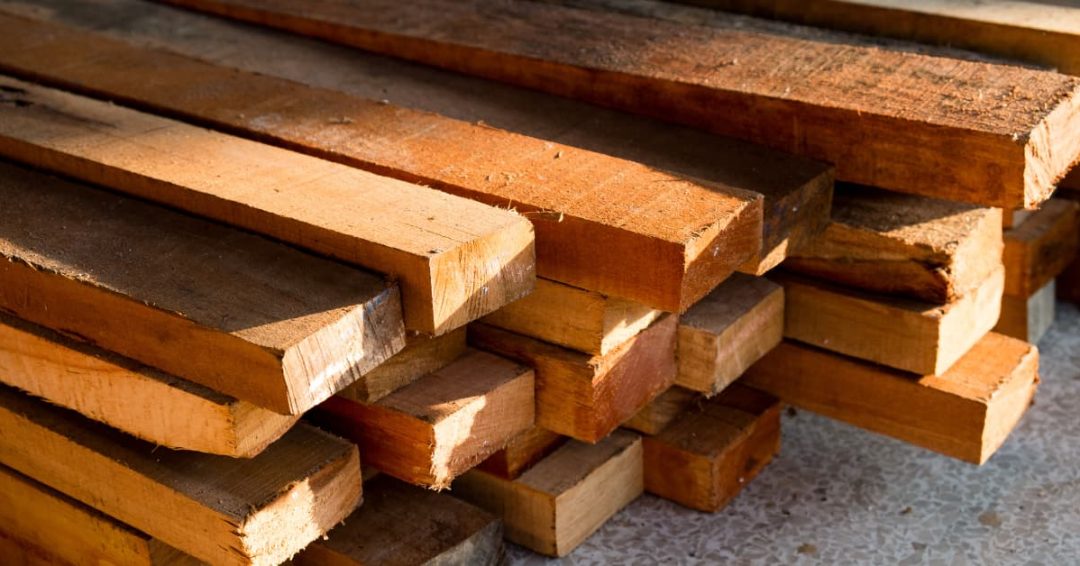
Beyond environmental benefits, many reclaimed materials provide superior durability. Older lumber was often harvested from slow-growth forests, producing denser and stronger wood than many modern alternatives. Brick and stone from early Milwaukee buildings also tend to have long service lives when properly cleaned and reset.
Common Types of Reclaimed Materials Available
Milwaukee’s varied building history supports a wide range of salvage opportunities. Frequently sourced items include:
- Hardwood flooring removed from early residential properties
- Timber beams and joists from factory and warehouse renovations
- Brick, limestone, and concrete pavers from commercial redevelopments
- Solid wood doors, windows, and trim with original craftsmanship
- Metal railings, light fixtures, and hardware reflecting industrial design
These materials often carry natural aging patterns that add visual depth and authenticity to both traditional and contemporary design projects.
Where to Find Salvaged Materials in Milwaukee
Reliable sourcing depends on knowing which local channels consistently provide quality materials. Milwaukee offers several established options:
- Architectural salvage warehouses that inventory materials from demolition and remodeling projects
- Nonprofit reuse centers that resell donated construction items and support community programs
- Deconstruction contractors who carefully dismantle buildings to preserve reusable components
- Commercial renovation sites that release surplus materials during upgrades
- Neighborhood property clear-outs and estate sales in older residential areas
Evaluating Quality and Project Suitability
Careful inspection is essential when selecting reclaimed materials. Not all items are ready for immediate reuse, and some may require restoration. Buyers in Milwaukee should evaluate:
- Structural soundness, especially for beams and framing lumber
- Moisture damage, mold, or insect activity in wood products
- Surface coatings, including lead-based paint on older components
- Uniformity of dimensions when matching large quantities is necessary
- Compliance with current building codes and permit requirements
Transportation, Storage, and Preparation
Proper handling protects reclaimed materials from damage before installation. Milwaukee’s seasonal climate makes storage planning particularly important.
- Arrange covered transport to shield materials from rain and snow
- Store wood in dry, ventilated spaces to prevent warping and decay
- Separate metal items to avoid corrosion and scratching
- Label and organize materials for efficient installation later
- Schedule time for cleaning, sanding, or sealing before final use
Budget Planning and Cost Expectations
While reclaimed materials can reduce some material expenses, costs vary depending on availability and condition. Rare or highly sought-after items may be priced higher than standard modern products. A realistic budget should include:
- Purchase cost of salvaged components
- Refinishing, treatment, or repair expenses
- Transportation and handling fees
- Installation labor, which may require specialized skills
Benefits Beyond Cost and Sustainability
Using salvaged materials in Milwaukee projects offers benefits that extend beyond economics and environmental responsibility. Reclaimed elements contribute to neighborhood continuity, especially in historic districts where maintaining visual consistency is important. They also support local salvage businesses and deconstruction services, strengthening the regional reuse economy.
In addition, incorporating reclaimed items can increase property appeal. Buyers and tenants often value unique architectural details that reflect Milwaukee’s industrial and residential heritage.
Final Words
Sourcing local reclaimed building materials in Milwaukee requires planning, careful inspection, and reliable supplier relationships. When approached thoughtfully, salvaged materials enhance durability, preserve architectural identity, and support sustainable construction practices.
By understanding where to find quality materials and how to prepare them for reuse, Milwaukee builders and homeowners can create functional, distinctive spaces that respect both environmental priorities and the city’s rich building history.