

Choosing the right split system air conditioning can make a significant difference for you. This is a highly recommended option for energy efficiency. With many models and features available for split system air conditioners today, it’s important to understand what to look for. This guide will help you navigate the factors to consider when buying a split system air conditioner.
Cooling Needs
Start the process by looking at the size of your room. Make sure that you know how big the area is that you want to cool. When buying air conditioners, you will find them to be rated by capacity. Choosing a unit that is too small will not have the capacity to cool the space. And choosing one that is too large may lead to a waste of energy. Consider the following when assessing your cooling needs:
- Room size
- Ceiling height
- Room insulation
- Number of occupants
Energy Efficiency Ratings
This is an important consideration when choosing air conditioning units. Prioritize high energy efficiency ratings. Energy-efficient systems may cost more upfront. However, this is considered a good investment because it can significantly reduce electricity costs over time.
Filtration Systems
Air quality is an important consideration when buying an air conditioning system. Many split systems include built-in filters. This is more efficient in removing air pollutants. That is why split systems are highly recommended for families with allergies. The advanced filtration can help improve indoor air quality.
Installation Requirements
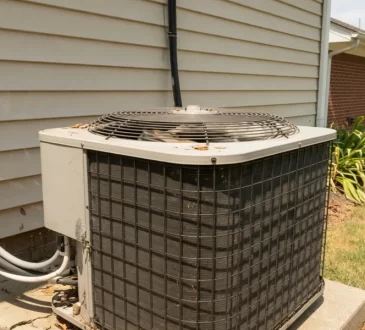
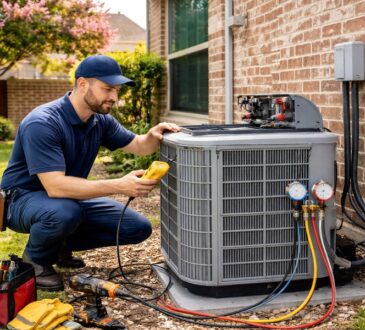
Split A/C systems are easier to install than ducted models. However, it is crucial that this is installed by a professional. This is composed of two units: indoor and outdoor. The indoor unit should be installed for optimal airflow. On the other hand, the outdoor unit should be placed in a well-ventilated area. That’s why it’s best to hire a qualified technician for this installation.
Inverter Technology
These types of air conditioning systems are more efficient compared to the non-inverter models. Inverter technology allows the A/C system to adjust the compressor speed based on your home’s cooling demand. This technology ensures consistent temperature. Consuming less power means better energy savings.
Noise Levels
Not a lot of people can sleep through the noise of an air conditioning system. Noise can affect comfort. Split systems are generally quieter than older models of air conditioners. Remember that the noise levels can vary between models. Make sure that you check the decibel rating first. This can help ensure the unit operates at a comfortable sound level.
Reasonable Budget
Determine your budget before buying an air conditioning system. It’s important to find an affordable option. However, make sure that you do not compromise quality. The unit should be efficient even for everyday use. Set a reasonable budget for a reliable unit.
Smart Controls
The split systems come with smart features. This can enhance convenience. Make sure that you can adjust the temperature using a remote control. Some may also have programmable timers for smart connectivity. See if you can adjust the A/C system settings even when you are not at home.
Unit Maintenance Requirements
Regular maintenance is required to ensure that the air conditioner keeps running efficiently. Choose an A/C model that is easy to clean and maintain. Also, check the warranty from the manufacturer. Make sure that you protect your investment.
Conclusion
Buying a split system air conditioning is easier these days. Still, this requires careful consideration of the factors discussed above. Focus on these to help you find the right system. With the right choice, you can enjoy an energy-efficient living space with your new split system air conditioner.