
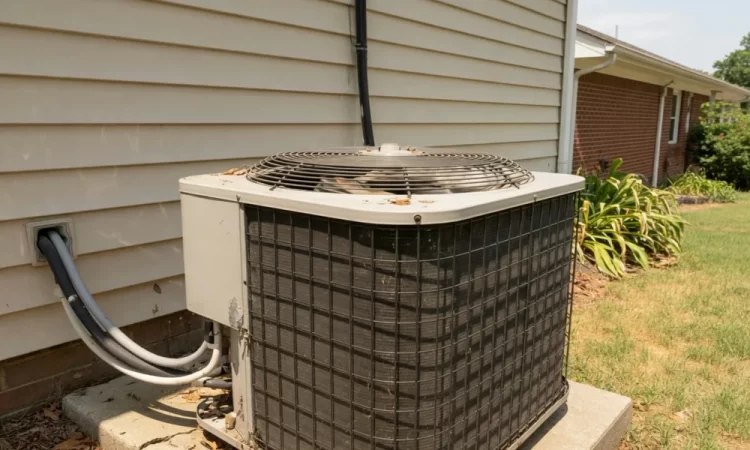
Central Texas is hard on heating and cooling systems. Summer afternoons in Austin and the Hill Country often pass 100 degrees, humidity hangs on into the evening, and the cooling season can run from April well into October. Winter brings long mild stretches broken by a few sharp freezes, so the same equipment has to switch jobs with little warning.
Comfort and efficiency in this climate usually don’t fail all at once. They wear down through small problems: a filter left in too long, a duct joint that slips loose in the attic, a thermostat measuring the wrong room. Each one adds runtime. Runtime raises the electric bill and shortens the life of the equipment. The six weak spots below are where most homes in the region lose ground.
For homeowners who would rather have a professional catch these problems early, Air Comfort Systems repairs AC systems of all brands across Austin, Dripping Springs, Wimberley and nearby communities. It also offers 24/7 emergency service for units that quit in the middle of a heatwave. The family-owned Bryant Factory Authorized Dealer runs the VIP Comfort Club, which costs $195 a year and includes two seasonal tune-ups, priority scheduling and 15 percent off repairs. If your system hasn’t been checked since spring, schedule a fall tune-up before the first cold front arrives.
1. Maintenance That Slips Past a Season
The pattern: Many systems get serviced only after something breaks. Here the compressor may run most of the day for five months, so wear builds up without anyone noticing.
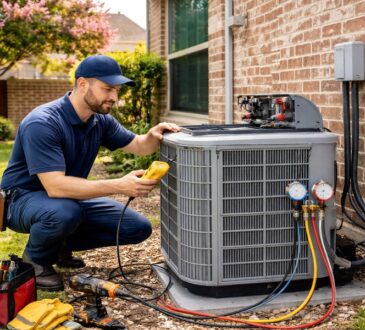
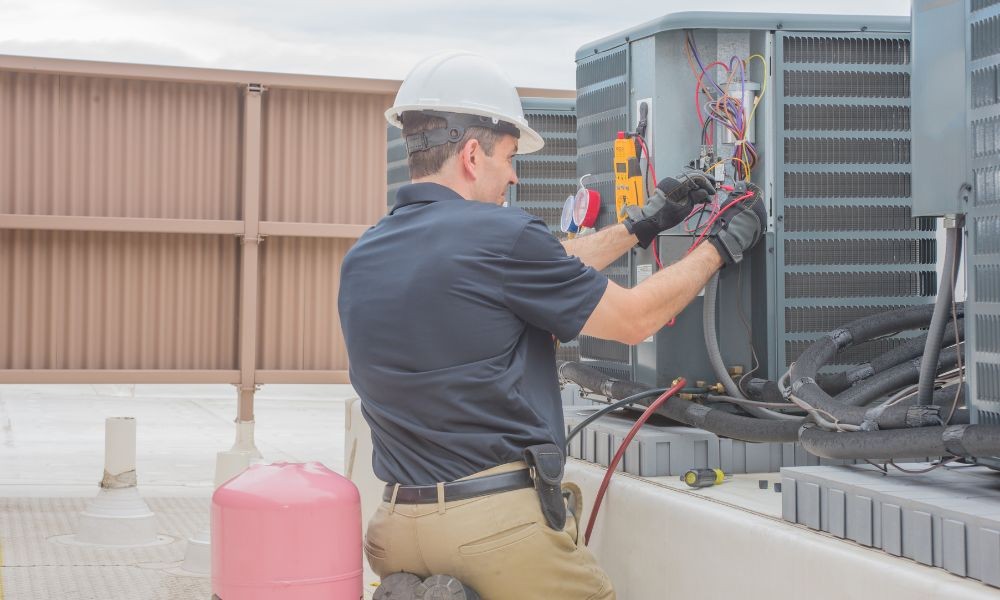
What a tune-up covers: A proper visit includes:
- cleaning the condenser and evaporator coils
- checking the refrigerant charge
- testing capacitors and contactors
- measuring the temperature split
- flushing the condensate drain line
In humid summers, that drain line commonly clogs with algae and causes water damage.
The homeowner’s part: The filter is your job, and it pays off. The U.S. Department of Energy says replacing a dirty, clogged filter with a clean one can cut an air conditioner’s energy use by 5 to 15 percent. During peak summer, check it monthly.
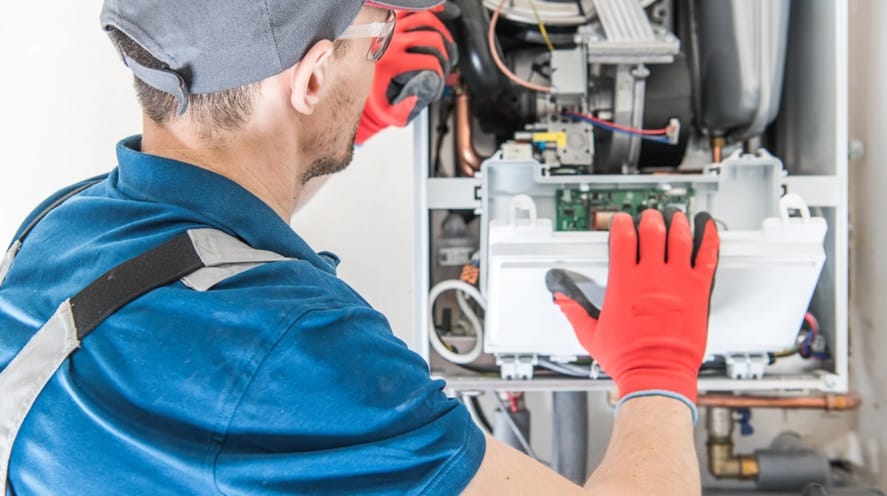
Timing: A spring visit prepares the cooling side. A fall visit checks the heat pump or furnace, including heat strips and gas burners, before the first norther blows through.
2. Small Repairs Left Until August
Early warnings: Watch for these symptoms:
- a unit that hums before it starts
- short cycling
- lukewarm air in the afternoon
- ice forming on the refrigerant line
They often point to a weak capacitor, a failing fan motor, a low charge from a slow leak, or restricted airflow.
Why waiting costs more: One struggling part makes others work harder. A failing capacitor puts strain on the compressor, the most expensive component in the system. Refrigerant leaks rarely seal themselves, and topping off the charge without finding the leak only postpones the repair.
The local factor: Repair calls spike during heat waves, which is when wait times are longest. Fixing a known issue in mild weather keeps you out of that line.
3. Ductwork Losing Air in the Attic
The scale of it: Ducts are easy to forget because you never see them. According to ENERGY STAR, a typical house loses 20 to 30 percent of the air moving through its duct system to leaks, holes and poorly connected sections.
Why it hits harder here: Most Central Texas homes run ducts through attics that bake all summer. A leak there pours cooled air into a superheated space. It can also pull hot, dusty attic air back in through the returns.
Signs to watch:
- rooms that never match the thermostat setting
- weak airflow from some registers
- dust streaks around vents
- crushed or kinked flex duct
The fix: Seal joints with mastic or foil tape, never cloth duct tape. Insulate exposed runs and replace sections that have collapsed or come apart. Runs that are undersized or badly designed may need rerouting rather than patching.
4. A Thermostat Working From Bad Information
Placement problems: A thermostat on a sunny wall, near the kitchen, or beside a supply vent reads a temperature that doesn’t match the rest of the house. It may shut the system off too early, or keep it running long after the living areas are comfortable.
Aging controls: Older mechanical and early digital models drift out of calibration. Some also handle heat pump auxiliary heat poorly, which can run up winter bills without any obvious sign.
Smarter setbacks: A programmable or smart thermostat lets you raise the setpoint while the house is empty in summer and lower it overnight in winter. The thermostat also has to match the equipment, whether it’s single stage, two stage or variable speed. That matters as much as any feature on the box.
5. Indoor Air Nobody Checks
The baseline: The EPA reports that Americans spend about 90 percent of their time indoors. Indoors, concentrations of some pollutants are often 2 to 5 times higher than typical outdoor levels.
Central Texas triggers:
- Mountain cedar pollen peaks from December through February.
- Oak and grass pollen follow in spring.
- Humid summers encourage mold around coils and drain pans.
Homes shut tight against the heat trap all of it.
Practical upgrades: Options include higher-efficiency filters matched to the system’s airflow, UV lights aimed at the coil, whole-home air purifiers and humidity control. An oversized system short cycles and leaves humidity high, which a technician can spot during routine service.
6. Gaps in the Home’s Outer Shell
Where heat gets in: Outdoor air moves freely in and out through:
What weatherization does: Sealing those openings and adding insulation lowers the load on the AC. The system then runs shorter cycles and holds temperature more evenly. Older homes and manufactured homes tend to gain the most, since their skirting and belly insulation often break down over time.
Pairing it with HVAC work: Weatherization and duct sealing work best together. Tightening the house while the ducts still leak, or sealing the ducts in a drafty house, solves only half the problem.
These weak spots tend to feed one another. A leaky duct pulls in attic dust that clogs the filter faster. A clogged filter strains the blower. A badly placed thermostat keeps the whole system running longer than it needs to. The best order is to start with routine service, then work outward to ducts, controls, air quality and the building shell. That approach gives steadier comfort through a long Central Texas summer, and through a winter that can swing from 75 degrees to a hard freeze in a single day.