
Almost every home has one. The bedroom that stays stuffy while the rest of the house is comfortable, the upstairs that feels like a sauna in July, the living room that never quite warms up in January. Homeowners often assume the answer is a bigger air conditioner or a new furnace, but comfort problems are frequently about how air moves through the house, not how much of it the equipment can make. Below are the most common complaints, what usually causes them, and what is worth trying before you spend serious money.
The upstairs is always warmer than the downstairs
What is usually happening: Warm air rises, so heat naturally collects on upper floors. Add sun on the roof, a hot attic above the ceiling, and a single thermostat located downstairs, and the upper level can sit several degrees off from the main floor.
What to try: Start with simple fixes. Close blinds on sun facing windows during the afternoon, run ceiling fans in the right direction for the season, and make sure upstairs vents and returns are open and clear. If the gap stays large, the system may need adjustment, such as balanced dampers or a zoning setup that lets each floor be controlled on its own. Insulation and air sealing in the attic can also make a noticeable difference.
One bedroom never matches the rest of the house
What is usually happening: A single stubborn room often points to an airflow issue rather than a failing system. The supply duct may be too small or kinked, a damper may be closed, the return path may be blocked by a shut door, or the room may have more windows or exposure than the system was designed for.
What to try: Check that the vent is open and not covered by furniture or curtains. Leave the bedroom door slightly open, or ask about a return vent or transfer grille so air can flow back to the system. A company like Radiant Air Systems can measure airflow room by room, test duct sizing, and adjust dampers, which takes the guesswork out of a problem that otherwise leads to years of trial and error.
It also helps to resist the urge to close vents in rooms you rarely use. It sounds like a smart way to save energy, but it can raise pressure in the ductwork and push more air out through leaks elsewhere.
Vents blow weakly or the air seems to disappear on the way
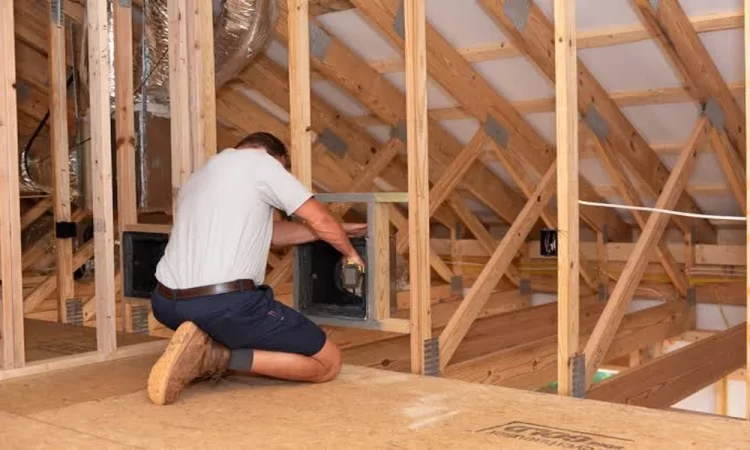
What is usually happening: Leaks in the ductwork are a common culprit, and they are easy to miss because ducts sit out of sight in attics, crawl spaces, and walls. ENERGY STAR reports on its duct sealing page that in a typical house about 20 to 30 percent of the air moving through the duct system is lost to leaks, holes, and poor connections. Its warning signs include ducts running through an attic, crawl space, or garage, and tangled or kinked flexible ducts.
What to try: For ducts you can reach, seal visible gaps with mastic sealant or metal tape and add insulation where ducts pass through unheated areas. Ducts hidden inside walls and ceilings are harder to repair, so a heating and cooling contractor is the better route. ENERGY STAR notes that most heating and cooling contractors also repair ductwork, so you do not need a separate specialist. Standard cloth backed tape is not a good choice for this job, since it tends to dry out and peel over time.
Dust and stale air keep coming back
What is usually happening: Dust that returns days after cleaning often travels through the system itself. A clogged or low quality filter, leaky return ducts that pull in attic or crawl space air, and dirty coils or blower parts can all spread particles through the house.
What to try: Replace the filter on a regular schedule, and make sure it is the right size and fits snugly with no gaps around the edges. Seal visible return leaks and have the system cleaned and inspected during a maintenance visit. If you want a higher grade filter, ask a technician first, because filters that are too dense can restrict airflow and strain the blower.
The house feels sticky even while the air conditioner runs
What is usually happening: Cooling and dehumidifying are related but different jobs. A system that is oversized for the home can cool the air quickly, shut off, and leave moisture behind because it never runs long enough to pull humidity out. Dirty coils, low airflow, and a fan left running between cycles can also leave a clammy feeling.
What to try: Set the fan to auto, replace the filter, and check that the condensate drain is not clogged. If the problem persists, ask a technician to evaluate system sizing, airflow, and whether a dedicated dehumidifier or a variable speed system would suit the home. Lowering the thermostat further usually just wastes energy without fixing the humidity.
A simple order to work through
When comfort problems pile up, it helps to tackle them in a sensible sequence instead of jumping to the most expensive fix.
- Check the basics. Filter, vents, thermostat settings, and blocked returns.
- Note the pattern. Write down which rooms, which times of day, and which seasons feel wrong.
- Look at the ducts. Inspect what you can reach, and seal and insulate obvious leaks.
- Bring in a professional. Ask for airflow measurements and a clear explanation of what each reading means.
- Consider upgrades last. Zoning, equipment changes, and added insulation make the most sense after the simpler causes are ruled out.
Comfort rarely comes from one big change. It comes from finding the specific weak point in your home and fixing that, and most of the time that means paying attention to the air you cannot see.