
Introduction
Windows are one of those home upgrades that everyone notices and few people understand. The frames look similar, the glass looks similar, and the quotes can vary wildly. If you are researching Granger window replacement, the good news is that the buying process becomes much clearer once you know which numbers matter and which questions to ask. This guide walks through five steps, in order, from checking your climate to making sure the installation is done right.
Step One: Find Your Climate Zone
Why Location Changes the Answer
A window that performs well in a hot, sunny climate is not necessarily the right choice in a cold one. According to ENERGY STAR, its criteria for windows, doors, and skylights depend on climate zone, and it lists finding your zone as the very first step in the shopping process. The agency offers a Climate Zone Finder so you can look up your area before you talk to any contractor.
What the Numbers Mean
Two ratings drive the requirements:
- U-factor measures how well a window prevents heat from escaping. Lower is better, and it matters in every climate.
- Solar heat gain coefficient, or SHGC, measures how much of the sun’s heat passes through the glass. In cold climates a higher SHGC can help in winter, while in hot climates a low SHGC keeps rooms cooler.
The Bottom Line for Step One
Know your zone first. It tells you which ratings to look for and prevents you from paying for features that do not suit your area.
Step Two: Understand What You Stand to Gain
Savings
ENERGY STAR reports that replacing single pane windows with certified products lowers household energy bills by an average of up to 13 percent nationwide. Your own results depend on your climate, your existing windows, and how well the house is sealed and insulated, so treat it as a benchmark rather than a promise.
Comfort
Energy numbers are only part of the story. The agency points out that on cold nights, an inefficient window’s inside surface is cold and pulls heat from your body, so you can feel chilly even with the thermostat at 70. Efficient windows keep the interior glass warmer. In summer, it notes that a standard double pane window lets in roughly 75 percent of the sun’s heat, while many certified windows reduce that heat gain without cutting visible light.
Protection for Your Belongings
Coatings on certified windows act like sunscreen for your home. ENERGY STAR says they can reduce fading of floors, furniture, and fabrics by up to 75 percent.
Step Three: Match Windows to Each Side of the House
Orientation Matters
The same window does not have to go in every opening. The guidance from ENERGY STAR, drawn from the Department of Energy, suggests:
- In colder climates: South facing windows benefit from a higher SHGC and low U-factor. East and West facing windows should have a low SHGC or be shaded. North facing windows get little direct sun, so buy the lowest U-factor you can afford.
- In warmer climates: A low SHGC is important for South, East, and West windows, and a low U-factor helps on every side.
Use Nature as a Helper
Deciduous trees near the south, east, and west sides shade the house in summer and let sunlight through in winter after the leaves drop. Properly sized roof overhangs and shading can also help.
Step Four: Compare Quotes the Smart Way
Ask for Certified Products by Name
When you order, ENERGY STAR advises asking for a product certified for your climate zone and looking for the ENERGY STAR label next to the NFRC label on the glass. The agency’s Product Finder lets you check which product lines are certified for your area.
Break Down the Price
The agency recommends getting quotes from several installers because different dealers may quote different prices for the same product. Ask contractors to break the price into labor and materials. It also notes that certified windows may cost more than non certified ones, but the labor involved should be comparable.
Look for Rebates and Credits
Many utilities offer financial incentives for certified windows, and federal tax credits may be available for some energy efficiency improvements. Programs and eligibility change, so check current details with your utility and a tax professional before you buy, and save the ENERGY STAR and NFRC labels as documentation.
Questions to Ask Every Installer
- Which brands and product lines do you offer, and which are certified for my climate zone?
- Is the quote itemized by labor and materials?
- Are your installers certified by the manufacturer?
- What do the warranties cover, and do they require certified installation?
- How do you handle cleanup, trim, and any hidden damage you find?
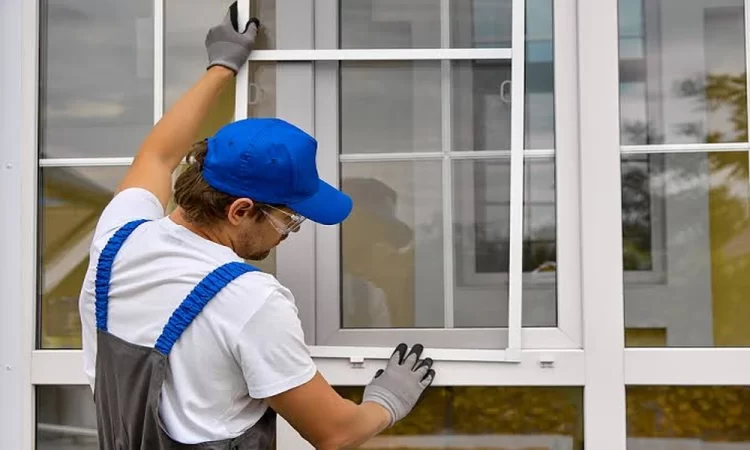
Step Five: Insist on a Quality Installation
The Best Window Can Still Be Drafty
ENERGY STAR cautions that even the best windows can be drafty if poorly installed. Its advice includes:
- Follow the manufacturer’s instructions. Certified products must include installation instructions, and some manufacturers void warranties if those instructions are not followed.
- Use trained professionals. Ask whether the installers are certified for your chosen product, since some warranties require it.
- Interview and check references. Talk to more than one contractor and ask for references.
Seal the Gaps
Hidden air leaks around windows, doors, and other openings can add up to a hole the size of an open window, according to the agency. Sealing gaps and insulating the space between the frame and the wall opening improves comfort and efficiency.
Older Homes and Lead Safety
If your house was built before 1978, it probably contains lead-based paint. ENERGY STAR notes that under EPA rules, contractors and landlords replacing a window must use lead-safe work practices and must give homeowners a brochure before starting. Ask any contractor how they handle this, and do not skip it if you are doing work yourself.
After the Windows Are In
Managing Condensation
New windows can still show condensation in cold weather. ENERGY STAR suggests insulating the space between the frame and rough opening, choosing window treatments that allow airflow, and managing indoor humidity by venting dryers and kitchen and bath fans outdoors and running fans for about 20 minutes after showers or cooking.
Keep Your Paperwork
Save the labels, receipts, warranty information, and installation records. They help if you need to make a warranty claim, apply for an incentive, or show a buyer when you sell.
Quick Reference Checklist
Before You Buy
- Look up your ENERGY STAR climate zone
- Decide which rooms and sides of the house matter most
- Gather at least three itemized quotes
- Check for utility rebates and current tax credit rules
During Installation
- Confirm the product matches what you ordered
- Make sure the crew follows manufacturer instructions
- Ask about lead-safe practices if the house is older
Afterward
- Inspect each window for smooth operation and a tight seal
- Check that trim, caulking, and cleanup are complete
- File your labels and warranties
Conclusion
Window replacement works best when you treat it as a process rather than a single purchase. Start with your climate zone, understand the ratings, choose the right glass for each side of the house, compare itemized quotes, and insist on a careful installation. Follow those five steps, and you will end up with windows that make your home more comfortable and more efficient for years to come.