
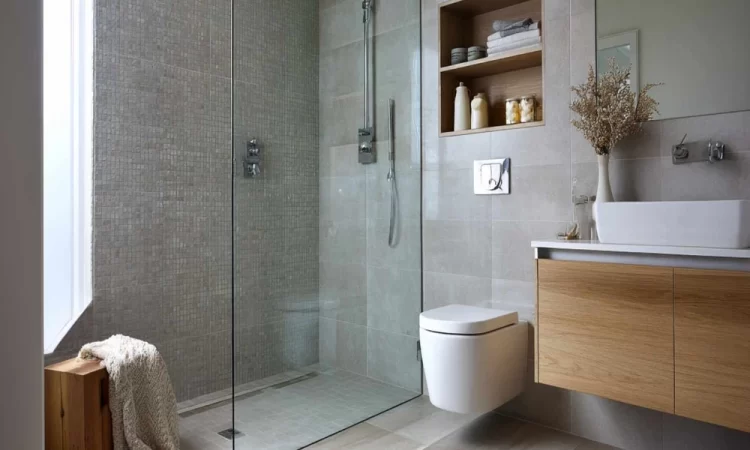
A bathroom makeover can be transformative, turning a purely functional space into a personal sanctuary. Among the choices that spark debate and define the look, few are as impactful as the decision between framed and frameless glass shower doors. This evolution from vinyl curtains to sleek glass has changed not only how bathrooms look, but also how they function and feel.
Origins of Shower Doors: From Curtains to Glass
Picture a mid-century bathroom. Vinyl curtains swayed with every draft, clinging inconveniently, and yellowing over time. Early bathroom enclosures, largely utilitarian, offered little in terms of aesthetics or user experience. Cleaning was a hassle, and water splashed everywhere.
Introduction of Framed Glass Shower Doors
The introduction of framed glass shower doors brought a sense of order and luxury, at least by the standards of the time. Aluminum or steel frames supported thinner sheets of glass, making the enclosure more rigid and less prone to leaks. This was the first taste many homeowners had of a spa-like bathing environment.
The Rise of Framed Glass Shower Doors
Framed shower doors quickly became the standard in both homes and hotels. Their design relied on visible metal edges that sealed the glass, providing structural integrity and keeping costs down.
Benefits and Drawbacks in Early Usage
Framed doors offered enhanced leak protection, a range of sizes, and relatively affordable installation. The downside? Frames collected soap scum and mildew, and over time, the metal could rust or corrode. Style was dictated by the bulkiness of the frame, often clashing with attempts at a minimalist bathroom look.
Popularity in Residential and Commercial Settings
Despite these drawbacks, framed shower doors dominated for decades because they were reliable and adaptable to almost any bathroom configuration.
Emergence of Frameless Glass Shower Doors
As design tastes shifted toward open, airy spaces, framed doors started to look dated. Advances in glass manufacturing, especially the mass production of thicker, tempered glass, paved the way for the frameless revolution.
Technological Advances Enabling Frameless Designs
Thicker 10mm tempered glass became feasible, providing the strength needed to ditch the heavy frames. Precision hardware and improved installation techniques allowed these doors to swing or slide smoothly while remaining stable.
Materials and Manufacturing Innovations
With minimal hardware and stronger glass, frameless doors ditched the need for bulky supports. The result? A seamless, transparent barrier that made bathrooms look bigger and more modern.
Initial Market Reception and Challenges
Early adopters loved the look but balked at the higher price point. Installers needed new skills, and homeowners wondered about durability and water leakage.
Comparing Framed and Frameless Shower Doors Over Time
Let’s break down the key differences as the two styles evolved.
| Feature | Framed Doors | Frameless Doors |
|———————|———————————|——————————-|
| Glass Thickness | 4-6mm (thinner, lighter) | 8-10mm (thicker, sturdier) |
| Visible Hardware | Prominent, full frame | Minimal, discrete |
| Cleaning/Maintenance| Prone to buildup in frames | Easier to clean, less buildup |
| Water Sealing | Superior, gasketed edges | Relies on precision fit |
| Style Range | Traditional, limited finishes | Modern, wide hardware options |
| Cost | Lower upfront | Higher initial investment |
Aesthetic Evolution and Style Trends
Minimalism, light, and openness dominate modern bathroom trends, making frameless options more desirable. However, bold hardware finishes (matte black, brushed gold, or chrome) allow framed doors to keep pace with changing tastes.
Durability and Maintenance Considerations
Frameless doors, with fewer crevices, resist mildew and soap scum, making cleaning a breeze. However, a poorly installed frameless door can be prone to leaks around the edges.
Installation Techniques and Flexibility
Framed doors are easy to retrofit into older bathrooms, thanks to their forgiving installation requirements. Frameless doors demand precise measurements and professional installation, but the result is a tailored fit that maximizes visual space.
Modern Innovations and Customization Options
Today’s homeowners expect more than just a slab of glass.
Hardware Finishes and Their Impact on Bathroom Design
The choice of hardware, polished chrome for a timeless feel, matte black for drama, or brushed gold for understated luxury, lets buyers coordinate with faucets, lighting, and other fixtures.
Adjustable Sizes and Configurations
Manufacturers offer adjustable widths and a range of setups: alcove, corner, walk-in, and more. In Montreal, for example, glass shower doors are now available in nearly 90 models, with width options from 30 to 72 inches and side panels to match every layout.
Integration with Other Bathroom Fixtures
Shower doors are now designed to harmonize with vanity finishes, premium flooring, and even smart fixtures. Some models offer soft-close hinges, anti-fog coatings, and exposed roller hardware for a modern industrial twist.
Current Consumer Preferences and Market Trends
Homeowners are investing more in their bathrooms, prioritizing durability, customization, and ease of maintenance. Frameless doors dominate high-end remodels, while framed options still offer value for budget-conscious upgrades.
Value and Pricing Dynamics
While frameless doors command higher prices, the long-term benefits, easier maintenance, fewer repairs, and improved resale value, often justify the cost.
Regional Preferences: Case Study of Montreal Market
Montreal buyers, influenced by European design sensibilities, lean toward frameless models in brushed gold or matte black. Showrooms in the city report steady growth in demand for tailored installations and in-person consultations.
Sustainability and Safety Standards
Both door types now employ tempered glass for safety, and many brands are adopting eco-friendly manufacturing processes.
Future Directions in Shower Door Design
What can homeowners expect next? Smart glass, capable of switching from clear to frosted at the touch of a button, could soon be standard in luxury builds. Recycled glass panels and low-impact manufacturing are also gaining traction as environmental awareness grows.
Making the Right Choice Today
Choosing between framed and frameless comes down to your space, needs, and taste. Consider the overall style of your bathroom, your cleaning habits, and your budget. Frameless doors offer a modern edge and easier maintenance, while framed styles provide reliable sealing and value. For those unsure where to begin, expert advice and in-person showroom visits can make all the difference in creating your perfect oasis.