

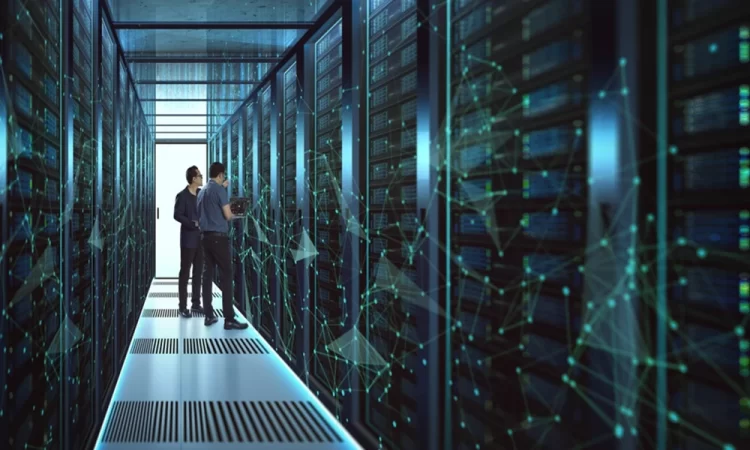
When every millisecond matters and downtime costs climb into the millions, the technical standards that define a data center’s reliability can make or break an enterprise. In this landscape, understanding the differences between Class 2 and Class 3 (more accurately known as Tier II and Tier III) standards is not just the domain of engineers. It becomes a strategic business decision.
Defining Class 2 and Class 3 Data Center Standards
Overview of Uptime Institute Tier Classifications
The Uptime Institute’s tier system is the global benchmark for measuring data center performance, reliability, and redundancy. While the terms “Class 2” and “Class 3” emerge in certain contexts, most professionals refer to them as “Tier II” and “Tier III”. These classifications set minimum standards for infrastructure robustness, with each higher tier introducing more redundancy and fault tolerance.
Key Differences Between Class 2 and Class 3 Standards
At their core, Tier II (Class 2) and Tier III (Class 3) data centers target different levels of uptime and risk tolerance. Tier II provides basic protection against disruptions with some redundancy, while Tier III facilities focus on concurrent maintainability, allowing infrastructure repairs without taking critical systems offline.
Infrastructure Requirements and Redundancy
Power Systems and Backup Generators
In a Tier II data center, backup generators are present but may not cover every system or pathway. If a single generator fails, some parts of the facility may go dark. Tier III takes this further; every critical component has a redundant twin. If a generator, UPS, or power line goes offline, service continues unimpeded.
Cooling and HVAC Redundancy
Redundancy is not just about power. Cooling systems in Tier II centers typically include one backup unit per system, but maintenance may still require brief shutdowns. By contrast, Tier III facilities design their HVAC with “N+1” redundancy. This means that even if one component fails or needs maintenance, cooling continues seamlessly.
Network Connectivity and Path Diversity
Tier III standards prioritize multiple independent network paths, reducing the risk of a single point of failure within the data network. Tier II centers might have dual connections, but lack the full path independence enjoyed by Tier III.
Operational Sustainability and Maintenance Protocols
Fault Tolerance and Concurrent Maintainability
The major leap from Tier II to Tier III comes down to maintenance flexibility. Tier II data centers must sometimes go offline for essential work. Tier III facilities are built for concurrent maintainability. Any single system, power, cooling, or connectivity, can be serviced with no impact on uptime.
Impact on Uptime and Service Availability
Historically, Tier II centers are designed for 99.741% uptime (about 22 hours of downtime per year), while Tier III aims for 99.982% (less than 1.6 hours per year). This difference, while seemingly small, can be mission-critical for banking, healthcare, or global e-commerce platforms.
Case Study: Montréal Data Center by Stendel + Reich Architecture
Project Scope and Design Objectives
A real-world example of these principles comes from Montréal, where a 109,000-square-foot data center was crafted by the architecte centres de traitement de données Stendel + Reich. Designed to span both Class 2 and Class 3 criteria, the project prioritized modularity, resilience, and long-term scalability over a 20-year horizon.
Modular Design Approach for Scalability
Rather than betting everything on a single, fixed capacity, the design leverages modular construction. This allows the center to scale up or adapt to emerging technologies without massive overhauls, a forward-thinking move in a rapidly evolving industry.
Power Resilience: 48-Hour Generator Autonomy
Power resilience sits at the heart of the center’s strategy. A complex generator system guarantees up to 48 hours of autonomy without recharging. This level of preparedness addresses the most stringent Class 3 expectations and is a clear differentiator in risk management.
Comparing Real-World Implementation of Class 2 vs. Class 3
Architectural and Engineering Challenges
Moving from Class 2 to Class 3 is more than adding equipment; it requires a total rethinking of system layouts and workflows. Engineers must eliminate all single points of failure and design for real-time redundancy, often within existing footprints or tight urban spaces.
Cost Implications and Budget Considerations
Upgrading to Class 3 standards entails higher initial investment, but the operational cost benefits accrue over time. Reduced outages translate to fewer SLA penalties, lower revenue loss, and a reputation for reliability.
| Tier | Expected Uptime | Downtime per Year | Relative Construction Cost |
|——|—————-|——————-|—————————|
| Class 2 (Tier II) | 99.741% | ~22 hours | Baseline |
| Class 3 (Tier III) | 99.982% | ~1.6 hours | 1.5x to 2x Baseline |
Long-Term Operational Benefits
Organizations often find that a Class 3 facility, while costlier upfront, pays dividends in long-term flexibility and customer trust. Service interruptions are minimized, maintenance cycles are less disruptive, and business continuity planning becomes more robust.
Future Trends in Data Center Standards
Emerging Technologies Influencing Tier Classifications
Edge computing, modular data centers, and AI-driven infrastructure management are pushing the boundaries of what is possible at every tier. Expect the definitions of Class 2 and Class 3 to evolve as these innovations become mainstream.
The Role of Sustainability and Energy Efficiency
Energy efficiency and sustainability are no longer optional. New standards increasingly reward facilities that minimize waste heat, use renewable sources, and embody green architecture, trends well represented by the modular, scalable approach seen in Montréal.
Summary: Choosing Between Class 2 and Class 3 for Modern Data Centers
The decision between Class 2 and Class 3 standards comes down to risk appetite, budget, and business uptime requirements. For organizations where every second counts, the resilience and flexibility of Class 3 are hard to match. For others, a carefully engineered Class 2 facility may offer the right balance of cost and reliability. As technology evolves, the best data centers will be those designed with adaptability and sustainability at their core.