Category

HVAC Contractor

Category

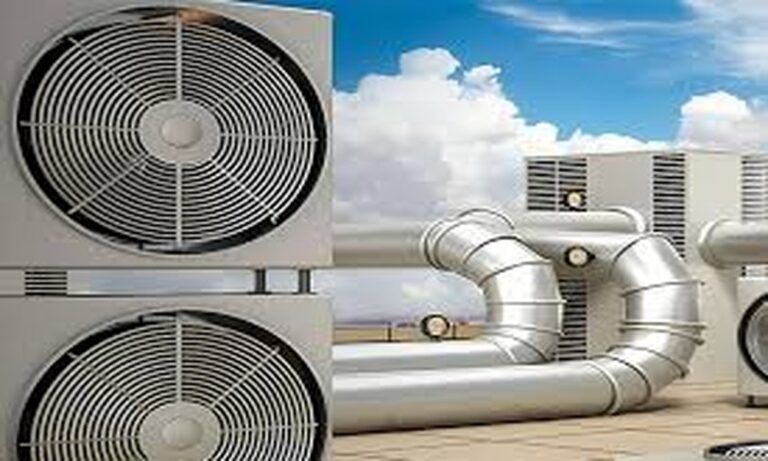
If you own a modern HVAC system in Los Angeles, chances are it is more like a computer than a traditional heating and cooling unit.

Smart thermostats, communicating control boards, and variable speed motors all rely on software to work together. But what happens when that software does not match? This is where a firmware mismatch can quietly turn a simple HVAC repair into a frustrating experience.

Homeowners often assume HVAC problems are mechanical. A broken motor, a bad sensor, or worn wiring seem like the obvious culprits. But in newer systems, software compatibility plays a major role in how well a repair actually works.

What Is Firmware And Why Does It Matter

Firmware is the internal software that tells each HVAC component how to communicate and operate. Your thermostat, indoor unit, outdoor unit, and control board all have firmware versions that must speak the same language.

When they do not match, the system may still power on, but it will not perform the way it should. In many Los Angeles homes with newer builds or system upgrades, this mismatch is becoming more common.

Why Repairs Fail Even When Parts Are New

You might ask, why would a brand new part cause problems? The answer lies in updated software.

False Error Codes Appear

Firmware mismatch can trigger communication errors even when wiring and sensors are fine. This can lead to confusing alerts that send technicians searching for mechanical issues that do not exist.

Efficiency Drops Without Warning

Many high-efficiency systems rely on software coordination to adjust airflow and output. When firmware does not align, the system may fall back to basic operation. This removes the comfort and energy savings homeowners expect, especially during hot Los Angeles summers.

New Control Boards Refuse To Start

Replacement boards often arrive with the latest firmware. If the thermostat is older, the system may fail to initialize. This can lead to additional repairs that were never part of the original plan.

Diagnostics Become Limited

Modern HVAC diagnostics depend on software communication. A mismatch can prevent technicians from accessing live performance data. That makes troubleshooting slower and less accurate.

Adeedo Drains, Plumbing, Heating, and Air Takes A Smarter Repair Approach

At Adeedo Drains, Plumbing, Heating, and Air, we understand that modern HVAC repair is not just mechanical. Our Los Angeles technicians are trained to evaluate both hardware and software before completing a repair.

That means fewer callbacks, better system performance, and repairs that last. As a local company serving Southern California for decades, we know how important reliable comfort is for growing neighborhoods and busy households.

Call Adeedo Drains, Plumbing, Heating, and Air today for expert HVAC repairs that keep your system running smoothly across Los Angeles and surrounding communities.
When your furnace suddenly stops working or starts making strange noises, a professional inspection becomes more than a luxury—it becomes a necessity. Heating systems are complex and often fail at the most inconvenient times, especially during the colder months. If you’re scheduling a service for furnace repair in Dayton, knowing what to expect during a professional visit can help you feel more prepared and confident throughout the process.

Initial System Evaluation

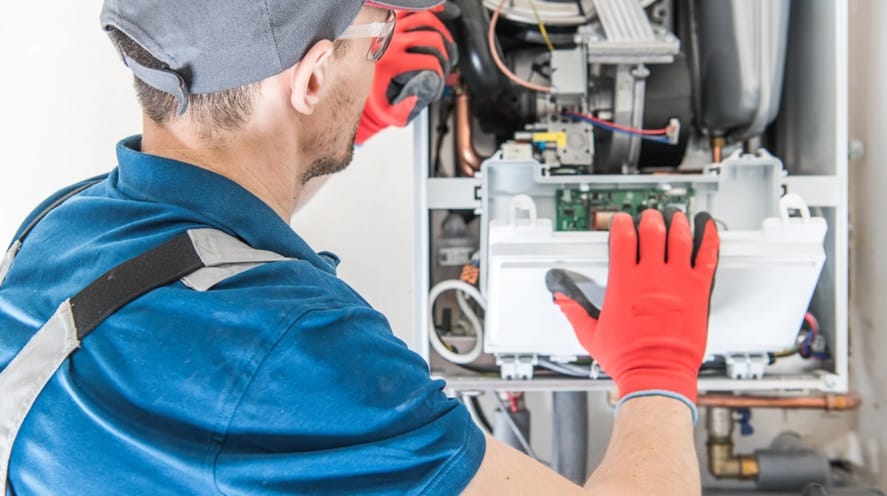
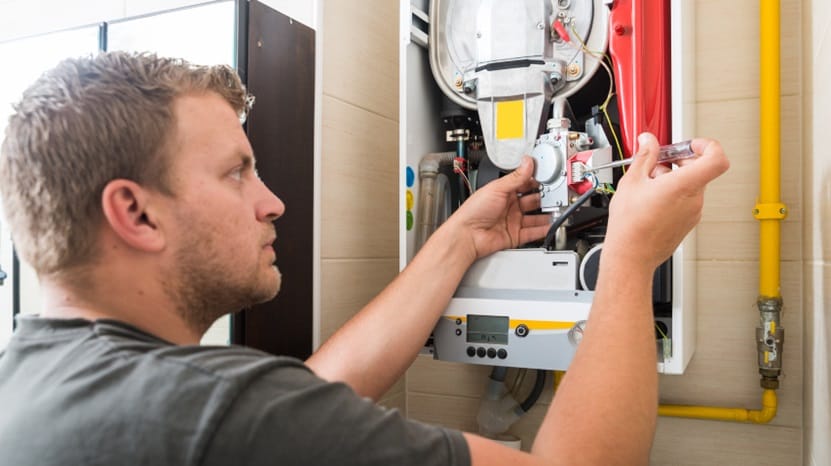
The service typically begins with a thorough assessment of your entire heating system. The technician will inspect your furnace, thermostat, filters, vents, and connections to identify any visible signs of damage or wear. This evaluation helps pinpoint the source of the issue and determines whether it’s mechanical, electrical, or airflow-related. Technicians use diagnostic tools to read error codes, test voltage, and check the ignition system. If your furnace has shut down or is underperforming, these early steps are essential to ruling out multiple causes and finding a targeted solution.

Clear Communication of Findings

Once the initial evaluation is complete, the technician will explain their findings in a straightforward manner. Whether it’s a malfunctioning blower motor, a cracked heat exchanger, or a clogged air filter, they will walk you through the problem and offer options for resolving it. Customers benefit from understanding the issue, the repair options, and the associated costs before work begins. Transparency at this stage allows for informed decisions without the pressure of unexpected surprises. Furnace problems and how to fix them often involve addressing issues like dirty filters, malfunctioning thermostats, pilot light failures, or blower motor problems, many of which require professional diagnosis and repair.

On-the-Spot Repairs When Possible

In many cases, minor to moderate furnace issues can be repaired during the same visit. Technicians carry a range of common replacement parts such as igniters, flame sensors, and capacitors to minimize downtime and restore comfort to your home quickly. If the repair requires specialty parts or significant system modifications, a follow-up appointment may be scheduled. In either case, you’ll receive a detailed breakdown of the work performed and any additional steps needed to complete the repair.

System Testing and Safety Checks

Once the repair is completed, the technician will restart your system and monitor its performance. They’ll confirm that airflow, temperature control, and cycling are operating as intended. Most importantly, they’ll perform safety checks to detect any carbon monoxide leaks, improper venting, or gas pressure issues. This final phase ensures your home remains both warm and safe after the repair.

Preventive Tips and Recommendations

Before leaving, professionals often offer guidance on how to maintain your system between service visits. This includes tips on regularly changing filters, scheduling seasonal tune-ups, and adjusting thermostat settings for optimal efficiency. Taking preventive measures to avoid costly furnace repairs can significantly extend the lifespan of your unit and reduce the likelihood of future breakdowns.

Conclusion

A furnace repair visit is more than a quick fix—it’s a comprehensive evaluation of your heating system’s health and performance. From diagnosing the issue to restoring functionality and advising on future maintenance, every step contributes to the comfort and safety of your home. When you schedule furnace repair, you’re investing in professional care that keeps your system running reliably when it matters most.

A properly functioning furnace becomes crucial to maintaining comfort and safety in your home as the temperature drops. However, furnaces can experience several issues, especially in cold climates. Addressing these problems proactively with furnace maintenance at Rosemount can save time, money, and stress. This article explores common furnace problems and practical prevention tips.

Common Furnace Problems in Cold Climates

Ignition or Pilot Light Issues

A furnace that fails to ignite correctly often leads to inadequate heating. Common causes include dirty burners, faulty ignition systems, or problems with the thermocouple. In gas furnaces, this issue can result in incomplete combustion, reducing energy efficiency.

Dirty or Clogged Filters

Filters are critical for maintaining airflow and ensuring the system runs efficiently. When filters are dirty or clogged, they strain the furnace, leading to reduced efficiency and even overheating.

Frequent Cycling

Frequent on-and-off cycling can signal an issue with the thermostat, airflow, or overall furnace capacity. This not only wastes energy but can also cause undue wear on the system components.

Blower Motor Problems

The blower motor is essential for distributing warm air throughout your home. If it malfunctions due to wear, dirt, or lubrication issues, you may notice inconsistent heating or strange noises.

Cracked Heat Exchanger

In colder regions, furnaces often operate continuously for extended periods. Over time, this stress can cause cracks in the heat exchanger, leading to carbon monoxide leaks—a serious health and safety hazard.

How to Prevent Furnace Issues

Schedule Regular Maintenance

The best way to avoid furnace breakdowns is to invest in routine inspections and tune-ups. Professional furnace maintenance Rosemount services can identify potential issues early and ensure your system runs smoothly during winter.

Change Filters Regularly

Replacing filters every 1-3 months, depending on usage, can significantly improve airflow and system efficiency. Clean filters help prevent dust buildup and overheating.

Seal and Insulate Your Home

A well-insulated home reduces the strain on your furnace by maintaining indoor temperatures. Check for drafts around windows, doors, and vents, and use caulking or weatherstripping to seal gaps.

Monitor the Thermostat

Ensure your thermostat is set correctly and functioning properly. Smart thermostats can optimize energy use and reduce wear on your furnace by avoiding unnecessary cycling.

Address Repairs Promptly

If you notice unusual sounds, uneven heating, or increased energy bills, contact a professional immediately. Delaying repairs can exacerbate problems and lead to costly breakdowns.

Additional Tips for Prolonging Furnace Life

  • Keep the Area Around the Furnace Clear

Maintain at least three feet of clearance around your furnace to ensure proper ventilation and prevent accidental damage.

  • Avoid Overworking the System

On particularly cold days, layering clothing and using space heaters can reduce reliance on your furnace, prolonging its life span.

  • Test Carbon Monoxide Detectors

Since cracked heat exchangers can lead to carbon monoxide leaks, regularly test your detectors to ensure your family’s safety.

Also read: The Ultimate Guide to Choosing the Right Furnace for Your Home

Conclusion

Living in cold climates demands a reliable furnace to ensure comfort and safety. By addressing potential issues early and following preventative measures like regular furnace maintenance Rosemount; you can keep your system running all winter efficiently. Investing in proper care and timely repairs will extend the life of your furnace and keep your home warm and secure.

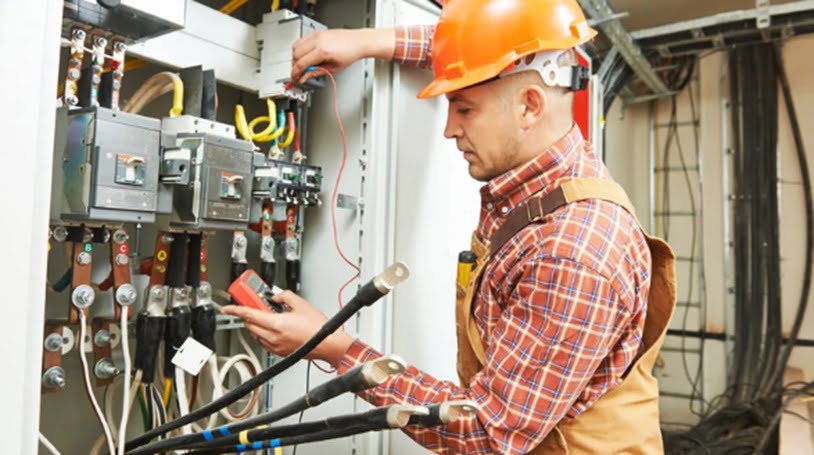
When it comes to electrical work in your home or business, the importance of hiring a professional cannot be overstated. Many homeowners in Ooltewah may consider DIY projects to save money, but choosing a licensed and insured electrician in Ooltewah is crucial to ensure safety and quality. A licensed electrician brings expertise and peace of mind that the job will be done correctly and safely.

Ensuring Safety and Compliance

One of the primary reasons to hire a licensed and insured electrician is safety. Electricians undergo comprehensive training and certification processes, ensuring they understand the complexities of electrical systems. This expertise minimizes the risk of electrical fires, shocks, and other hazards. Moreover, licensed electricians are familiar with local codes and regulations, ensuring that all work complies with necessary standards.

Protecting Your Investment

Electrical work is a significant investment, and hiring a licensed professional protects this investment. A qualified electrician stands behind their work, providing a level of assurance and accountability. If any issues arise post-installation, a licensed electrician will have the means to address and rectify problems efficiently.

Insurance Coverage

Insurance is another critical factor when selecting an electrician. Hiring an insured professional means that any accidents or damages that occur during the job are covered. This protects the homeowner from potential liabilities and unforeseen expenses. Understanding how to identify electrical problems in your home can be a useful starting point for homeowners considering electrical work.

Expertise and Experience

Licensed electricians bring a wealth of experience to any project. Their expertise ensures that even the most complex issues are addressed with confidence and reliability. Whether it’s a simple repair or a complete home rewiring, their skills lead to more efficient and effective solutions.

Customer Satisfaction

Hiring a licensed and insured electrician often leads to higher levels of customer satisfaction. Professionals in this field take pride in their work and strive to exceed customer expectations. They provide detailed estimates, communicate effectively, and complete projects on time, all contributing to a smoother overall experience.

Long-term Savings

While it might seem cost-effective to tackle electrical projects alone or hire unlicensed workers, the risks often lead to additional expenses down the line. Mistakes made by inexperienced individuals can result in costly repairs or replacements. On the other hand, a licensed electrician can provide solutions that are both efficient and long-lasting, ultimately saving homeowners money.

Making the Right Choice

Selecting the right electrician can feel daunting, but there are plenty of resources to help homeowners navigate the process. Understanding the key factors in choosing an electrician offers valuable guidance, ensuring you make a well-informed decision.

Conclusion

Hiring a licensed and insured electrician is essential for ensuring the safety, compliance, and long-term value of your home or business. Their expertise minimizes the risks associated with electrical work, while insurance coverage provides protection against accidents and liabilities. Although it may be tempting to cut costs by attempting DIY projects or hiring unlicensed workers, investing in a qualified electrician ultimately saves money by delivering efficient, code-compliant, and long-lasting solutions. By choosing a professional, you protect your investment, ensure peace of mind, and increase the satisfaction and safety of your property.

Frequently Asked Questions

1.     Why is it important for an electrician to be both licensed and insured?

A licensed and insured electrician is trained to handle electrical systems safely and effectively. Insurance offers protection against potential liabilities, ensuring peace of mind for the homeowner.

2.     How does hiring a licensed electrician save money in the long run?

Hiring a licensed professional prevents costly mistakes and ensures work is done correctly the first time. This reduces the likelihood of future repairs or safety issues that can arise from improper installations.

3.     Can hiring a licensed electrician improve property value?

Yes, professionally completed electrical work can contribute to a home’s overall value by ensuring safety and compliance with local codes, making it more attractive to potential buyers.

When faced with a malfunctioning air conditioning unit, homeowners often grapple with the decision of whether to opt for air conditioning repair or consider a complete replacement. This choice can be daunting, but understanding the factors that influence this decision can provide clarity. This article will explore the differences between air conditioning repair and replacement and the factors to consider when making this decision.

Air Conditioning Repair

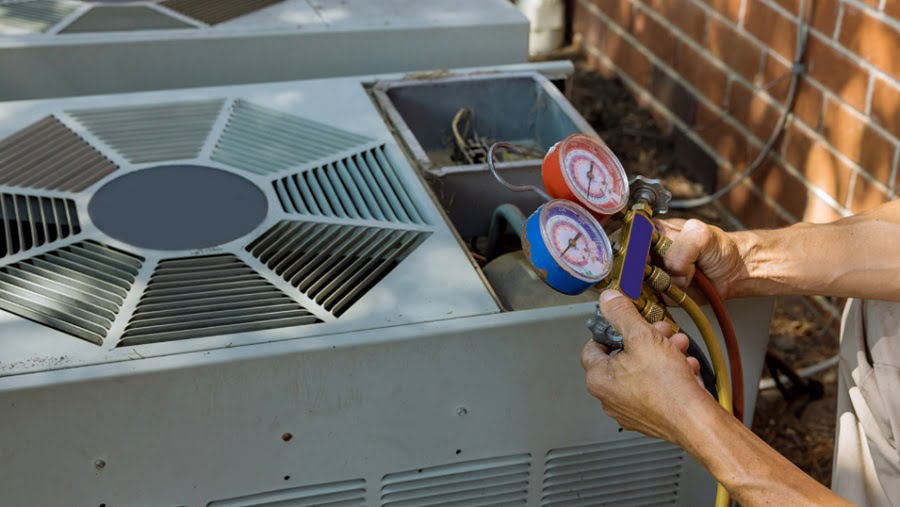
Choosing to repair an air conditioning unit can be a cost-effective solution, especially if the issue is minor and the system is relatively new. Common problems that may require repair include refrigerant leaks, electrical failures, or sensor problems. While considering air conditioning repair in Manassas, VA, it’s important to consult with a professional to diagnose the problem accurately.

Benefits of Repair

Repairing an air conditioning system often involves lower immediate costs compared to a full replacement. Additionally, if the unit has been well-maintained and is not yet at the end of its life expectancy, repairs can efficiently restore comfort. Quick repairs can also be more convenient, causing minimal disruption to the household.

When to Opt for Repair

You may consider a professional for repairs if the air conditioning unit is less than ten years old and the issue appears to be a one-time occurrence. Furthermore, if the cost of the repair is significantly less than that of a new unit and the existing system is energy-efficient, repairing it might be the most practical solution.

Air Conditioning Replacement

On the other hand, opting for a complete replacement can be a more beneficial long-term investment, particularly if the current system is old or has required multiple repairs. New air conditioning units often come with improved energy efficiency, which can result in significant utility savings over time.

Benefits of Replacement

New air conditioning systems feature advanced technologies that enhance performance and reduce energy consumption. They also come with updated warranties, which can provide peace of mind and protection against future repair costs. Moreover, modern units often contribute to a lower environmental impact.

When to Consider Replacement

Replacement should be considered if the current air conditioning unit is over ten to fifteen years old, has a history of frequent breakdowns, or if the cost of repairs is approaching or exceeding half the price of a new system. Additionally, if there are significant advancements in energy efficiency that the old system lacks, upgrading to a new unit can be advantageous.

Conclusion

Determining whether to repair or replace your air conditioning unit involves assessing various factors, such as the age of the system, the cost of repairs versus replacement, and the potential for energy savings. By understanding why your air conditioner might be failing to start and considering whether repair or replacement is the most practical decision, homeowners can ensure their home stays comfortable and energy-efficient during the hot summer months. Consult with a professional HVAC technician to make an informed decision that best fits your needs and budget.

Indoor air quality plays a crucial role in ensuring a healthy living environment for you and your family. Poor indoor air quality can lead to various health issues, including allergies, asthma, and other respiratory problems. If you’re looking to enhance indoor air quality in Port Charlotte, seeking professional help and implementing effective strategies can make a significant difference. Here are some practical tips and strategies to improve indoor air quality in your home.

1.    Regular Cleaning and Dusting

Keep Your Home Clean

Regular cleaning is essential for maintaining good indoor air quality. Dust, pet dander, pollen, and other allergens can accumulate on surfaces and become airborne. Dusting surfaces, vacuuming carpets, and mopping floors frequently can help reduce these pollutants. Use a vacuum cleaner with a HEPA filter to effectively capture fine particles and prevent them from recirculating in the air.

Wash Bedding and Curtains

Bedding, curtains, and upholstery can harbor dust mites and allergens. Wash these items regularly in hot water to eliminate dust mites and other contaminants. Using dust mite-proof covers on mattresses and pillows can also help reduce allergens.

2.    Proper Ventilation

Use Exhaust Fans

Proper ventilation is crucial for reducing indoor air pollutants. Use exhaust fans in kitchens and bathrooms to remove moisture, cooking odors, and pollutants. Ensure that these fans vent to the outside rather than recirculating the air indoors.

Open Windows

When weather permits, open windows to allow fresh air to circulate through your home. This helps dilute indoor air pollutants and brings in cleaner outdoor air. However, be mindful of outdoor air quality, especially during high pollen seasons or when air pollution levels are high.

3.    Control Humidity Levels

Use Dehumidifiers

High humidity levels can promote mold growth and dust mites, which can worsen indoor air quality. Use dehumidifiers to maintain indoor humidity levels between 30% and 50%. This helps prevent mold growth and reduces the concentration of allergens.

Fix Leaks

Leaky roofs, pipes, and faucets can contribute to high humidity and mold growth. Regularly inspect your home for leaks and repair them promptly to prevent moisture buildup and maintain a dry indoor environment.

4.    Air Purifiers and Filters

Install Air Purifiers

Air purifiers can effectively remove airborne particles, allergens, and pollutants from your indoor air. Choose air purifiers with HEPA filters, which are capable of capturing particles as small as 0.3 microns. Place air purifiers in commonly used rooms for optimal results.

Change HVAC Filters

Regularly changing the filters in your HVAC system is crucial for maintaining good indoor air quality. Dirty filters can become clogged and reduce airflow, causing contaminants to circulate throughout your home. Check and replace HVAC filters every three months or as recommended by the manufacturer.

5.    Avoid Indoor Pollutants

Use Low-VOC Products

Volatile organic compounds (VOCs) are chemicals that can off-gas from paints, cleaning products, and building materials. Choose low-VOC or zero-VOC products to reduce indoor air pollution. Ensure proper ventilation when using these products to minimize exposure.

Ban Smoking Indoors

Smoking indoors is a significant source of indoor air pollution. Implement a strict no-smoking policy inside your home to protect the health of your family and maintain better air quality. Encourage smokers to smoke outside and away from windows and doors.

6.    Incorporate Houseplants

Houseplants can help improve indoor air quality by absorbing carbon dioxide and releasing oxygen. Some plants also have the ability to remove certain pollutants from the air. Popular air-purifying plants include spider plants, peace lilies, and snake plants. However, be mindful of any plant allergies and ensure proper care to prevent mold growth in the soil.

Conclusion

Improving indoor air quality is essential for creating a healthy and comfortable living environment. By implementing these practical tips and strategies, you can significantly reduce indoor air pollutants and enhance the overall air quality in your home. Regular cleaning, proper ventilation, controlling humidity levels, using air purifiers, avoiding indoor pollutants, and incorporating houseplants are all effective ways to achieve better indoor air quality. Prioritize these steps to ensure a healthier home for you and your family.

In the heart of San Antonio, where the climate can oscillate from scorching summers to chilly winters, the role of HVAC services in maintaining a comfortable living space cannot be overstated. Among the myriad options available to homeowners, Comfort Tech San Antonio services stand out as a prominent player, offering a range of services aimed at enhancing overall indoor comfort. This article will delve into the key aspects of their services, focusing on AC repairs, AC installations, HVAC maintenance, and air duct cleaning.

AC Repairs: Responsive Solutions for Cooling Woes

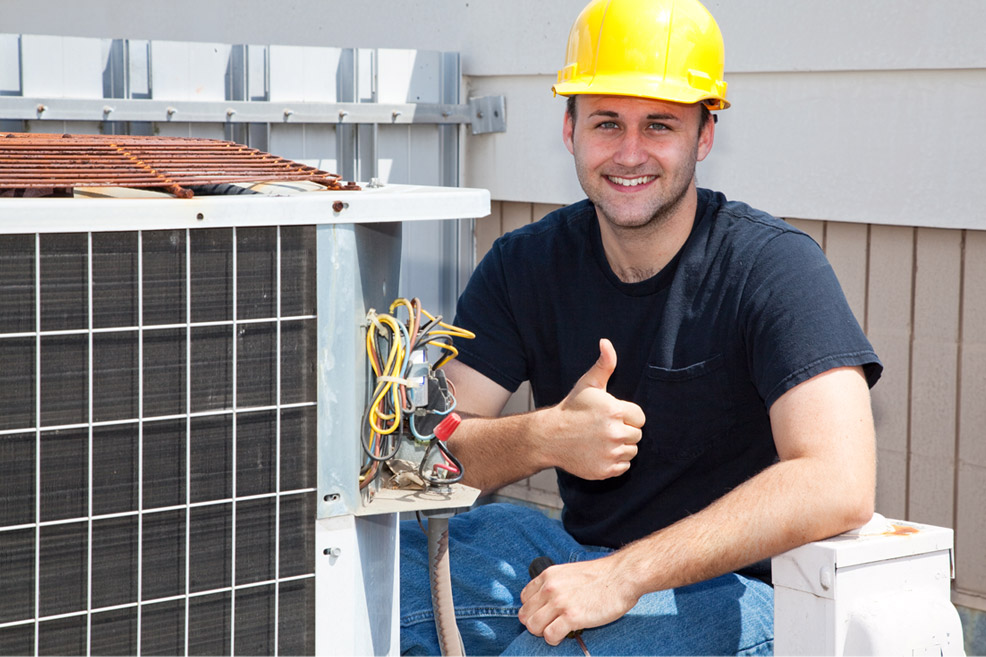
When faced with the relentless Texas heat, a malfunctioning air conditioning system can quickly turn a home into an uncomfortable haven. Their AC repair services are designed to address these cooling emergencies with precision and efficiency. Their team of skilled technicians possesses the expertise to diagnose and rectify a spectrum of AC issues, ranging from minor glitches to more complex problems like refrigerant leaks or compressor malfunctions.

These repair services extend beyond mere technical proficiency. These professionals understand the urgency of restoring cool comfort to homes, particularly during scorching summer days. By providing responsive solutions, they aim not only to fix immediate issues but also to ensure homeowners can enjoy a consistently cooled indoor environment.

AC Installations: Tailored Solutions for Peak Performance

The installation of a new air conditioning unit is a strategic endeavor that goes beyond a simple plug-and-play operation. Their AC installation services are characterized by a meticulous approach aimed at optimizing performance and energy efficiency. The process begins with a comprehensive assessment of the home’s size, layout, and insulation, allowing technicians to recommend the most suitable AC unit.

Precision is paramount during installations to ensure peak performance and longevity. Their commitment to tailored solutions ensures that each installation aligns with the unique needs of the homeowner. By combining technical expertise with a personalized touch, they aim to provide not just a cooling system but an optimized solution that contributes to long-term comfort.

HVAC Maintenance: Preserving System Efficiency

Proper maintenance is crucial to a well-functioning HVAC system. These professionals emphasize the importance of regular HVAC maintenance to preserve efficiency and prolong the lifespan of heating, ventilation, and air conditioning systems. Their maintenance services encompass a thorough inspection, cleaning, and tuning of various components, addressing potential issues before they escalate.

This proactive approach not only contributes to energy efficiency but also helps homeowners avoid unexpected breakdowns and costly repairs. Their commitment to preserving the longevity of HVAC systems reflects a broader understanding of the investment homeowners make in their comfort and well-being.

Air Duct Cleaning: Enhancing Indoor Air Quality

Air ducts play a vital role in circulating conditioned air throughout a home. Over time, however, they can accumulate dust, allergens, and even mold, compromising indoor air quality. The air duct cleaning services of these providers are designed to tackle this issue comprehensively.

Utilizing advanced equipment, their technicians remove accumulated debris from the ductwork, ensuring that residents breathe fresh, clean air. This service not only contributes to a healthier living environment by reducing allergens but also enhances the efficiency of HVAC systems by promoting unrestricted airflow. Their dedication to indoor air quality goes hand in hand with their overall mission of providing holistic comfort solutions.

Conclusion: Elevating Home Comfort with Expertise

In the realm of HVAC services, Comfort Tech San Antonio services stands as a reliable partner in the pursuit of optimal indoor comfort. Their services, spanning AC repairs, installations, HVAC maintenance, and air duct cleaning, reflect a commitment to technical excellence, responsiveness, and a personalized approach. As homeowners grapple with the challenges of maintaining comfort in the diverse climate of San Antonio, These providers emerge as knowledgeable allies, offering not just services but a pathway to enhanced well-being within the confines of home.

As winter approaches and temperatures start to drop, it is essential to understand the impact cold weather has on your HVAC system. With the right knowledge, homeowners can ensure their system remains efficient and functional throughout the season. In this article, we’ll explore the effects of winter weather on HVAC systems and provide some tips on how to maintain its performance.

Impact of Low Temperatures on HVAC Systems

Winter weather strains your heating, ventilation, and air conditioning (HVAC) system, as it has to work harder to maintain indoor comfort levels. One potential issue caused by low temperatures is the formation of ice on external components. When outdoor units get covered in ice or snow, it can obstruct airflow, which could lead to less efficiency and potential damage to the system.

Another issue that winter can cause is increased energy consumption. When temperatures drop, your system will need to work harder to hold a comfortable indoor environment, which can lead to higher energy bills.

Lastly, winter weather can also lead to wear and tear on your HVAC system. The cold weather can cause components to contract, which may stress parts and increase the risk of system failure.

Ensuring Efficient Operation During Winter Months

Proper HVAC maintenance is crucial for the efficient operation of your system during the winter months. Here are some tips to keep your HVAC in peak condition:

  1. Schedule regular inspections and maintenance: It is advisable to inspect your system at least twice a year, preferably before the onset of winter and the cooling season. So, it is best to hire a professional for HVAC maintenance in Elmhurst who can clean and inspect your system for any potential issues. Regular maintenance ensures your HVAC system will run efficiently and catch any potential issues early.
  2. Replace air filters: Air filters should be replaced at least once every three months, but it is recommended to do so more frequently during the winter months when the system is working harder. Dirty filters can obstruct airflow and reduce efficiency.
  3. Insulate your home: To reduce the demand on your HVAC system during winter, ensure your home is well insulated. By sealing drafts and improving insulation, you can reduce heat loss and help your system work more efficiently.
  4. Install a programmable thermostat: Setting your thermostat to a lower temperature during the night or when you are away can reduce energy consumption and help your system run more efficiently. Investing in a programmable thermostat permits you to adjust temperature settings automatically, making it easier to maintain a comfortable indoor environment during winter.
  5. Choose the right HVAC system for your home: When considering an upgrade or replacement, it’s essential to select an HVAC system that will meet the needs of your home during both cold and warm months. Here’s a helpful guide on how to choose an efficient HVAC system for a multifamily home.

Winter weather can be harsh on HVAC systems, so it’s imperative to stay on top of maintenance and ensure your system is running smoothly. By following these tips and seeking regular HVAC maintenance, you can avoid common issues and keep your home comfortable throughout the season. Lastly, recognizing the signs your furnace is failing and addressing them promptly can save you from costly repairs or replacements. Stay proactive, and your HVAC system will continue to operate efficiently for years.