
When your furnace suddenly stops working or starts making strange noises, a professional inspection becomes more than a luxury—it becomes a necessity. Heating systems are complex and often fail at the most inconvenient times, especially during the colder months. If you’re scheduling a service for furnace repair in Dayton, knowing what to expect during a professional visit can help you feel more prepared and confident throughout the process.
Initial System Evaluation
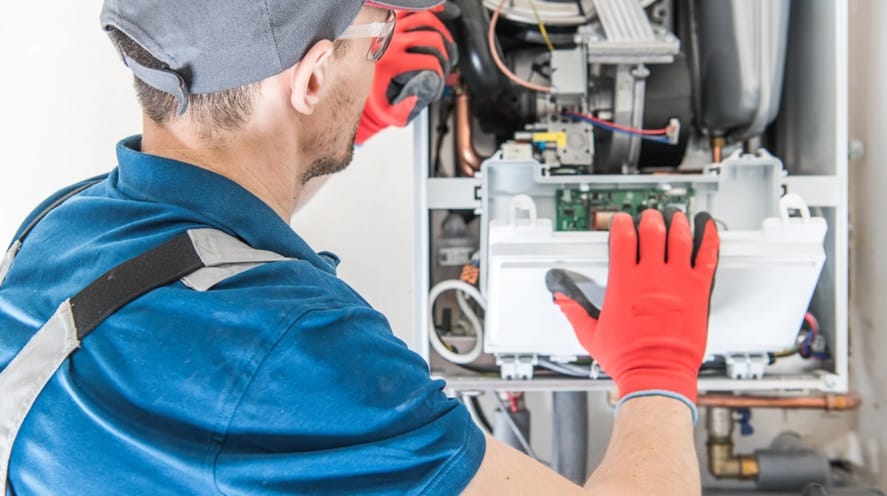
The service typically begins with a thorough assessment of your entire heating system. The technician will inspect your furnace, thermostat, filters, vents, and connections to identify any visible signs of damage or wear. This evaluation helps pinpoint the source of the issue and determines whether it’s mechanical, electrical, or airflow-related. Technicians use diagnostic tools to read error codes, test voltage, and check the ignition system. If your furnace has shut down or is underperforming, these early steps are essential to ruling out multiple causes and finding a targeted solution.
Clear Communication of Findings
Once the initial evaluation is complete, the technician will explain their findings in a straightforward manner. Whether it’s a malfunctioning blower motor, a cracked heat exchanger, or a clogged air filter, they will walk you through the problem and offer options for resolving it. Customers benefit from understanding the issue, the repair options, and the associated costs before work begins. Transparency at this stage allows for informed decisions without the pressure of unexpected surprises. Furnace problems and how to fix them often involve addressing issues like dirty filters, malfunctioning thermostats, pilot light failures, or blower motor problems, many of which require professional diagnosis and repair.
On-the-Spot Repairs When Possible
In many cases, minor to moderate furnace issues can be repaired during the same visit. Technicians carry a range of common replacement parts such as igniters, flame sensors, and capacitors to minimize downtime and restore comfort to your home quickly. If the repair requires specialty parts or significant system modifications, a follow-up appointment may be scheduled. In either case, you’ll receive a detailed breakdown of the work performed and any additional steps needed to complete the repair.
System Testing and Safety Checks
Once the repair is completed, the technician will restart your system and monitor its performance. They’ll confirm that airflow, temperature control, and cycling are operating as intended. Most importantly, they’ll perform safety checks to detect any carbon monoxide leaks, improper venting, or gas pressure issues. This final phase ensures your home remains both warm and safe after the repair.
Preventive Tips and Recommendations
Before leaving, professionals often offer guidance on how to maintain your system between service visits. This includes tips on regularly changing filters, scheduling seasonal tune-ups, and adjusting thermostat settings for optimal efficiency. Taking preventive measures to avoid costly furnace repairs can significantly extend the lifespan of your unit and reduce the likelihood of future breakdowns.
Conclusion
A furnace repair visit is more than a quick fix—it’s a comprehensive evaluation of your heating system’s health and performance. From diagnosing the issue to restoring functionality and advising on future maintenance, every step contributes to the comfort and safety of your home. When you schedule furnace repair, you’re investing in professional care that keeps your system running reliably when it matters most.