
Ask a Huntsville homeowner what threatens their property, and they may seem it involves weather, including spring storms rolling off the Cumberland Plateau, the occasional ice event, and the relentless Tennessee Valley humidity. Only a few of them name the culprit responsible for billions in structural damage nationwide each year, even though it works discreetly beneath their own floors. Subterranean termites are the most destructive wood pests in North Alabama, and the conditions around Huntsville suit them.
What makes them dangerous is how quietly they operate. By the time most people recognize a problem, the colony has been feeding for years. That’s why proactive termite control services matter here.
Why Termites Thrive Around Huntsville
Alabama is one of the most termite-prone states in the U.S., and Huntsville’s local conditions make the risk worse. The city’s dense red clay holds moisture against foundations after the rain stops, creating the damp soil environment subterranean colonies require. With a long warm season on top of that, termites here stay busy for most of the year.
Huntsville’s range of housing makes things worse, too. Huntsville’s rapid expansion has produced new subdivisions where freshly disturbed soil and abundant cellulose draw foraging termites. At the same time, the older homes in Twickenham and Old Town, framed with decades-old wood, give termites an easier, well-seasoned meal.
How Subterranean Termites Operate
“Subterranean termites live in the soil, sometimes in colonies of several hundred thousand, and forage outward in search of wood. They can’t tolerate open air for long, so they build protected passages to reach a food source while staying sealed inside their humid microenvironment.
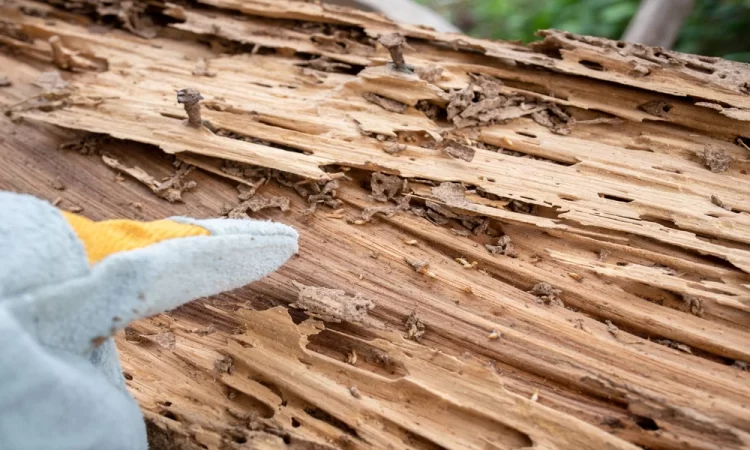
Once into a beam, joist, or subfloor, they devour the soft spring wood and leave a paper-thin shell behind. What they accomplish is hard to ignore:
- A mature colony can forage across an area larger than a football field.
- Workers feed around the clock, never going dormant through Huntsville’s mild winters.
- Damage accumulates invisibly, often concealed behind drywall or beneath flooring.
Building a Real Defense
Genuine protection is a layered strategy. The most resilient Huntsville homes combine professional treatment with watchful habits:
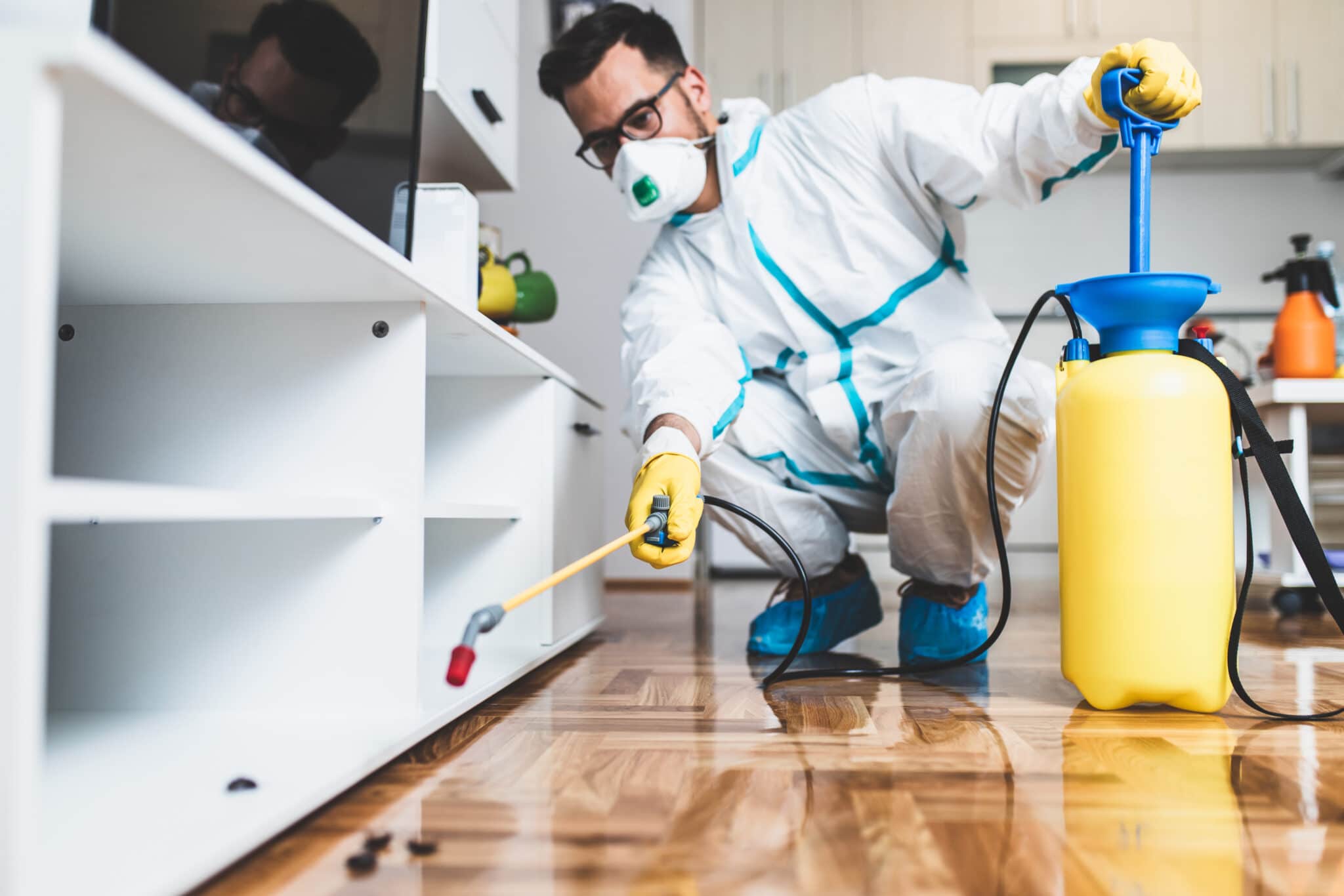
- Establish a treated barrier. Liquid termiticide applied around the foundation creates a zone that foraging termites cannot cross undetected.
- Install monitoring stations. Bait systems set around the property intercept colonies and reveal activity early, before it reaches the structure.
- Control moisture without exception. Working gutters, proper grading, and dry crawl spaces remove the dampness termites depend on.
- Eliminate wood-to-soil contact. Keep mulch, lattice, deck posts, and stored lumber from bridging the earth to siding.
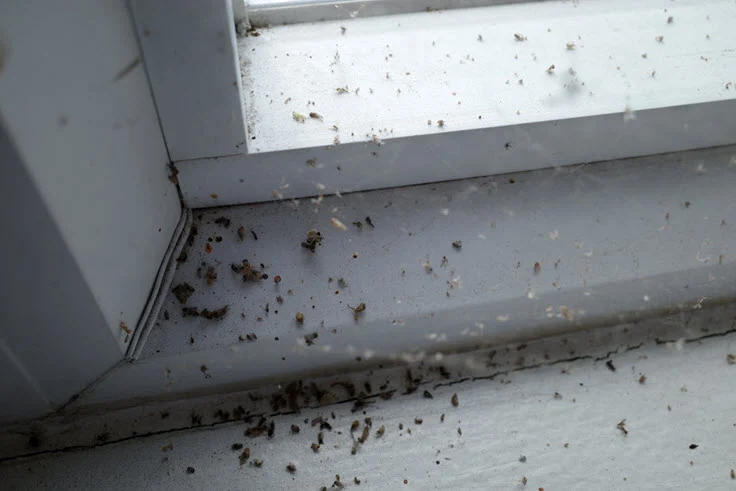
- Commit to annual inspections. A trained technician spots shelter tubes, shed wings, and faint damage long before a homeowner ever would.
The Value of Local Expertise
Termite defense rewards deep familiarity with how regional colonies behave. Palisade Pest Control brings the latest treatment methods and monitoring technology to homes across Huntsville and the wider Tennessee Valley, building each defense around the specific property. Backed by trained technicians and transparent pricing, the company gives Alabama homeowners a clear sense of how their property is being safeguarded.
This blend of modern tools and straightforward service matters when the threat is as patient and concealed as a subterranean colony. A provider who understands how termites travel through North Alabama soil is better placed to stop them.
Acting Before the Damage Spreads
Subterranean termites reward procrastination with expense. Every season a colony goes undetected is another season of undetected erosion beneath a Huntsville home. The homeowners who escape that fate treat protection as routine maintenance.
The wisest approach treats your foundation as critical infrastructure worth inspecting and defending on a schedule. Put a barrier in place, learn the early signs, and lean on professionals who know the local terrain. Do this, and the most destructive pest in North Alabama becomes a managed risk.