Tag

Home

Browsing

Successful renovations do not begin with paint colours or new finishes—they begin with a solid foundation. A home that lacks stability or usable space makes future projects more complicated and costly. Basement underpinning is a structural solution that strengthens the foundation while lowering the basement floor, creating valuable headroom and additional space. More than an upgrade on its own, underpinning acts as a launchpad for future renovations. It ensures that projects such as legal basement suites, mechanical upgrades, or even energy efficiency improvements are possible, safe, and effective. By addressing the basement first, homeowners can prepare their property for long-term growth and adaptability.

Creating the Space Needed for Expansion

A common limitation in older basements is low ceiling height, which restricts how the space can be used. Basements often function only as storage areas or laundry rooms, making them underutilized parts of the home. Underpinning solves this problem by lowering the basement floor and increasing headroom, transforming the space into a liveable and versatile area. This allows homeowners to imagine possibilities such as bedrooms, offices, or recreation rooms that were never feasible before.

This extra square footage sets the stage for renovations that may not be needed immediately but become valuable in the future. Families who plan to stay in their home long term can adapt the basement to changing needs over time. Whether creating a separate area for teenagers, designing a home gym, or leaving room for future rental potential, underpinning makes expansion practical without adding to the home’s footprint.

Reinforcing Structural Integrity

Renovations of any size rely on a stable foundation. Without proper reinforcement, projects such as installing new flooring, updating HVAC systems, or adding heavy fixtures can strain an already compromised base. Cracks, uneven walls, or shifting soil often point to issues that will complicate renovations if left unresolved. Underpinning strengthens the foundation, redistributes structural loads, and ensures that the home can withstand future changes safely.

This reinforcement reduces the risk of costly setbacks during future projects. Renovators can proceed with confidence knowing that the base of the home is sound. It also means that investments in finishes or systems are protected from structural failure. By dealing with foundation concerns through underpinning, homeowners eliminate a major source of uncertainty, ensuring smoother renovations later on.

Preparing for Legal Basement Suites

Adding a basement suite is one of the most effective ways to increase property value and generate income. However, many basements cannot be converted legally without underpinning. Building codes typically require minimum ceiling heights, safe exits, and adequate natural light, all of which are difficult to achieve in traditional basements. Underpinning provides the necessary clearance and stability to meet these requirements, paving the way for a compliant rental unit.

Even if a homeowner does not plan to create a suite immediately, underpinning ensures the option exists for the future. The flexibility to add a rental unit later can help offset mortgage payments, support multigenerational living, or attract potential buyers. Preparing the basement in advance makes the home far more adaptable, with a foundation that can support both lifestyle and financial goals.

Supporting Modern Mechanical Systems

Future renovations often include mechanical upgrades that require both space and stability. Larger HVAC systems, radiant floor heating, or advanced plumbing layouts demand basements with sufficient clearance and load-bearing strength. A cramped or weak basement limits what can be installed, while an underpinned one provides both the room and the reinforcement needed for these improvements.

The process also offers the opportunity to update insulation, waterproofing, and drainage systems. These upgrades improve the performance of new mechanical systems by creating a dry, energy-efficient environment. A well-prepared basement allows HVAC equipment to run more efficiently, plumbing to function reliably, and maintenance to be carried out with greater ease. Underpinning ensures the home is ready for the mechanical systems of today and the technologies of tomorrow.

Increasing Property Value for Future Sales

Even if homeowners do not pursue renovations immediately, underpinning enhances the home’s long-term value. A reinforced foundation and increased ceiling height make the property more attractive to future buyers. Real estate professionals often highlight underpinned basements as a sign of proactive investment, assuring buyers that the home is safe, adaptable, and ready for upgrades.

This readiness creates a competitive edge in the market. Buyers are more willing to pay a premium for homes that can easily be renovated into suites, living areas, or entertainment spaces. The value of underpinning lies not only in its immediate benefits but also in the future opportunities it enables. It turns the basement into a flexible asset that adds both practicality and resale appeal.

Building for What Comes Next

Renovations should never be viewed as isolated projects—they are part of a home’s ongoing evolution. Basement underpinning prepares a property for this evolution by creating space, reinforcing strength, and opening the door to future possibilities. It enables legal suites, supports modern systems, and increases overall value. Most importantly, it ensures that homeowners can pursue renovations with confidence, knowing the foundation is ready to handle change. A home built on a strong base is a home prepared for the future, and underpinning is the step that makes this vision possible.

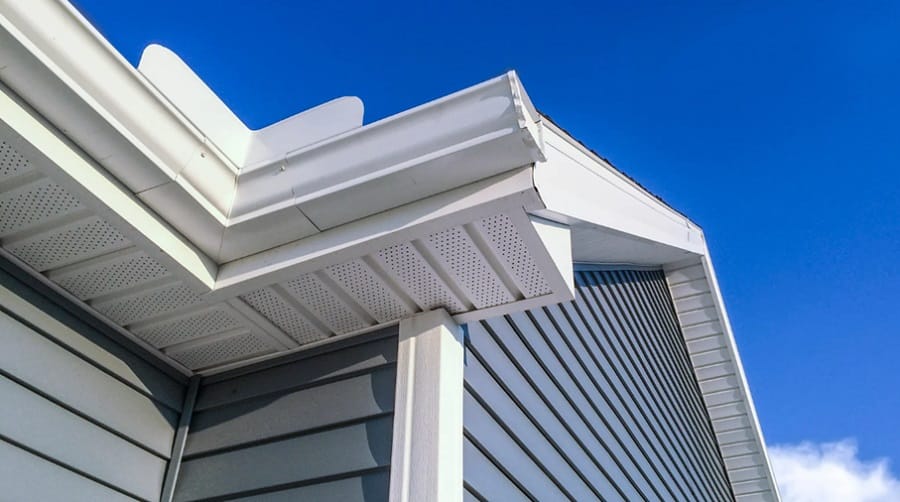
Siding plays a critical role in protecting your home from weather elements while enhancing curb appeal and improving energy efficiency. However, even the best siding materials will underperform if they are not installed correctly. That’s why hiring a seasoned siding contractor in Dayton is essential for ensuring a high-quality, long-lasting result. An experienced contractor brings technical expertise, material knowledge, and craftsmanship that simply cannot be replicated by inexperienced hands.

The Risks of Poor Siding Installation

Improper siding installation can lead to serious and costly issues. Gaps, warping, loose panels, and moisture infiltration are just a few of the problems that can arise when siding is not fitted or sealed correctly. These defects compromise your home’s structural integrity and can cause damage to insulation, drywall, and even foundational elements over time.

Beyond structural risks, poor installation also affects energy efficiency. A tight seal is necessary to maintain internal temperature control and keep utility costs down. Without that, your HVAC system may work overtime, leading to higher bills and more frequent repairs.

Knowledge of Material Compatibility and Application

There are many siding materials available—each with its own strengths, weaknesses, and application methods. A seasoned contractor understands how to assess your home’s architectural style, location, and exposure to elements to determine the best fit. For example, knowing the difference between aluminum and vinyl siding can help homeowners make a choice that suits both their aesthetic and functional goals.

Experienced siding professionals also understand how to accommodate natural expansion, contraction, and moisture drainage—all of which play a role in preserving the siding’s durability over time. They use proper techniques and tools to install siding so that it not only looks flawless but performs as intended under all weather conditions.

Understanding the Full Scope of Options

Choosing the right siding involves more than selecting color or texture. There are various profiles, trims, and underlayments to consider. A professional contractor can explain how each element contributes to the system as a whole, including protection, ventilation, and aesthetics.

Homeowners who are aware of the different types of siding materials often make smarter investments. A knowledgeable contractor will guide you through the pros and cons of materials like fiber cement, engineered wood, vinyl, and metal—ensuring that you choose the right option for your home and budget.

Conclusion

Hiring an experienced siding contractor is one of the smartest decisions a homeowner can make when it comes to protecting and beautifying their property. From preventing moisture damage to ensuring proper energy performance and maximizing material lifespan, a skilled contractor is key to getting the most from your siding investment.

The difference between an average job and exceptional craftsmanship lies in attention to detail, deep product knowledge, and a thorough understanding of best practices. With professional installation, your siding won’t just look great—it will safeguard your home for years to come. Investing in the right contractor now can save you from major headaches and expenses down the road, offering peace of mind that your home’s exterior is built to last.

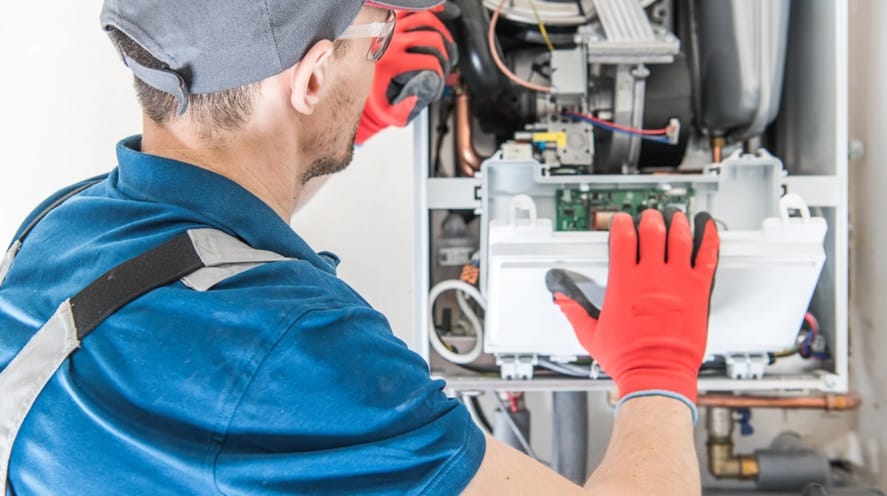
When your furnace suddenly stops working or starts making strange noises, a professional inspection becomes more than a luxury—it becomes a necessity. Heating systems are complex and often fail at the most inconvenient times, especially during the colder months. If you’re scheduling a service for furnace repair in Dayton, knowing what to expect during a professional visit can help you feel more prepared and confident throughout the process.

Initial System Evaluation

The service typically begins with a thorough assessment of your entire heating system. The technician will inspect your furnace, thermostat, filters, vents, and connections to identify any visible signs of damage or wear. This evaluation helps pinpoint the source of the issue and determines whether it’s mechanical, electrical, or airflow-related. Technicians use diagnostic tools to read error codes, test voltage, and check the ignition system. If your furnace has shut down or is underperforming, these early steps are essential to ruling out multiple causes and finding a targeted solution.

Clear Communication of Findings

Once the initial evaluation is complete, the technician will explain their findings in a straightforward manner. Whether it’s a malfunctioning blower motor, a cracked heat exchanger, or a clogged air filter, they will walk you through the problem and offer options for resolving it. Customers benefit from understanding the issue, the repair options, and the associated costs before work begins. Transparency at this stage allows for informed decisions without the pressure of unexpected surprises. Furnace problems and how to fix them often involve addressing issues like dirty filters, malfunctioning thermostats, pilot light failures, or blower motor problems, many of which require professional diagnosis and repair.

On-the-Spot Repairs When Possible

In many cases, minor to moderate furnace issues can be repaired during the same visit. Technicians carry a range of common replacement parts such as igniters, flame sensors, and capacitors to minimize downtime and restore comfort to your home quickly. If the repair requires specialty parts or significant system modifications, a follow-up appointment may be scheduled. In either case, you’ll receive a detailed breakdown of the work performed and any additional steps needed to complete the repair.

System Testing and Safety Checks

Once the repair is completed, the technician will restart your system and monitor its performance. They’ll confirm that airflow, temperature control, and cycling are operating as intended. Most importantly, they’ll perform safety checks to detect any carbon monoxide leaks, improper venting, or gas pressure issues. This final phase ensures your home remains both warm and safe after the repair.

Preventive Tips and Recommendations

Before leaving, professionals often offer guidance on how to maintain your system between service visits. This includes tips on regularly changing filters, scheduling seasonal tune-ups, and adjusting thermostat settings for optimal efficiency. Taking preventive measures to avoid costly furnace repairs can significantly extend the lifespan of your unit and reduce the likelihood of future breakdowns.

Conclusion

A furnace repair visit is more than a quick fix—it’s a comprehensive evaluation of your heating system’s health and performance. From diagnosing the issue to restoring functionality and advising on future maintenance, every step contributes to the comfort and safety of your home. When you schedule furnace repair, you’re investing in professional care that keeps your system running reliably when it matters most.

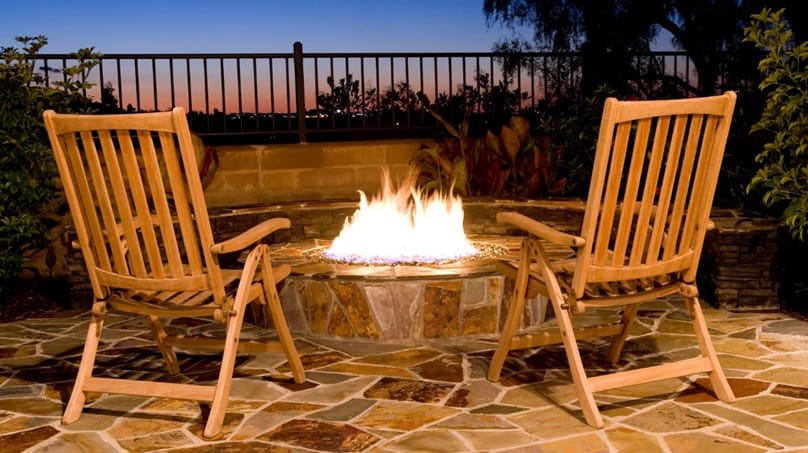
As outdoor spaces evolve into extensions of our homes, features like an outdoor fire pit in Cumming have become essential for creating functional and inviting environments. Whether you’re hosting a summer barbecue or enjoying a crisp autumn evening, a fire pit adds warmth, ambiance, and versatility that enhances your outdoor living experience all year long.

Beyond aesthetics, fire pits offer practical advantages that can improve comfort, usability, and value. Here’s a look at the many reasons why adding one could be the best upgrade to your backyard.

Extending the Outdoor Season

A fire pit allows you to make the most of your yard through every season. When temperatures drop, the warmth of a fire encourages you to stay outdoors longer. This makes it possible to enjoy chilly spring mornings, breezy fall evenings, and even mild winter nights in comfort.

Even in summer, the gentle flicker of a flame can create a cozy nighttime atmosphere. Add a few blankets and cushioned chairs, and your backyard becomes a year-round gathering place for family and friends.

Creating a Cozy Gathering Space

Fire pits naturally bring people together. The circular layout invites conversation, storytelling, and connection, making it a perfect focal point for any outdoor setting. Whether you’re roasting marshmallows or sipping warm drinks, the fire becomes a source of shared memories and relaxation.

For homes with children or guests, the addition of a fire pit can turn a simple night at home into a special occasion. It sets the tone for a more engaged and enjoyable outdoor lifestyle.

Boosting Visual Appeal and Home Value

From sleek modern designs to rustic stone builds, fire pits come in a variety of styles that can complement your landscape. A thoughtfully placed unit can anchor your backyard design while enhancing its overall visual appeal. It’s both functional and decorative, adding dimension and warmth to patios, decks, or garden areas.

Furthermore, buyers often see fire pits as desirable features. Enhancing your yard with a fire element may contribute to improved resale value and curb appeal, especially in regions that experience seasonal changes.

Enhancing Versatility and Outdoor Function

A fire pit expands how your outdoor area can be used. It adds a focal point to your layout that serves as a seating area, a casual dining zone, or even an outdoor entertainment hub. Built-in benches or surrounding stone ledges provide extra seating while preserving an open-air feel.

The benefits of incorporating a fire feature often include added ambiance, improved functionality, and greater comfort, making it one of the most rewarding upgrades for homeowners who want to make the most of their outdoor living areas throughout the year.

Conclusion

The benefits of adding a fire pit to your backyard are more than just a trend—it’s a lasting investment in comfort, connection, and all-season enjoyment. Whether you’re seeking to create a cozy retreat, expand your entertaining options, or increase your property’s value, a fire pit offers unmatched benefits. With the right design and setup, your outdoor space can become the heart of your home—welcoming, warm, and alive with possibility every month of the year.

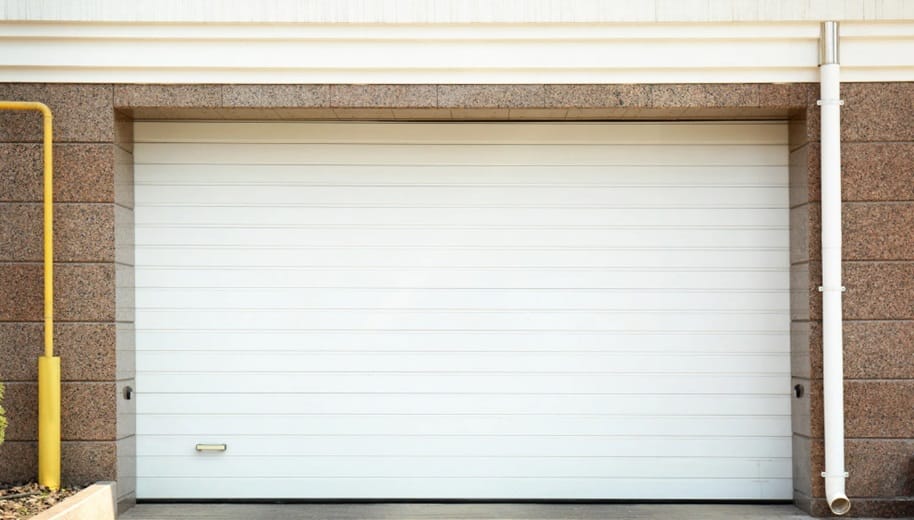
Your garage door is an essential part of your home’s security system, acting as one of the primary points of entry. Whether you’re upgrading your current door or installing a new one, it’s important to choose features that ensure both security and convenience. When considering garage doors in Powell, there are specific features to look for that can provide peace of mind while improving the functionality of your home’s entry.

A well-secured garage door not only protects your vehicle and belongings but also enhances the overall security of your home. Here are some of the top security features that should be prioritized when selecting a garage door.

Key Security Features in a Garage Door

  1. Sturdy Construction: A solid, durable door is the foundation of home security. Steel and solid wood are often the best choices for their strength and resilience. These materials are less likely to be broken into compared to thinner, lighter alternatives, offering more protection against forced entry.
  2. Impact-Resistant Glass: Many garage doors come with windows, but it’s important to choose impact-resistant glass. This type of glass is far more difficult to break, helping to prevent potential intruders from gaining access through the window.
  3. Automatic Locking Systems: Modern garage doors often feature automatic locking mechanisms that engage when the door closes, ensuring it remains secure without requiring additional action from the homeowner. These locks add an extra layer of convenience and protection, especially for those who might forget to manually secure the door.
  4. Rolling Code Technology: Many garage door openers use rolling code technology to add security. This feature changes the security code every time the door is opened, preventing thieves from copying the code and gaining unauthorized access. This technology is highly effective in safeguarding against electronic hacking attempts.
  5. Manual Release: A manual release system is essential, especially during power outages. This feature allows homeowners to open and close the door manually, ensuring security even when electricity is unavailable.

Considering the longevity of your garage door is essential, as how long garage doors usually last plays a role in understanding when to upgrade or replace your current system to maintain security.

Additional Features to Consider for Enhanced Security

  1. Motion Sensors: Motion sensors integrated into the garage door system can be a useful feature to increase security. These sensors trigger lights or alarms if movement is detected near the garage, alerting homeowners to potential threats.
  2. Smartphone Integration: Many modern garage doors are now equipped with smart technology that allows homeowners to monitor and control their garage door via their smartphone. This means you can remotely check if the door is open, close it from anywhere, and receive notifications if the door is left open.
  3. Security Cameras: Adding security cameras near your garage door is another way to keep your home safe. These cameras monitor activity and record footage that can be accessed remotely. By keeping an eye on your garage area, you can quickly spot suspicious activity.

Addressing Common Garage Door Issues

Even with the best security features, garage doors can still face common issues like being noisy or stuck. Regular maintenance and troubleshooting can help prevent these problems from affecting the security and functionality of the door. For example, keeping the tracks clean, checking the sensors, and lubricating moving parts can all contribute to smooth operation.

If your garage door starts to make strange noises or gets stuck while opening, these are often signs that maintenance is needed. Understanding how to troubleshoot a noisy or stuck garage door can save you time and money while keeping your door secure.

Conclusion

When it comes to home security, your garage door plays a crucial role. By selecting a door with strong construction, impact-resistant glass, automatic locking, and modern technologies like rolling code and smart features, you can ensure your garage door offers maximum protection. Regular maintenance will also help keep the door functioning smoothly and prevent common issues that could compromise security.

Investing in these security features for your garage door will not only protect your home but also provide peace of mind, knowing that you’ve taken steps to secure one of the most vulnerable points of entry to your property.

Historical Use of Asbestos in Furnaces

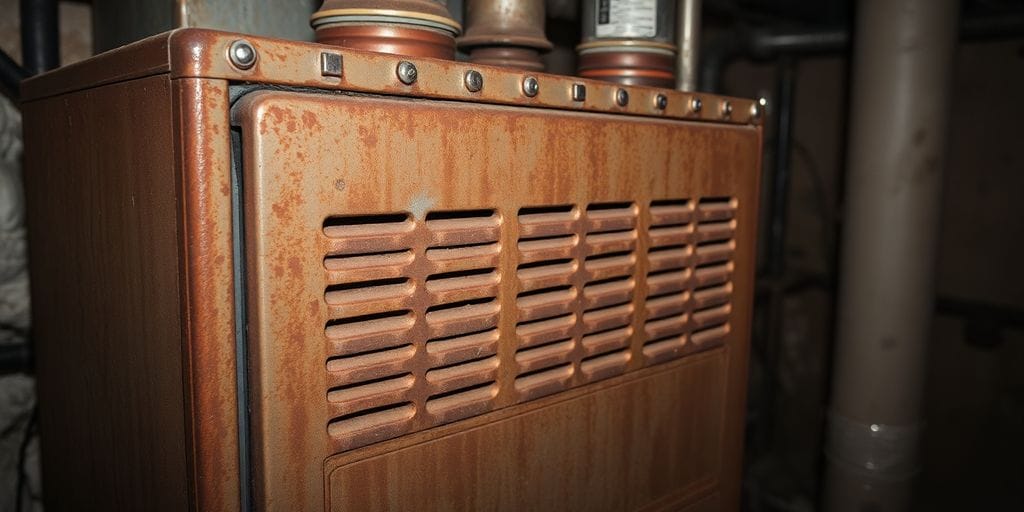
Back in the day, asbestos was the go-to material for many builders, especially in homes constructed before the 1980s. Why? Because it was cheap and great at resisting heat. Asbestos was commonly used in furnaces for its insulating properties. It was found in things like gaskets, heat shields, and duct insulation. The idea was to keep homes warm without the risk of fire. But as time went on, folks started realizing that this stuff was more dangerous than they thought.

Common Locations of Asbestos in Heating Units

If you’ve got an older furnace, there’s a good chance asbestos is lurking somewhere. Here are some places it might be hiding:

  • Ductwork: Often lined with asbestos paper or cloth.
  • Gaskets: Used to seal connections and prevent leaks.
  • Insulation: Wrapped around pipes and other components to keep the heat in.

These are just a few spots, but any place that needed heat resistance might have used asbestos.

Why Asbestos Was Used in Furnaces

So, why did they choose asbestos in the first place? The answer is pretty straightforward. Asbestos is incredibly resistant to heat and doesn’t burn easily. This made it perfect for furnaces, which needed to handle high temperatures without catching fire. Plus, it was cheap and easy to work with. At the time, it seemed like the perfect solution. But now, we know better. Asbestos exposure can lead to serious health issues, and it’s something homeowners need to be aware of, especially if they live in older homes.

Health Implications of Asbestos Exposure

Respiratory Diseases Linked to Asbestos

Asbestos exposure is a serious concern, primarily because it can lead to severe respiratory diseases. The fibers, when inhaled, can cause asbestosis, a chronic lung condition characterized by scarring of lung tissue. This results in symptoms like persistent coughing, chest pain, and shortness of breath. Lung cancer is another potential outcome, marked by unexplained weight loss, difficulty breathing, and continuous coughing. Mesothelioma, a rare cancer affecting the lung lining, is also a known risk of asbestos exposure, leading to chest and abdominal pain and swelling.

Long-Term Health Effects

The long-term health effects of asbestos exposure are particularly worrying because they might not manifest until many years after exposure. This latency period means that individuals might not be aware of the damage being done until it’s too late. Over time, the inhaled fibers can cause significant damage to the lungs and other organs, potentially leading to fatal diseases like mesothelioma and lung cancer. The risk increases with greater exposure, emphasizing the importance of minimizing contact with asbestos.

Symptoms of Asbestos-Related Illnesses

Recognizing the symptoms of asbestos-related illnesses can be challenging, as they often resemble those of other common respiratory conditions. However, some signs to watch out for include:

  • Persistent cough and chest pain
  • Shortness of breath and wheezing
  • Fatigue and loss of appetite
  • Unexplained weight loss

It’s crucial for individuals who suspect they have been exposed to asbestos to seek medical advice promptly. Early detection and intervention can make a significant difference in managing these health risks.

Identifying Asbestos in Your Home Furnace

Visual Signs of Asbestos

When trying to spot asbestos in your furnace, a few visual clues can be helpful. Asbestos insulation often looks corrugated or layered, similar to a honeycomb. Look for white or gray fibrous materials around the furnace or ductwork. However, remember that visual inspection alone isn’t foolproof since other materials can mimic asbestos’s appearance.

Age and Type of Furnace

The age of your furnace is a major indicator. Furnaces made before the 1980s are more likely to contain asbestos. If you have an old-style gravity furnace or an octopus furnace, there’s a higher chance of asbestos being present. These older models often used asbestos for insulation and heat resistance.

Professional Inspection and Testing

For a definitive answer, hiring a professional is the best route. A licensed asbestos inspector can conduct a thorough evaluation without disturbing the material. They can safely collect samples for laboratory testing, ensuring that any asbestos presence is confirmed accurately. If you’re unsure about your furnace, consulting experts is crucial to maintain a safe home environment.

Steps to Take If Asbestos Is Found in Your Furnace

Hiring an Asbestos Abatement Professional

If you suspect asbestos in your furnace, the first step is to hire a licensed asbestos abatement professional. These experts are trained to handle and dispose of asbestos safely. Hiring licensed asbestos abatement professionals is crucial because they can assess the situation, conduct tests, and develop a plan for safe removal or containment. They might advise you to vacate your home during the process to minimize exposure risk. Always follow their instructions closely to ensure the safety of everyone involved.

Safety Precautions for Homeowners

While waiting for professional help, it’s important to take certain safety precautions. Avoid disturbing any materials that may contain asbestos, as this can release harmful fibers into the air. Seal off the affected area if possible, and ensure that children and pets are kept away. Remember, improper handling of asbestos can pose serious health risks, so it’s best left to the professionals.

Legal and Regulatory Considerations

Dealing with asbestos also involves understanding the legal and regulatory framework. Homeowners should be aware of local regulations regarding asbestos removal and disposal. It’s essential to comply with these rules to avoid legal issues. Professionals you hire should be familiar with these regulations and ensure that the removal process adheres to them. This not only ensures safety but also helps in avoiding potential fines or legal complications.

The Process of Asbestos Abatement

Initial Assessment and Testing

Before any removal work begins, a thorough assessment of the area is conducted. This involves a detailed inspection to identify the presence and extent of asbestos materials. Professionals use specialized tools and techniques to take samples and test them in a lab, ensuring accurate identification of asbestos. This step is crucial to plan the abatement process safely and effectively.

Removal and Disposal Procedures

Once testing confirms asbestos presence, the removal process can begin. The area is sealed off to prevent the spread of asbestos fibers. Workers wear protective gear and use specialized equipment to carefully remove asbestos materials. The asbestos is typically disposed of rather than completely destroyed, involving a process that includes wetting the material. This step is crucial to prevent airborne contamination. The materials are then securely packed and transported to designated disposal sites.

Post-Abatement Safety Measures

After the removal, the area undergoes a thorough cleaning to ensure no asbestos fibers remain. Air quality tests are conducted to confirm the safety of the environment. It’s important to follow all safety guidelines and regulations during this phase to ensure the area is safe for occupancy. Homeowners are advised to follow up with regular inspections to maintain a safe environment.

Cost Considerations for Asbestos Removal

Factors Influencing Removal Costs

The cost of asbestos removal can vary significantly based on several factors. One of the primary determinants is the location of the asbestos within the home. If asbestos is present in hard-to-reach areas or requires special handling, the costs can increase. The size of the area affected also plays a crucial role; larger spaces generally mean higher costs. Additionally, local regulations and disposal fees can impact the overall expense. For instance, asbestos removal costs vary by state, with disposal fees ranging from $10 to $50 per cubic yard and permit costs between $50 and $100.

Average Costs of Asbestos Abatement

On average, the cost to remove asbestos from a furnace ranges between $5,000 and $12,500. This range covers the entire process from initial inspection to final disposal. It’s important to note that these figures can fluctuate based on the complexity of the project and the region. Homeowners should obtain multiple quotes from licensed abatement professionals to ensure they are receiving a fair price.

Financial Assistance and Insurance

Homeowners facing asbestos removal should explore financial assistance options. Some states offer grants or low-interest loans to help cover these costs. Additionally, it’s wise to check with your insurance provider to see if asbestos abatement is covered under your policy. While many standard home insurance policies do not cover asbestos removal, some might offer partial coverage or specific endorsements for hazardous material removal. Exploring these options can ease the financial burden of making your home safe.

Preventing Asbestos Exposure in Older Homes

Regular Maintenance and Inspections

Older homes, especially those built before the 1980s, often contain asbestos in various parts like insulation and heating systems. Regular maintenance and inspections are crucial to prevent asbestos exposure. Homeowners should schedule annual check-ups with professionals who can identify potential asbestos-containing materials. Look for signs of wear or damage, as these can release asbestos fibers into the air. If you suspect the presence of friable asbestos-containing products in your home, it’s crucial to consult a professional for safe removal.

Upgrading to Modern Heating Systems

One effective way to minimize asbestos risks is by upgrading old heating systems. Older furnaces, especially those predating the 1980s, might harbor asbestos. Replacing these with modern, asbestos-free systems can significantly reduce exposure risks. During replacement, ensure the process is handled by experts to prevent asbestos fibers from being released into the air. To prevent asbestos fibers from being released into the air, it is essential to maintain materials in good condition or to remove and replace them.

Educating Homeowners on Asbestos Risks

Awareness is key in preventing asbestos exposure. Homeowners should educate themselves about the risks associated with asbestos and how to handle potential hazards. Workshops and informational sessions can be beneficial. Homeowners should learn to recognize signs of asbestos deterioration and understand the importance of professional intervention. By staying informed, they can make safer choices for their homes and families.

The Role of Professionals in Managing Asbestos Risks

Qualifications of Asbestos Abatement Experts

When dealing with asbestos, it’s crucial to rely on certified professionals. These experts are trained to handle the complexities of asbestos removal, ensuring every step is executed safely. Certification is essential, as it guarantees that the individual has undergone rigorous training and testing. Look for professionals who are not only certified but also have a solid track record in asbestos abatement. They should be well-versed in local regulations and safety protocols, which are vital for effective management.

Choosing the Right Professional for the Job

Selecting the right professional can make a significant difference in the outcome of an asbestos project. Here are some steps to consider:

  1. Check Credentials: Verify the professional’s certification and experience.
  2. Request References: Speak to past clients to gauge their satisfaction with the work done.
  3. Get Multiple Quotes: Compare prices and services to ensure you’re getting a fair deal.
  4. Discuss the Plan: Make sure they provide a detailed plan of action and timeline for the project.

Importance of Professional Guidance

Professional guidance is key when managing asbestos risks. Experts provide a comprehensive asbestos risk assessment to identify potential hazards and recommend solutions. They ensure that all safety measures are in place to protect both the workers and the residents. With their help, homeowners can avoid the dangers of improper handling and disposal of asbestos materials. Relying on professionals not only ensures safety but also compliance with legal requirements, making it a wise choice for any homeowner concerned about asbestos exposure.

Legal and Environmental Aspects of Asbestos Use

Regulations Governing Asbestos Use

The use of asbestos has been heavily regulated in many parts of the world due to its health risks. In fact, asbestos is banned in over 50 countries. The United States plans to ban the use of chrysotile asbestos by 2024. This move reflects growing concerns about the dangers associated with asbestos exposure, including diseases like lung cancer and mesothelioma. Regulatory bodies have established strict guidelines for handling and disposing of asbestos to protect public health and the environment.

Environmental Impact of Asbestos

Asbestos does not just pose a threat to human health; it also affects the environment. When asbestos materials are improperly handled or disposed of, fibers can be released into the air, contaminating soil and water sources. This can lead to widespread environmental pollution, impacting flora and fauna. The persistence of asbestos in the environment necessitates stringent measures to prevent its release and ensure safe disposal practices.

Future Trends in Asbestos Management

The future of asbestos management is likely to be shaped by technological advancements and stricter regulations. Innovations in asbestos detection and removal are expected to improve safety and efficiency in dealing with asbestos-containing materials. Moreover, the EPA’s recent ban on chrysotile asbestos indicates a shift towards more comprehensive policies aimed at eliminating asbestos use altogether. As awareness grows, more countries might follow suit, leading to a global decline in asbestos-related risks.

Technological Advances in Asbestos Detection and Removal

Innovations in Asbestos Testing

In recent years, there have been significant strides in asbestos testing technology. One of the most notable advancements is the use of Transmission Electron Microscopy (TEM). TEM is often regarded as the gold standard for asbestos detection. By utilizing electron beams, it provides a precise analysis of asbestos fibers, ensuring accuracy in identifying their presence. This technological leap not only enhances the effectiveness of asbestos testing but also contributes to creating safer environments by accurately pinpointing asbestos locations.

New Methods for Safe Removal

The process of removing asbestos has also seen technological improvements. Robotic technologies have been introduced to safely eliminate asbestos, reducing the risk of exposure to workers. These robots can maneuver into tight spaces and perform removal tasks that would otherwise pose a danger to human workers. Additionally, the use of HEPA filters, which can capture 99.97% of asbestos fibers, has become a staple in modern asbestos abatement projects. Recent advancements in these filters have improved their efficiency, making the removal process safer and more reliable.

Impact of Technology on Asbestos Management

The integration of technology in asbestos management has transformed how asbestos is detected and removed. These advancements have made the process more efficient and less hazardous. With the aid of cutting-edge tools and methods, asbestos management is not only more precise but also less intrusive. This means that homeowners and workers alike can have greater peace of mind knowing that the risks associated with asbestos are being managed with the utmost care and precision. The ongoing development in this field continues to promise even safer and more effective strategies for dealing with asbestos in the future.

Community Resources and Support for Asbestos Concerns

Local Health Departments and Agencies

Local health departments are often the first point of contact for individuals concerned about asbestos in their homes. These agencies provide essential information on the health risks associated with asbestos exposure and can direct homeowners to appropriate testing services. Collaboration with local agencies can be crucial in managing asbestos-related issues efficiently. In many areas, these departments offer:

  • Guidance on identifying potential asbestos sources in the home.
  • Assistance in finding certified asbestos abatement professionals.
  • Educational materials to inform the public about asbestos risks and safety measures.

For those residing in the U.S., contacting the EPA Region 6 office can also be a valuable step in understanding regulatory requirements and getting further assistance.

Support Groups for Affected Individuals

Dealing with asbestos exposure can be challenging, both physically and emotionally. Support groups offer a platform where affected individuals can share their experiences and find solace among peers facing similar issues. These groups often provide:

  • Emotional support and counseling services.
  • Information on medical treatments and healthcare providers.
  • Opportunities to participate in advocacy efforts aimed at raising awareness about asbestos dangers.

The Asbestos Disease Awareness Organization (ADAO) is one such group that serves as a unified voice for asbestos victims and concerned citizens in the U.S.

Educational Programs and Workshops

Educational initiatives play a vital role in preventing asbestos exposure. Many community centers and local organizations host workshops designed to educate the public about asbestos risks and safe handling practices. These programs typically cover:

  • The history and use of asbestos in household products.
  • Methods for safely managing and removing asbestos-containing materials.
  • Legal rights and resources available to those impacted by asbestos exposure.

By participating in these programs, homeowners can gain a better understanding of how to protect themselves and their families from the dangers of asbestos.

Websites

Mesothelioma Fund

Mesothelioma Hub

Mesothelioma Lawyer Center

Mesothelioma Help

Lung Cancer Group

Weitz and Luxenberg

Gori Law

Dolman Law

Mesothelioma.Net

Tor Hoerman Law

Mesothelioma Guide

Mesothelioma Hope

Robert King Mesothelioma Law Services


Wisconsin’s unpredictable climate, characterized by harsh winters and humid summers, poses significant challenges to the durability and longevity of residential roofs. Identifying when to engage a professional roofer is essential for maintaining your home’s structural integrity and preventing costly repairs. The following are critical indicators that signal the need for a professional roofer in Wisconsin.

1. Roof Age

A professional inspection is recommended as your roof approaches the 20-year milestone. Given the severe weather conditions typical of Wisconsin, more frequent evaluations may provide added benefit. A qualified roofing expert can offer valuable insights into the condition of your roof and advise you on necessary repairs or potential replacement to ensure its continued durability.

2. Shingle Issues

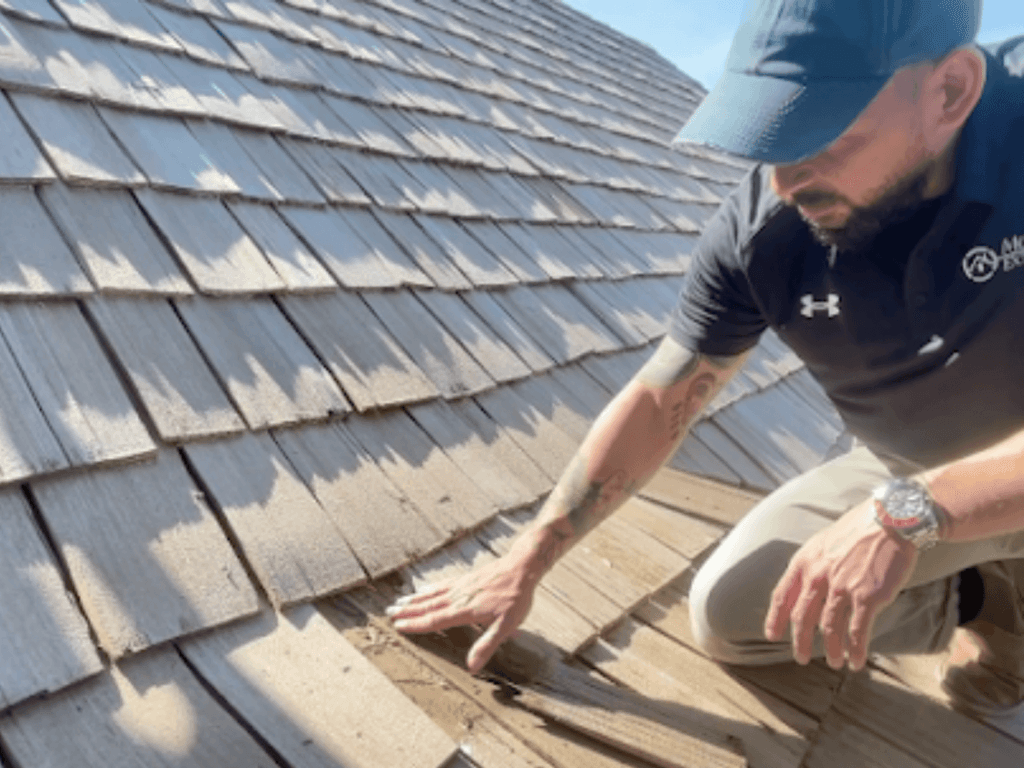
Detecting roof damage can often be as straightforward as assessing visible shingle conditions. Watch for missing, cracked, or curling shingles, as extreme weather—from strong winds to heavy snowfall—can accelerate shingle deterioration. Timely intervention is critical to prevent water infiltration, which could lead to mold growth and further structural damage.

3. Water Damage Risks

Indications of water damage, such as dampness in the attic or discoloration on the ceiling, warrant immediate attention. Roof leaks may arise from various factors, including aged roofing materials, improper flashing installation, or failure of sealants. Prompt action upon discovering a leak is essential in mitigating further damage.

4. Granule Loss

The granules on asphalt shingles provide crucial protection against weather and UV exposure. Finding granules in your gutters or on the ground is a sign that your shingles may require maintenance. A lack of granules increases vulnerability to damage and leaks, necessitating swift action from experienced roofing professionals.

5. Roof Decay or Sagging

A sagging or drooping roof requires urgent evaluation by a roofing expert. Such a condition may result from weakened support systems, water damage, or insufficient attic support. Ignoring a sagging roof can pose serious safety risks and should be addressed immediately.

6. Ice Dam Formation

Ice dams occur when melted snow refreezes at the edges of the roof, obstructing proper drainage. This obstruction can lead to water intruding into the structure, resulting in significant damage. Ice dams are particularly prevalent in Wisconsin’s severe winter months; thus, consulting a seasoned contractor can help address and prevent them through improved ventilation and insulation solutions.

7. Organic Growth

The presence of moss, algae, or mold on your roof can indicate underlying water issues or poor ventilation. These organisms not only diminish the aesthetic appeal of your home but can also compromise the roofing structure’s integrity over time. Prompt treatment is imperative; a qualified roofing professional can effectively remove these growths and recommend strategies to enhance ventilation, safeguarding against future problems.

Selecting a Trustworthy Wisconsin Roofer

Understanding the appropriate time to consult a roofing professional is crucial for ensuring the durability and structural soundness of your home’s roof. If you observe signs of roof damage, such as missing shingles, leaks, or sagging, it is vital to seek expert assessment promptly. This proactive measure not only helps to avert more serious issues but also extends the lifespan of your roof. By selecting a reputable roofing contractor, you can ensure that your home remains secure, dry, and well-prepared to withstand Wisconsin’s extreme weather conditions.

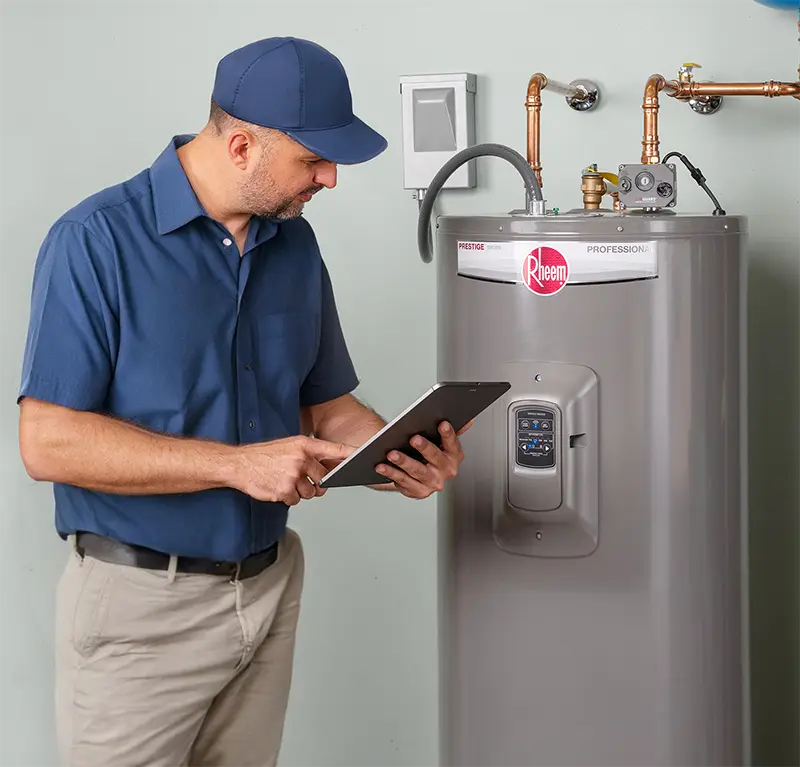
Located in the picturesque town of Red Wing, Minnesota, a local service provider is committed to offering residents the ideal blend of comfort and convenience. Reliable access to hot water is crucial for every household, regardless of lifestyle or profession. Gas water heaters are increasingly recognized for their efficiency and cost-effectiveness, making them the preferred choice for numerous families. At Culligan of Red Wing, a dedication to exceptional service is evident in each gas water heater installation, ensuring homes maintain comfort and functionality.

The Advantages of Gas Water Heaters

Gas water heaters are renowned for their dependable performance and energy efficiency. They deliver a continuous supply of hot water, essential for a variety of daily tasks such as showering, washing dishes, and laundering clothes. The operational costs associated with gas water heaters are generally lower compared to electric models, allowing homeowners to achieve significant savings without compromising on quality or performance.

Professional Installation Customized to Your Requirements

Selecting the right gas water heater is only half the battle; precision in installation is crucial for maximizing efficiency and longevity. Culligan of Red Wing promises a seamless installation process meticulously tailored to the unique requirements of each household. Each gas water heater is engineered to deliver optimal performance, enabling residents to enjoy an uninterrupted supply of hot water. The installation team comprises highly skilled technicians who are adept at catering to the specific demands of every home.

Promoting Sustainability with Advanced Solutions

For environmentally conscious individuals, gas water heaters offer a responsible alternative. They produce fewer greenhouse gas emissions compared to conventional electric models, thereby contributing to a decreased carbon footprint. By choosing gas water heaters, families can enjoy the convenience of on-demand hot water while actively participating in sustainable practices.

Expert Consultation from a Knowledgeable Team

The professionals at Culligan of Red Wing are committed to guiding customers in selecting the most suitable gas water heater for their homes. They conduct comprehensive assessments of individual needs, taking into account factors such as budget and available space. By partnering with Culligan, customers can trust that they are making an informed decision with the support of an experienced team throughout the entire process.

With a focus on exceptional quality and meticulous attention to detail, Culligan of Red Wing ensures that each installation meets the highest industry standards. The technicians are dedicated to providing an installation experience that is both efficient and reliable, allowing customers to enjoy peace of mind long after the installation is complete.

Dedication to Customer Satisfaction

At Culligan of Red Wing, customer satisfaction is the foremost priority. The team strives to deliver results that not only meet but exceed expectations, particularly in services like gas water heater installation in Red Wing, MN. They remain available to address any inquiries or concerns that may arise. Customer feedback is actively encouraged, reflecting the commitment to exceptional service.

Take the Next Step Today

For Red Wing residents in search of superior gas water heater installation, Culligan offers unparalleled quality and expertise. With a focus on efficiency and reliability, customers can be assured of a consistent hot water supply. Interested homeowners are invited to contact Culligan of Red Wing today to learn more about their installation services and to schedule an appointment. Experience the exceptional comfort and convenience of a professionally installed gas water heater and transform your home into a bastion of warmth and reliability.

As seasons shift and temperatures drop, the appeal of the outdoors persists. While cooler weather often encourages people to retreat indoors, it does not have to signal the conclusion of outdoor gatherings. An outdoor fireplace can rejuvenate any backyard, transforming it into a warm and welcoming retreat that allows homeowners to appreciate the natural beauty of their surroundings year-round. Premier businesses, such as Warner’s Outdoor Solutions, excel in assisting Twin Cities residents in selecting and installing the ideal outdoor fireplace, thereby enhancing their outdoor experiences.

The Transformative Impact of Outdoor Fireplaces

Integrating an outdoor fireplace into a backyard offers more than just a remedy for cold evenings; it significantly enhances the space’s functionality and creates a focal point for social gatherings. Imagine cherished ones gathered around the fire, exchanging stories, enjoying warm beverages, and creating lasting memories beneath the twinkling stars. An outdoor fireplace establishes a perfect backdrop for conversation and togetherness, making it an essential addition to any home. For those seeking to elevate their outdoor space, a professional outdoor fireplace installation in the Twin Cities can bring this vision to fruition, allowing homeowners to fully enjoy their backyards.

Selecting the Ideal Outdoor Fireplace

When choosing the appropriate outdoor fireplace, it is essential to consider several factors, including available space, desired aesthetic, and intended use. Companies like Warner’s Outdoor Solutions offer a diverse array of options, accommodating various tastes and functional needs. From traditional wood-burning models to modern gas and propane fireplaces, there is a fitting choice for every homeowner.

Space and safety are paramount in selecting a fireplace. Assessing the dimensions of the backyard and determining the fireplace’s placement are critical. Compliance with local building codes and safety regulations is essential for a secure installation. Additionally, ensuring that the design and materials of the fireplace align with the home’s architecture and landscaping contributes to a cohesive aesthetic. Homeowners should also consider the fuel type; while wood-burning fireplaces offer classic charm, they require more maintenance. Conversely, gas fireplaces provide convenience and ease of use, though they necessitate professional installation to connect gas lines safely.

The Importance of Professional Installation for Safety and Efficiency

The installation of an outdoor fireplace significantly enhances the outdoor living experience, and Warner’s Outdoor Solutions underscores the importance of professional installation. Expertise in this area ensures compliance with local regulations and guarantees safety throughout the installation process. Homeowners should always engage qualified professionals, especially for gas-powered fireplaces, to ensure proper and efficient installation. Consulting local building authorities is also essential for securing necessary permits and adhering to regulations.

Why Warner’s Outdoor Solutions is the Preferred Choice

With extensive experience in enriching outdoor spaces across the Twin Cities, Warner’s Outdoor Solutions has cultivated a reputation for exceptional service and client satisfaction. The dedicated team guides homeowners through every stage of the process, from initial selection to final installation, ensuring that the outcome aligns with their vision and enhances their outdoor living experience.

An outdoor fireplace is not merely a source of heat; it can metamorphose a backyard into a year-round sanctuary. This addition increases the usability of outdoor spaces, offering an elegant and inviting gathering spot for friends and family. For those enthusiastic about embracing outdoor living throughout the seasons, consulting experts such as Warner’s Outdoor Solutions is an excellent starting point. By unlocking the full potential of their backyards, homeowners can relish the beauty of the outdoors, creating cozy and inviting spaces for their loved ones to enjoy all year long.

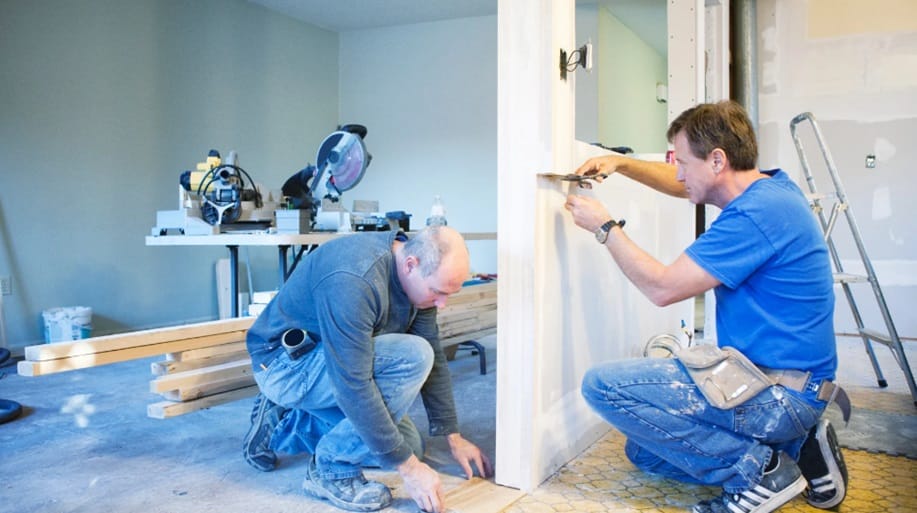
Home renovations can be exciting and life-changing, giving your living space a fresh, new feel. However, the process is rarely simple. From planning to execution, every stage requires expertise and attention to detail. Hiring a professional for your home renovations in Alpharetta can ensure the job is done right, saving you time, energy, and stress.

Why Experience Matters

Professional renovators bring years of experience to the table. They know how to handle various challenges that may arise, from structural issues to unexpected repairs. Their expertise reduces the chance of costly errors, delays, or subpar results. For example, a professional can source suitable materials for finishing your project without inflating costs.

Additionally, professionals help you craft a renovation plan tailored to your needs while following local building codes and safety regulations. If you’re tackling your own project, learning all of this on the fly can be overwhelming and risky.

For homeowners looking to take a smoother path, reviewing essential tips for planning and organizing your home renovations will offer valuable insights. These steps can help you collaborate better with the professionals you hire.

Save Time and Avoid Stress

Taking on a home renovation as a DIY project often sounds simpler than it is. While achieving a personal touch is appealing, renovations require significant amounts of time and coordination. Dealing with permits, arranging suppliers, and managing unexpected setbacks can throw off your daily routine.

Professionals excel at project management. They can streamline the process, ensuring that work is completed efficiently, and deadlines are met. This means you no longer need to spend weekends measuring, cutting, or troubleshooting. By trusting experts, you can focus on your life while knowing the renovation is in capable hands.

Access to Specialized Tools and Skills

Home renovation professionals don’t just bring their expertise—they also bring their tools and specialized skills. Many renovation projects involve more complex tasks such as electrical work, plumbing, or structural adjustments. Trying to handle these yourself can not only compromise the result but also pose safety hazards.

By hiring experts, you gain access to equipment and knowledge that ensures better outcomes. A professional’s precision can make all the difference in achieving long-lasting results, whether installing countertops or updating flooring. These trades require years of practice to master, and hiring professionals means your project benefits from that depth of capability.

Enhancing Your Living Experience

Well-planned and executed renovations increase not only the beauty of your home but also its functionality and value. New spaces can enhance how you and your family live day-to-day. For instance, an open kitchen design might encourage more shared meals and conversations, while a stylish bathroom upgrade can make your routine more enjoyable.

A guide on enhancing your living experience through home renovations further illustrates how thoughtful upgrades can make your space more inviting and efficient. Whether planning small updates or a whole-home makeover, professional input can help unlock your home’s full potential.

Maximizing Investment Returns

When done right, home renovations can significantly boost your property’s resale value. This is especially important for homeowners looking to sell or rent out their homes. Poorly executed DIY projects, however, can have the opposite effect, as potential buyers or tenants may view flaws as red flags.

Professionals understand current trends and what buyers are looking for, making it easier to choose the right updates. Their expertise ensures the work is high-quality, giving you confidence in your investment’s long-term benefits.

Conclusion

Deciding between a DIY approach and hiring a professional for home renovations can be challenging, but the advantages of working with experts far outweigh the costs. Professionals bring experience, efficiency, and the ability to elevate both your living experience and your home’s resale value. If you’re planning a home upgrade, partnering with skilled professionals ensures a smooth, stress-free renovation that exceeds your expectations. Start your journey with the right team to transform your vision into reality.