Tag

inspection

Browsing

When your furnace suddenly stops working or starts making strange noises, a professional inspection becomes more than a luxury—it becomes a necessity. Heating systems are complex and often fail at the most inconvenient times, especially during the colder months. If you’re scheduling a service for furnace repair in Dayton, knowing what to expect during a professional visit can help you feel more prepared and confident throughout the process.

Initial System Evaluation

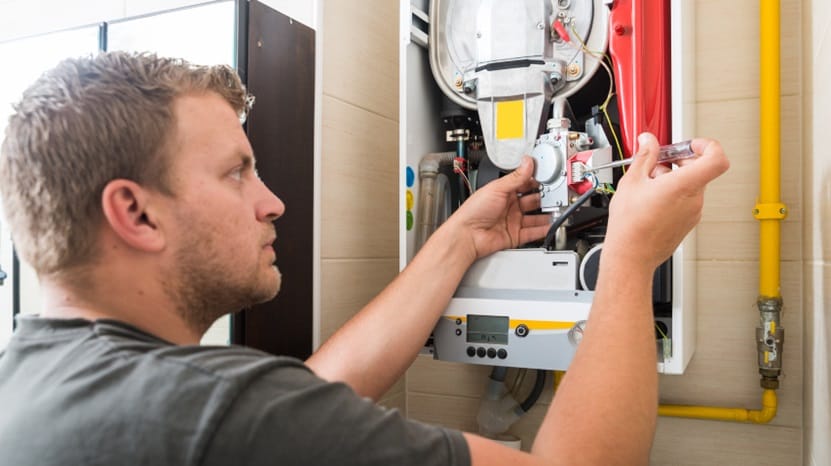
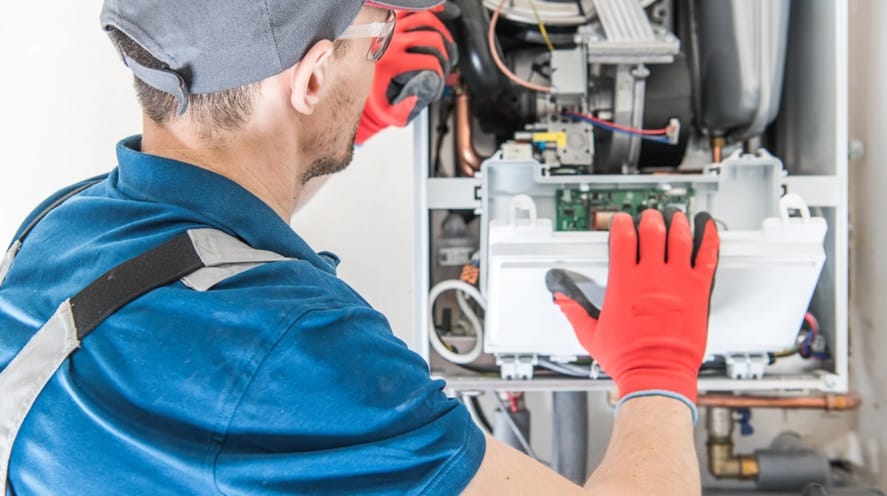
The service typically begins with a thorough assessment of your entire heating system. The technician will inspect your furnace, thermostat, filters, vents, and connections to identify any visible signs of damage or wear. This evaluation helps pinpoint the source of the issue and determines whether it’s mechanical, electrical, or airflow-related. Technicians use diagnostic tools to read error codes, test voltage, and check the ignition system. If your furnace has shut down or is underperforming, these early steps are essential to ruling out multiple causes and finding a targeted solution.

Clear Communication of Findings

Once the initial evaluation is complete, the technician will explain their findings in a straightforward manner. Whether it’s a malfunctioning blower motor, a cracked heat exchanger, or a clogged air filter, they will walk you through the problem and offer options for resolving it. Customers benefit from understanding the issue, the repair options, and the associated costs before work begins. Transparency at this stage allows for informed decisions without the pressure of unexpected surprises. Furnace problems and how to fix them often involve addressing issues like dirty filters, malfunctioning thermostats, pilot light failures, or blower motor problems, many of which require professional diagnosis and repair.

On-the-Spot Repairs When Possible

In many cases, minor to moderate furnace issues can be repaired during the same visit. Technicians carry a range of common replacement parts such as igniters, flame sensors, and capacitors to minimize downtime and restore comfort to your home quickly. If the repair requires specialty parts or significant system modifications, a follow-up appointment may be scheduled. In either case, you’ll receive a detailed breakdown of the work performed and any additional steps needed to complete the repair.

System Testing and Safety Checks

Once the repair is completed, the technician will restart your system and monitor its performance. They’ll confirm that airflow, temperature control, and cycling are operating as intended. Most importantly, they’ll perform safety checks to detect any carbon monoxide leaks, improper venting, or gas pressure issues. This final phase ensures your home remains both warm and safe after the repair.

Preventive Tips and Recommendations

Before leaving, professionals often offer guidance on how to maintain your system between service visits. This includes tips on regularly changing filters, scheduling seasonal tune-ups, and adjusting thermostat settings for optimal efficiency. Taking preventive measures to avoid costly furnace repairs can significantly extend the lifespan of your unit and reduce the likelihood of future breakdowns.

Conclusion

A furnace repair visit is more than a quick fix—it’s a comprehensive evaluation of your heating system’s health and performance. From diagnosing the issue to restoring functionality and advising on future maintenance, every step contributes to the comfort and safety of your home. When you schedule furnace repair, you’re investing in professional care that keeps your system running reliably when it matters most.

Historical Use of Asbestos in Furnaces

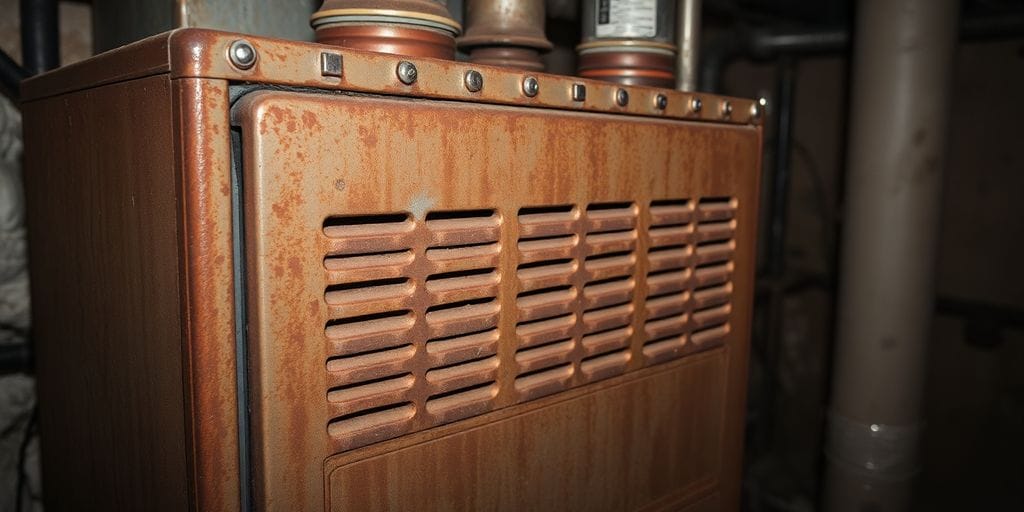
Back in the day, asbestos was the go-to material for many builders, especially in homes constructed before the 1980s. Why? Because it was cheap and great at resisting heat. Asbestos was commonly used in furnaces for its insulating properties. It was found in things like gaskets, heat shields, and duct insulation. The idea was to keep homes warm without the risk of fire. But as time went on, folks started realizing that this stuff was more dangerous than they thought.

Common Locations of Asbestos in Heating Units

If you’ve got an older furnace, there’s a good chance asbestos is lurking somewhere. Here are some places it might be hiding:

  • Ductwork: Often lined with asbestos paper or cloth.
  • Gaskets: Used to seal connections and prevent leaks.
  • Insulation: Wrapped around pipes and other components to keep the heat in.

These are just a few spots, but any place that needed heat resistance might have used asbestos.

Why Asbestos Was Used in Furnaces

So, why did they choose asbestos in the first place? The answer is pretty straightforward. Asbestos is incredibly resistant to heat and doesn’t burn easily. This made it perfect for furnaces, which needed to handle high temperatures without catching fire. Plus, it was cheap and easy to work with. At the time, it seemed like the perfect solution. But now, we know better. Asbestos exposure can lead to serious health issues, and it’s something homeowners need to be aware of, especially if they live in older homes.

Health Implications of Asbestos Exposure

Respiratory Diseases Linked to Asbestos

Asbestos exposure is a serious concern, primarily because it can lead to severe respiratory diseases. The fibers, when inhaled, can cause asbestosis, a chronic lung condition characterized by scarring of lung tissue. This results in symptoms like persistent coughing, chest pain, and shortness of breath. Lung cancer is another potential outcome, marked by unexplained weight loss, difficulty breathing, and continuous coughing. Mesothelioma, a rare cancer affecting the lung lining, is also a known risk of asbestos exposure, leading to chest and abdominal pain and swelling.

Long-Term Health Effects

The long-term health effects of asbestos exposure are particularly worrying because they might not manifest until many years after exposure. This latency period means that individuals might not be aware of the damage being done until it’s too late. Over time, the inhaled fibers can cause significant damage to the lungs and other organs, potentially leading to fatal diseases like mesothelioma and lung cancer. The risk increases with greater exposure, emphasizing the importance of minimizing contact with asbestos.

Symptoms of Asbestos-Related Illnesses

Recognizing the symptoms of asbestos-related illnesses can be challenging, as they often resemble those of other common respiratory conditions. However, some signs to watch out for include:

  • Persistent cough and chest pain
  • Shortness of breath and wheezing
  • Fatigue and loss of appetite
  • Unexplained weight loss

It’s crucial for individuals who suspect they have been exposed to asbestos to seek medical advice promptly. Early detection and intervention can make a significant difference in managing these health risks.

Identifying Asbestos in Your Home Furnace

Visual Signs of Asbestos

When trying to spot asbestos in your furnace, a few visual clues can be helpful. Asbestos insulation often looks corrugated or layered, similar to a honeycomb. Look for white or gray fibrous materials around the furnace or ductwork. However, remember that visual inspection alone isn’t foolproof since other materials can mimic asbestos’s appearance.

Age and Type of Furnace

The age of your furnace is a major indicator. Furnaces made before the 1980s are more likely to contain asbestos. If you have an old-style gravity furnace or an octopus furnace, there’s a higher chance of asbestos being present. These older models often used asbestos for insulation and heat resistance.

Professional Inspection and Testing

For a definitive answer, hiring a professional is the best route. A licensed asbestos inspector can conduct a thorough evaluation without disturbing the material. They can safely collect samples for laboratory testing, ensuring that any asbestos presence is confirmed accurately. If you’re unsure about your furnace, consulting experts is crucial to maintain a safe home environment.

Steps to Take If Asbestos Is Found in Your Furnace

Hiring an Asbestos Abatement Professional

If you suspect asbestos in your furnace, the first step is to hire a licensed asbestos abatement professional. These experts are trained to handle and dispose of asbestos safely. Hiring licensed asbestos abatement professionals is crucial because they can assess the situation, conduct tests, and develop a plan for safe removal or containment. They might advise you to vacate your home during the process to minimize exposure risk. Always follow their instructions closely to ensure the safety of everyone involved.

Safety Precautions for Homeowners

While waiting for professional help, it’s important to take certain safety precautions. Avoid disturbing any materials that may contain asbestos, as this can release harmful fibers into the air. Seal off the affected area if possible, and ensure that children and pets are kept away. Remember, improper handling of asbestos can pose serious health risks, so it’s best left to the professionals.

Legal and Regulatory Considerations

Dealing with asbestos also involves understanding the legal and regulatory framework. Homeowners should be aware of local regulations regarding asbestos removal and disposal. It’s essential to comply with these rules to avoid legal issues. Professionals you hire should be familiar with these regulations and ensure that the removal process adheres to them. This not only ensures safety but also helps in avoiding potential fines or legal complications.

The Process of Asbestos Abatement

Initial Assessment and Testing

Before any removal work begins, a thorough assessment of the area is conducted. This involves a detailed inspection to identify the presence and extent of asbestos materials. Professionals use specialized tools and techniques to take samples and test them in a lab, ensuring accurate identification of asbestos. This step is crucial to plan the abatement process safely and effectively.

Removal and Disposal Procedures

Once testing confirms asbestos presence, the removal process can begin. The area is sealed off to prevent the spread of asbestos fibers. Workers wear protective gear and use specialized equipment to carefully remove asbestos materials. The asbestos is typically disposed of rather than completely destroyed, involving a process that includes wetting the material. This step is crucial to prevent airborne contamination. The materials are then securely packed and transported to designated disposal sites.

Post-Abatement Safety Measures

After the removal, the area undergoes a thorough cleaning to ensure no asbestos fibers remain. Air quality tests are conducted to confirm the safety of the environment. It’s important to follow all safety guidelines and regulations during this phase to ensure the area is safe for occupancy. Homeowners are advised to follow up with regular inspections to maintain a safe environment.

Cost Considerations for Asbestos Removal

Factors Influencing Removal Costs

The cost of asbestos removal can vary significantly based on several factors. One of the primary determinants is the location of the asbestos within the home. If asbestos is present in hard-to-reach areas or requires special handling, the costs can increase. The size of the area affected also plays a crucial role; larger spaces generally mean higher costs. Additionally, local regulations and disposal fees can impact the overall expense. For instance, asbestos removal costs vary by state, with disposal fees ranging from $10 to $50 per cubic yard and permit costs between $50 and $100.

Average Costs of Asbestos Abatement

On average, the cost to remove asbestos from a furnace ranges between $5,000 and $12,500. This range covers the entire process from initial inspection to final disposal. It’s important to note that these figures can fluctuate based on the complexity of the project and the region. Homeowners should obtain multiple quotes from licensed abatement professionals to ensure they are receiving a fair price.

Financial Assistance and Insurance

Homeowners facing asbestos removal should explore financial assistance options. Some states offer grants or low-interest loans to help cover these costs. Additionally, it’s wise to check with your insurance provider to see if asbestos abatement is covered under your policy. While many standard home insurance policies do not cover asbestos removal, some might offer partial coverage or specific endorsements for hazardous material removal. Exploring these options can ease the financial burden of making your home safe.

Preventing Asbestos Exposure in Older Homes

Regular Maintenance and Inspections

Older homes, especially those built before the 1980s, often contain asbestos in various parts like insulation and heating systems. Regular maintenance and inspections are crucial to prevent asbestos exposure. Homeowners should schedule annual check-ups with professionals who can identify potential asbestos-containing materials. Look for signs of wear or damage, as these can release asbestos fibers into the air. If you suspect the presence of friable asbestos-containing products in your home, it’s crucial to consult a professional for safe removal.

Upgrading to Modern Heating Systems

One effective way to minimize asbestos risks is by upgrading old heating systems. Older furnaces, especially those predating the 1980s, might harbor asbestos. Replacing these with modern, asbestos-free systems can significantly reduce exposure risks. During replacement, ensure the process is handled by experts to prevent asbestos fibers from being released into the air. To prevent asbestos fibers from being released into the air, it is essential to maintain materials in good condition or to remove and replace them.

Educating Homeowners on Asbestos Risks

Awareness is key in preventing asbestos exposure. Homeowners should educate themselves about the risks associated with asbestos and how to handle potential hazards. Workshops and informational sessions can be beneficial. Homeowners should learn to recognize signs of asbestos deterioration and understand the importance of professional intervention. By staying informed, they can make safer choices for their homes and families.

The Role of Professionals in Managing Asbestos Risks

Qualifications of Asbestos Abatement Experts

When dealing with asbestos, it’s crucial to rely on certified professionals. These experts are trained to handle the complexities of asbestos removal, ensuring every step is executed safely. Certification is essential, as it guarantees that the individual has undergone rigorous training and testing. Look for professionals who are not only certified but also have a solid track record in asbestos abatement. They should be well-versed in local regulations and safety protocols, which are vital for effective management.

Choosing the Right Professional for the Job

Selecting the right professional can make a significant difference in the outcome of an asbestos project. Here are some steps to consider:

  1. Check Credentials: Verify the professional’s certification and experience.
  2. Request References: Speak to past clients to gauge their satisfaction with the work done.
  3. Get Multiple Quotes: Compare prices and services to ensure you’re getting a fair deal.
  4. Discuss the Plan: Make sure they provide a detailed plan of action and timeline for the project.

Importance of Professional Guidance

Professional guidance is key when managing asbestos risks. Experts provide a comprehensive asbestos risk assessment to identify potential hazards and recommend solutions. They ensure that all safety measures are in place to protect both the workers and the residents. With their help, homeowners can avoid the dangers of improper handling and disposal of asbestos materials. Relying on professionals not only ensures safety but also compliance with legal requirements, making it a wise choice for any homeowner concerned about asbestos exposure.

Legal and Environmental Aspects of Asbestos Use

Regulations Governing Asbestos Use

The use of asbestos has been heavily regulated in many parts of the world due to its health risks. In fact, asbestos is banned in over 50 countries. The United States plans to ban the use of chrysotile asbestos by 2024. This move reflects growing concerns about the dangers associated with asbestos exposure, including diseases like lung cancer and mesothelioma. Regulatory bodies have established strict guidelines for handling and disposing of asbestos to protect public health and the environment.

Environmental Impact of Asbestos

Asbestos does not just pose a threat to human health; it also affects the environment. When asbestos materials are improperly handled or disposed of, fibers can be released into the air, contaminating soil and water sources. This can lead to widespread environmental pollution, impacting flora and fauna. The persistence of asbestos in the environment necessitates stringent measures to prevent its release and ensure safe disposal practices.

Future Trends in Asbestos Management

The future of asbestos management is likely to be shaped by technological advancements and stricter regulations. Innovations in asbestos detection and removal are expected to improve safety and efficiency in dealing with asbestos-containing materials. Moreover, the EPA’s recent ban on chrysotile asbestos indicates a shift towards more comprehensive policies aimed at eliminating asbestos use altogether. As awareness grows, more countries might follow suit, leading to a global decline in asbestos-related risks.

Technological Advances in Asbestos Detection and Removal

Innovations in Asbestos Testing

In recent years, there have been significant strides in asbestos testing technology. One of the most notable advancements is the use of Transmission Electron Microscopy (TEM). TEM is often regarded as the gold standard for asbestos detection. By utilizing electron beams, it provides a precise analysis of asbestos fibers, ensuring accuracy in identifying their presence. This technological leap not only enhances the effectiveness of asbestos testing but also contributes to creating safer environments by accurately pinpointing asbestos locations.

New Methods for Safe Removal

The process of removing asbestos has also seen technological improvements. Robotic technologies have been introduced to safely eliminate asbestos, reducing the risk of exposure to workers. These robots can maneuver into tight spaces and perform removal tasks that would otherwise pose a danger to human workers. Additionally, the use of HEPA filters, which can capture 99.97% of asbestos fibers, has become a staple in modern asbestos abatement projects. Recent advancements in these filters have improved their efficiency, making the removal process safer and more reliable.

Impact of Technology on Asbestos Management

The integration of technology in asbestos management has transformed how asbestos is detected and removed. These advancements have made the process more efficient and less hazardous. With the aid of cutting-edge tools and methods, asbestos management is not only more precise but also less intrusive. This means that homeowners and workers alike can have greater peace of mind knowing that the risks associated with asbestos are being managed with the utmost care and precision. The ongoing development in this field continues to promise even safer and more effective strategies for dealing with asbestos in the future.

Community Resources and Support for Asbestos Concerns

Local Health Departments and Agencies

Local health departments are often the first point of contact for individuals concerned about asbestos in their homes. These agencies provide essential information on the health risks associated with asbestos exposure and can direct homeowners to appropriate testing services. Collaboration with local agencies can be crucial in managing asbestos-related issues efficiently. In many areas, these departments offer:

  • Guidance on identifying potential asbestos sources in the home.
  • Assistance in finding certified asbestos abatement professionals.
  • Educational materials to inform the public about asbestos risks and safety measures.

For those residing in the U.S., contacting the EPA Region 6 office can also be a valuable step in understanding regulatory requirements and getting further assistance.

Support Groups for Affected Individuals

Dealing with asbestos exposure can be challenging, both physically and emotionally. Support groups offer a platform where affected individuals can share their experiences and find solace among peers facing similar issues. These groups often provide:

  • Emotional support and counseling services.
  • Information on medical treatments and healthcare providers.
  • Opportunities to participate in advocacy efforts aimed at raising awareness about asbestos dangers.

The Asbestos Disease Awareness Organization (ADAO) is one such group that serves as a unified voice for asbestos victims and concerned citizens in the U.S.

Educational Programs and Workshops

Educational initiatives play a vital role in preventing asbestos exposure. Many community centers and local organizations host workshops designed to educate the public about asbestos risks and safe handling practices. These programs typically cover:

  • The history and use of asbestos in household products.
  • Methods for safely managing and removing asbestos-containing materials.
  • Legal rights and resources available to those impacted by asbestos exposure.

By participating in these programs, homeowners can gain a better understanding of how to protect themselves and their families from the dangers of asbestos.

Websites

Mesothelioma Fund

Mesothelioma Hub

Mesothelioma Lawyer Center

Mesothelioma Help

Lung Cancer Group

Weitz and Luxenberg

Gori Law

Dolman Law

Mesothelioma.Net

Tor Hoerman Law

Mesothelioma Guide

Mesothelioma Hope

Robert King Mesothelioma Law Services
 

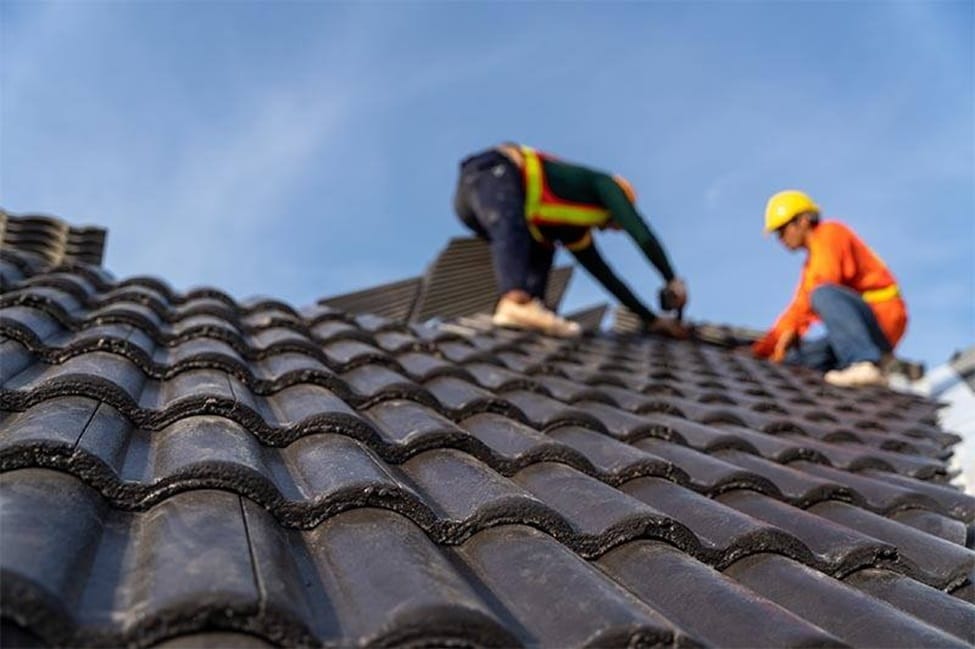
Wisconsin’s unpredictable climate, characterized by harsh winters and humid summers, poses significant challenges to the durability and longevity of residential roofs. Identifying when to engage a professional roofer is essential for maintaining your home’s structural integrity and preventing costly repairs. The following are critical indicators that signal the need for a professional roofer in Wisconsin.

1. Roof Age

A professional inspection is recommended as your roof approaches the 20-year milestone. Given the severe weather conditions typical of Wisconsin, more frequent evaluations may provide added benefit. A qualified roofing expert can offer valuable insights into the condition of your roof and advise you on necessary repairs or potential replacement to ensure its continued durability.

2. Shingle Issues

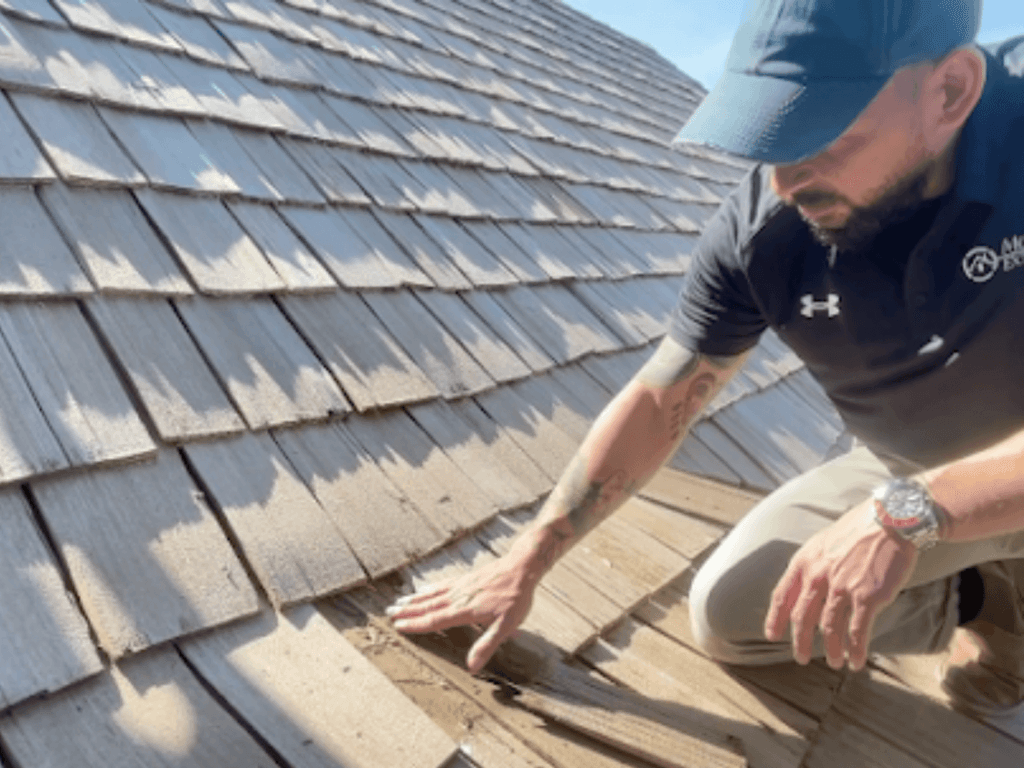
Detecting roof damage can often be as straightforward as assessing visible shingle conditions. Watch for missing, cracked, or curling shingles, as extreme weather—from strong winds to heavy snowfall—can accelerate shingle deterioration. Timely intervention is critical to prevent water infiltration, which could lead to mold growth and further structural damage.

3. Water Damage Risks

Indications of water damage, such as dampness in the attic or discoloration on the ceiling, warrant immediate attention. Roof leaks may arise from various factors, including aged roofing materials, improper flashing installation, or failure of sealants. Prompt action upon discovering a leak is essential in mitigating further damage.

4. Granule Loss

The granules on asphalt shingles provide crucial protection against weather and UV exposure. Finding granules in your gutters or on the ground is a sign that your shingles may require maintenance. A lack of granules increases vulnerability to damage and leaks, necessitating swift action from experienced roofing professionals.

5. Roof Decay or Sagging

A sagging or drooping roof requires urgent evaluation by a roofing expert. Such a condition may result from weakened support systems, water damage, or insufficient attic support. Ignoring a sagging roof can pose serious safety risks and should be addressed immediately.

6. Ice Dam Formation

Ice dams occur when melted snow refreezes at the edges of the roof, obstructing proper drainage. This obstruction can lead to water intruding into the structure, resulting in significant damage. Ice dams are particularly prevalent in Wisconsin’s severe winter months; thus, consulting a seasoned contractor can help address and prevent them through improved ventilation and insulation solutions.

7. Organic Growth

The presence of moss, algae, or mold on your roof can indicate underlying water issues or poor ventilation. These organisms not only diminish the aesthetic appeal of your home but can also compromise the roofing structure’s integrity over time. Prompt treatment is imperative; a qualified roofing professional can effectively remove these growths and recommend strategies to enhance ventilation, safeguarding against future problems.

Selecting a Trustworthy Wisconsin Roofer

Understanding the appropriate time to consult a roofing professional is crucial for ensuring the durability and structural soundness of your home’s roof. If you observe signs of roof damage, such as missing shingles, leaks, or sagging, it is vital to seek expert assessment promptly. This proactive measure not only helps to avert more serious issues but also extends the lifespan of your roof. By selecting a reputable roofing contractor, you can ensure that your home remains secure, dry, and well-prepared to withstand Wisconsin’s extreme weather conditions.

A properly functioning furnace becomes crucial to maintaining comfort and safety in your home as the temperature drops. However, furnaces can experience several issues, especially in cold climates. Addressing these problems proactively with furnace maintenance at Rosemount can save time, money, and stress. This article explores common furnace problems and practical prevention tips.

Common Furnace Problems in Cold Climates

Ignition or Pilot Light Issues

A furnace that fails to ignite correctly often leads to inadequate heating. Common causes include dirty burners, faulty ignition systems, or problems with the thermocouple. In gas furnaces, this issue can result in incomplete combustion, reducing energy efficiency.

Dirty or Clogged Filters

Filters are critical for maintaining airflow and ensuring the system runs efficiently. When filters are dirty or clogged, they strain the furnace, leading to reduced efficiency and even overheating.

Frequent Cycling

Frequent on-and-off cycling can signal an issue with the thermostat, airflow, or overall furnace capacity. This not only wastes energy but can also cause undue wear on the system components.

Blower Motor Problems

The blower motor is essential for distributing warm air throughout your home. If it malfunctions due to wear, dirt, or lubrication issues, you may notice inconsistent heating or strange noises.

Cracked Heat Exchanger

In colder regions, furnaces often operate continuously for extended periods. Over time, this stress can cause cracks in the heat exchanger, leading to carbon monoxide leaks—a serious health and safety hazard.

How to Prevent Furnace Issues

Schedule Regular Maintenance

The best way to avoid furnace breakdowns is to invest in routine inspections and tune-ups. Professional furnace maintenance Rosemount services can identify potential issues early and ensure your system runs smoothly during winter.

Change Filters Regularly

Replacing filters every 1-3 months, depending on usage, can significantly improve airflow and system efficiency. Clean filters help prevent dust buildup and overheating.

Seal and Insulate Your Home

A well-insulated home reduces the strain on your furnace by maintaining indoor temperatures. Check for drafts around windows, doors, and vents, and use caulking or weatherstripping to seal gaps.

Monitor the Thermostat

Ensure your thermostat is set correctly and functioning properly. Smart thermostats can optimize energy use and reduce wear on your furnace by avoiding unnecessary cycling.

Address Repairs Promptly

If you notice unusual sounds, uneven heating, or increased energy bills, contact a professional immediately. Delaying repairs can exacerbate problems and lead to costly breakdowns.

Additional Tips for Prolonging Furnace Life

  • Keep the Area Around the Furnace Clear

Maintain at least three feet of clearance around your furnace to ensure proper ventilation and prevent accidental damage.

  • Avoid Overworking the System

On particularly cold days, layering clothing and using space heaters can reduce reliance on your furnace, prolonging its life span.

  • Test Carbon Monoxide Detectors

Since cracked heat exchangers can lead to carbon monoxide leaks, regularly test your detectors to ensure your family’s safety.

Also read: The Ultimate Guide to Choosing the Right Furnace for Your Home

Conclusion

Living in cold climates demands a reliable furnace to ensure comfort and safety. By addressing potential issues early and following preventative measures like regular furnace maintenance Rosemount; you can keep your system running all winter efficiently. Investing in proper care and timely repairs will extend the life of your furnace and keep your home warm and secure.

Buyers Agent Sydney services are becoming increasingly essential in today’s real estate landscape, especially as Sydney’s housing market remains one of the most competitive and expensive globally. Known for its breathtaking harbour views, iconic landmarks, and urban vibrancy, Sydney attracts homebuyers and investors alike. However, this demand comes with skyrocketing prices, fierce competition, and complex buying processes that can overwhelm even seasoned buyers.

For those navigating this challenging environment, buyer agents offer invaluable expertise and support. Acting exclusively in the buyer’s best interests, they help secure the right property at the right price. A buyer’s agent is indispensable in Sydney’s overpriced housing market.

  1. The Complexity of Sydney’s Housing Market

Sydney’s property market is straightforward. Its diverse suburbs, varying property values, and ever-evolving trends make it challenging for most buyers to navigate alone.

  • Skyrocketing Prices: Sydney’s median house price exceeded $1.5 million in 2024, making affordability a critical issue for buyers. Without professional guidance, it’s easy to overpay.
  • Fierce Competition: High demand and limited supply mean properties are often sold within days or hours, leaving unprepared buyers disadvantaged.

Buyer agents bring clarity and structure to this chaos. Their expertise allows them to identify opportunities, act quickly, and ensure clients remain competitive in a fast-moving market.

  1. Access to Off-Market Properties

Some of Sydney’s most desirable properties are private. Known as off-market properties, these homes are sold through private networks and are often available only to a few buyers.

Buyer agents, through their extensive networks, which include real estate agents, developers, and property sellers, have access to these hidden opportunities. This advantage allows clients to explore exclusive properties without the stress of competing at public auctions.

  1. In-Depth Market Knowledge

Buyer agents specialize in Sydney’s real estate market, offering deep insights into pricing, trends, and neighbourhood characteristics. This expertise ensures that buyers make informed decisions.

  • Suburb Analysis: Agents assess factors like schools, transport, and amenities to recommend neighbourhoods that suit a buyer’s lifestyle and long-term goals.
  • Accurate Pricing: Using market data and comparative sales analysis, buyers agents evaluate whether a property is priced relatively, preventing clients from overpaying.
  1. Skilled Negotiation to Save You Money

Negotiating property prices in Sydney can be daunting, especially in a seller’s market where demand often exceeds supply. Buyer agents excel in securing favourable deals through:

  • Strategic Negotiations: They craft negotiation tactics tailored to the seller’s motivations and the market climate.
  • Removing Emotion: Emotional decisions during negotiations can lead to overspending. Buyer agents remain objective, ensuring their clients stay within budget.
  1. Time-Saving for Busy Buyers

Searching for properties, attending inspections, and handling negotiations are time-intensive tasks. Buyer agents streamline the process by:

  • Shortlisting Properties: Identifying homes that meet the client’s criteria, saving hours of searching.
  • Managing Inspections: Attending open houses and reporting critical details to the buyer.
  • Handling Logistics: Organizing contracts, building inspections, and liaising with solicitors to ensure a smooth transaction.

This efficiency lets buyers focus on their priorities while the agent handles the details.

  1. Expertise in Auction Representation

Auctions dominate Sydney’s real estate market and can be intimidating for inexperienced buyers. Buyer agents act as advocates, representing clients and implementing proven bidding strategies to secure properties at competitive prices. They also ensure buyers avoid overpaying by sticking to a pre-determined budget.

  1. Avoiding Costly Mistakes

The complexities of Sydney’s housing market can lead to costly mistakes for unprepared buyers. Buyer agents help avoid pitfalls such as:

  • Overpaying for Properties: Their pricing expertise ensures clients pay a fair market value.
  • Choosing Poor Locations: Agents evaluate a neighbourhood’s growth potential to avoid purchasing in areas that may devalue.
  • Overlooking Legal Details: They collaborate with solicitors to review contracts, ensuring all legal requirements are met.
  1. Long-Term Value and Investment Guidance

For many buyers, the property is both a home and a financial investment. Buyer agents guide properties with solid capital growth potential, rental yield opportunities, or renovation prospects, ensuring the purchase aligns with the buyer’s financial goals.

Final Thoughts

In Sydney’s competitive and overpriced housing market, hiring a buyer’s agent is not just a convenience—it’s a smart investment. Their expertise, negotiation skills, and access to exclusive properties can save buyers both time and money. For those seeking to navigate the real estate landscape with confidence, a buyer’s agent offers unmatched value.

Whether you’re a first-time buyer, an investor, or upgrading to your dream home, a buyers agent in Sydney can help you secure the right property at the right price.


Your roof is one of the most critical components of your home, protecting you and your belongings from the elements. Over time, even the most durable roofs will show signs of wear and tear. Knowing when to replace your roof can save you from costly repairs and protect your home from further damage. Here are the key signs it may be time for a roof replacement and what to look for during inspections.

1. Shingle Damage

Shingles are your roof’s first line of defense, so any issues with them should be addressed promptly. Common signs of damage include:

  • Curling or cracking: These indicate aging shingles or exposure to extreme weather.
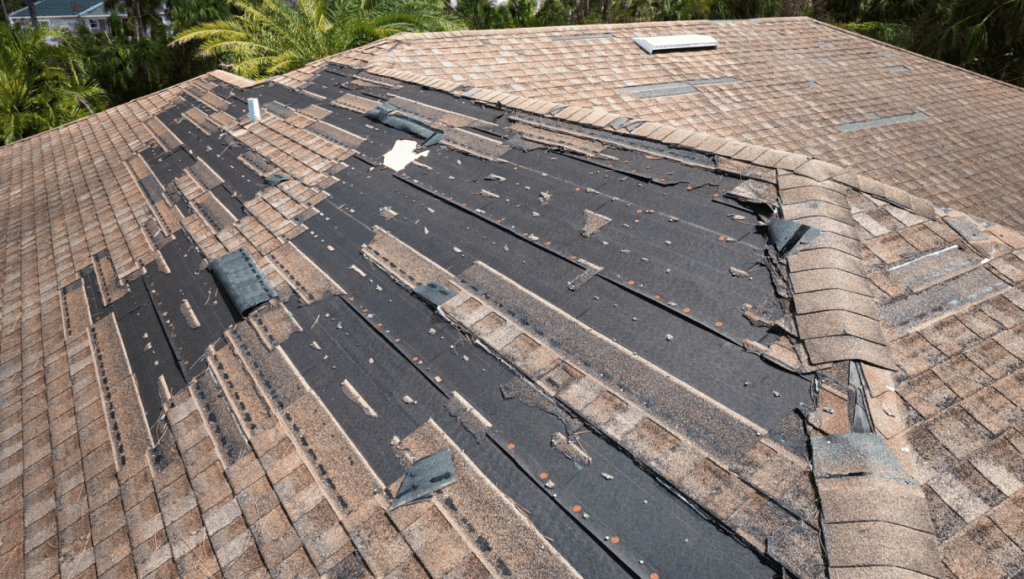
  • Missing shingles: Bare spots on your roof leave it vulnerable to water damage.
  • Excess granules: If you notice granules accumulating in your gutters, it’s a sign your shingles are deteriorating.

2. Roof Leaks and Water Damage

Water stains on your ceilings or walls are often a sign of a leaking roof. In severe cases, leaks can lead to mold growth or structural issues. While minor leaks can sometimes be patched, extensive water damage often necessitates a full roof replacement.

3. Sagging Roof Structure

A sagging roof deck is a significant warning sign that your roof needs immediate attention. This could indicate trapped moisture, structural damage, or weakened support beams. Ignoring this problem could lead to more serious—and costly—repairs.

4. High Energy Bills

If your heating or cooling costs are rising unexpectedly, your roof may be to blame. Poor insulation caused by an aging or damaged roof can make your home less energy-efficient, forcing your HVAC system to work harder.

5. Age of Your Roof

Most roofs have a lifespan of 20–30 years, depending on the materials used. If your roof is nearing or surpassing its expected lifespan, even if it looks fine, it’s time to consider a replacement. Older roofs are more prone to sudden failures.

6. Moss or Algae Growth

While moss and algae growth may seem cosmetic, they can cause moisture to accumulate on your roof, weakening its structure over time. Persistent growth can also signal underlying moisture problems.

7. Visible Light in the Attic

If you notice sunlight streaming through your roof boards in the attic, it’s a clear indication of holes or gaps in your roof. These issues require immediate attention to prevent water infiltration and further damage.

Protect Your Home with a New Roof from NextDoor Exterior Solutions

If you’ve noticed any of these warning signs, don’t wait until it’s too late! At NextDoor Exterior Solutions, we provide expert roof replacement services designed to meet the needs of homeowners in your area.

Our team of professionals is ready to assess your roof’s condition and recommend the best solution to keep your home safe and secure.

Contact us today for a free roof inspection! Call us or visit our website to schedule your consultation. Protect your home with the care and quality you deserve.

This post was written by a professional at NextDoor Exterior Solutions. Looking for reliable roofing contractors in Clearwater, FL and its surrounding areas? Look no further than NextDoor Exterior Solutions! Our experienced team of roofers is dedicated to providing top-notch roofing services near you. Whether you need roof repair, replacement, or installation, we’ve got you covered. Plus, as a solar energy company near you, we can even help you save money on your energy bills with our expert solar panel installation services. The mission and values of our company allow us to always demonstrate the full potential of our professionalism. You can rely on us for quality. Don’t settle for subpar roofing services – choose NextDoor Exterior Solutions and experience the difference. Click here for more information!


Any house would benefit much from a well-designed swimming pool, but keeping its attractiveness and usefulness depends on knowledge. In this sense, pool builders are indispensable since they not only build the pool but also guarantee its continuous condition. Knowing the value of pool builders for maintaining their pool will enable homeowners to maximize their pool purchase.

Pool Design and Equipment Expertise

Crucially for upkeep, pool builders have a great awareness of the design and construction of pools. They are aware of how every element—including heating systems, filters, and pumps—works in concert to keep a pool running. Their knowledge lets them see issues early on and suggest workable fixes.

Regular Maintenance Services

Most pool builders offer ongoing maintenance services to ensure pools stay in good condition. These services often include water testing, cleaning, and equipment inspections. Having the professionals who built the pool handle maintenance ensures it is performed according to the pool’s unique specifications.

The Part Pool Builders Play in Pool Maintenance

Any house would benefit much from a well-designed swimming pool, but keeping its attractiveness and usefulness depends on knowledge. In this sense, pool builders are indispensable since they not only build the pool but also guarantee its continuous condition. Knowing the value of pool builders for maintaining their pool will enable homeowners to maximize their pool purchase.

Pool Design and Equipment Expertise

Crucially for upkeep, pool builders have a great awareness of the design and construction of pools. They are aware of how every element—including heating systems, filters, and pumps—works in concert to keep a pool running. Their knowledge lets them see issues early on and suggest workable fixes.

Water Quality

Maintaining clean and safe water is a key aspect of pool maintenance. Pool builders understand the chemistry involved in balancing pH levels, chlorine, and other chemicals. They can guide homeowners on proper chemical usage or provide water treatment services to ensure safe swimming conditions.

Seasonal Maintenance

Seasonal maintenance of pools calls for specialized treatment. Pool builders can winterize the pool during the off-season by making sure it is covered, emptied, and shielded from below freezing temperatures. They can ready the pool by cleaning it and verifying its systems as the swimming season draws near.

Training and Education

Some pool builders teach consumers how to handle simple maintenance chores such skimming trash and changing chemical levels. This lets pool owners participate actively in upkeep of their pools while leaving more difficult jobs to the experts.

Cost Savings Over the Long Term

Working with pool builders for maintenance can help homeowners avoid costly repairs and extend the life of their pools. Regular inspections and timely repairs reduce the risk of significant damage, ensuring the pool remains a valuable and enjoyable feature of the property.

Conclusion

Pool builders provide knowledge beyond building and are therefore rather important for pool maintenance. Their offerings guarantee pools are safe, practical, and aesthetically pleasing from routine cleaning and maintenance to water quality management and improvements. Working with a qualified pool builder allows homeowners to safeguard their investment and enjoy worry-free swimming for many years to come.

Florida Pool Patio is a second-generation company that comprises of engineering professionals with a top-notch team. Our team has built a reputation for providing a positive experience and satisfied clientele with the latest technology. Our Miami pool builders will not settle merely building pools and patios; we want to positively impact the environment and benefit our clients from our knowledge. From construction to maintenance to outstanding customer service, we will never settle for less than the best.

During hurricane season, Ocala homeowners face increased risks of electrical hazards due to intense storms, flooding, and power outages. Statistics reveal that electrical-related incidents often rise during hurricane season as high winds and flooding damage power lines and home wiring systems. In Ocala, residents must contend with common electrical risks like downed power lines, water exposure to electrical outlets, and surge damage. Being aware of these dangers is the first step toward effective preparation and protection.

Preparing Your Home’s Electrical System for Hurricane Season

To safeguard your home against electrical hazards, start by inspecting and upgrading your electrical system. Engage a licensed electrician to ensure wiring, outlets, and circuit breakers are up to code. Installing essential equipment such as whole-home surge protectors and backup generators can provide added security. Surge protection shields your electronics and appliances from sudden spikes, while a generator offers backup power during outages. Prioritize hurricane preparedness by scheduling a pre-season electrical system inspection to address potential vulnerabilities.

Best Practices for Electrical Safety During a Hurricane

When a hurricane approaches, implement crucial storm safety tips to reduce risks. Begin by unplugging major appliances to prevent damage from power surges, which often occur before or after a storm. For those using generators, adhere to generator safety guidelines: operate generators outdoors to avoid carbon monoxide buildup, use proper extension cords, and never plug a generator directly into a wall outlet. Keep in mind that avoiding water exposure is essential, as even a small amount of moisture can cause significant electrical hazards. By following these practices, you can help protect your family and your property.

What to Do After the Hurricane: Electrical Safety Checklist

After a hurricane, it’s vital to inspect your home for any electrical hazards. Use this post-storm safety checklist to guide you:

  1. Check for downed power lines around your property and report any issues.
  2. Avoid stepping into floodwaters that may be in contact with electrical outlets.
  3. Inspect your breaker box for any unusual odors, sounds, or visible damage.
  4. Examine appliances and cords for signs of water damage or scorch marks.

This electrical inspection checklist will help you identify issues before they escalate. Refrain from turning on power or plugging in appliances until you’re certain it’s safe to do so.

When to Call a Professional Electrician in Ocala

Sometimes, the safest choice is to bring in a licensed electrician. If your home’s electrical system shows signs of damage, or if any appliances have come into contact with water, professional safety checks are crucial. Certified electricians offer reliable electrical repair services, ensuring that your home meets safety standards post-storm. Never attempt DIY repairs with electrical wiring or equipment after a hurricane; this can be dangerous and lead to long-term hazards.

Conclusion: Staying Safe and Prepared During Hurricane Season in Ocala

In Ocala, proactive preparation is key to navigating hurricane season safely. By understanding potential risks, preparing your electrical system, and following best practices during and after storms, you can protect your home and family from electrical hazards. Take the time to inspect, prepare, and, when needed, call in a professional. Being prepared ensures that you’ll weather hurricane season with confidence, knowing your electrical system is safe and secure.

Keeping your roof in peak condition is essential for protecting your home from the elements. Professional roofing maintenance services offer a proactive way to keep your roof strong and resilient, ensuring that it lasts for many years. In this post, we’ll explore the top benefits of hiring a roofing maintenance service and why investing in this service is a smart choice for homeowners.

  1. Prolongs Roof Lifespan

A roof is a significant investment, and regular maintenance can help you maximize its lifespan. Professional maintenance services involve inspections and minor repairs that address issues before they escalate. By catching these problems early, roofing professionals prevent further damage, saving you from costly replacements and extending your roof’s life by years.

  1. Reduces Long-Term Repair Costs

Routine maintenance helps identify and resolve small problems, such as cracked shingles, leaks, and flashing damage, before they worsen. Minor repairs are far more affordable than extensive repairs or full roof replacements. Investing in professional maintenance services reduces the likelihood of facing emergency repairs, which often come with high costs due to their urgency.

  1. Increases Energy Efficiency

A well-maintained roof provides better insulation, which can have a significant impact on your energy bills. Proper insulation and a damage-free roof keep heat inside during winter and out during summer, reducing your heating and cooling costs. When roofing professionals inspect your roof, they can identify areas where insulation may be weak and make recommendations to improve energy efficiency.

  1. Enhances Curb Appeal

Your roof plays a major role in the appearance of your home. Missing shingles, discoloration, or sagging areas can make your house look worn and neglected. Regular maintenance helps keep your roof looking its best, enhancing curb appeal and maintaining property value. This is especially important if you’re considering selling your home in the future, as a well-maintained roof is attractive to potential buyers.

  1. Ensures Safety

A damaged roof can pose safety risks, particularly if there are weak spots or structural issues. Roof leaks can lead to mold growth or water damage inside your home, which may cause health problems for your family. Professional roofing maintenance ensures that any potential hazards are identified and resolved promptly, keeping your home safe and secure.

  1. Warranty Protection

Many roofing materials come with warranties, but those warranties often require regular maintenance to remain valid. Professional roofing maintenance services can help you stay compliant with warranty terms, ensuring that you’re covered in the event of a material defect or other issues. By maintaining a record of professional service, you protect your investment and warranty.

Protect Your Roof, Protect Your Home

Hiring a professional roofing maintenance service is one of the best steps you can take to protect your home and investment. By extending the life of your roof, reducing repair costs, and boosting energy efficiency, routine maintenance makes a big difference in the long run.

Ready to keep your roof in top condition? Contact Old Time Roofing today for a professional roofing maintenance service that ensures peace of mind. Schedule your consultation now and enjoy the benefits of a well-maintained roof.

This post was written by Ted Williams! Ted is the owner of A Old Time Roofing, one of the best roofing companies in Saint Petersburg, FL! Ted is a Master Elite Weather Stopper GAF Roofing Contractor, a double award winner of Best Steep-Slope Contractor from GAF and achiever of Master Elite Consumer Protection Excellence from GAF. He has been serving the Pinellas County area since 1978. Old Time Roofing has a tradition of quality workmanship, servicing residential and commercial properties.


Industrial HVAC systems are pivotal in maintaining a productive and safe environment in extensive facilities. When it’s time for replacement, it’s crucial to approach the process with precision to avoid common pitfalls. The focus on industrial HVAC replacement in Oklahoma City highlights the importance of expert handling to guarantee efficiency and longevity.

Understanding the Specific Needs

One of the primary mistakes facilities make during HVAC replacement is failing to assess their specific needs fully. Each industrial environment has unique requirements based on size, operation type, and climate conditions. A careful evaluation can help select a system that meets current demands and accommodates future growth. Consulting with professionals who provide mechanical services in Oklahoma City can offer valuable insights into the best options.

Importance of Proper Sizing

Another standard error is improper sizing of the HVAC system. Both undersized and oversized systems can lead to inefficiencies. An undersized system may need help maintaining desired temperatures, while an oversized system can cycle on and off too frequently, leading to increased wear and tear. Conducting a detailed load analysis is essential to determine the appropriate capacity for the facility.

Prioritizing Energy Efficiency

In today’s energy-conscious world, selecting an energy-efficient HVAC system is more important than ever. Newer models often offer advanced features that significantly reduce energy consumption. This not only lowers operational costs but also supports sustainability initiatives. Integrating technologies such as energy recovery ventilation can further enhance efficiency.

Ensuring Quality Installation

The installation phase is critical to successfully operating a new HVAC system. Poor installation can negate the benefits of even the most advanced systems. Working with experienced technicians who adhere to industry standards and best practices is essential. Regular training and certification updates for installers can make a significant difference.

Planning for Maintenance

Post-installation, a robust maintenance plan is vital for extending the lifespan of the HVAC system. Regular inspections, filter changes, and system diagnostics can prevent minor issues from escalating into major problems. Establishing a maintenance schedule with professionals ensures the system remains in peak condition, contributing to uninterrupted industrial operations.

Leveraging Technological Advancements

With rapid advancements in HVAC technology, it’s beneficial to consider systems incorporating innovative technology. Features like remote monitoring and automated diagnostics can provide real-time insights and alerts, allowing for proactive maintenance and adjustments. This can lead to improved performance and reduced downtime.

Conclusion

Avoiding common mistakes in industrial HVAC replacement involves careful planning, informed decision-making, and collaboration with experts. By focusing on system needs, proper sizing, energy efficiency, quality installation, and ongoing maintenance, industries can ensure their HVAC systems contribute positively to operational goals. As facilities evolve, embracing new technologies and methodologies will be vital to maintaining a competitive edge.

Frequently Asked Questions

1. Why is proper sizing important in industrial HVAC replacement?

Proper sizing of an HVAC system is crucial because both undersized and oversized systems can lead to operational inefficiencies. An undersized system may not adequately heat or cool a facility, while an oversized system can cycle too frequently, causing increased wear and tear. A detailed load analysis helps determine the appropriate size, ensuring optimal performance and energy efficiency.

2. How does energy efficiency benefit industrial HVAC systems?

Energy-efficient HVAC systems reduce operational costs by consuming less energy, which also helps in lowering the facility’s carbon footprint. These systems often include advanced technologies that enhance performance and sustainability, aligning with modern energy conservation goals.

3. What role does maintenance play after HVAC replacement?

Regular maintenance is essential to extend the lifespan of a new HVAC system. It includes inspections, filter changes, and diagnostics to catch and address issues early on. A well-maintained system operates more efficiently and reliably, reducing the risk of unexpected downtime.