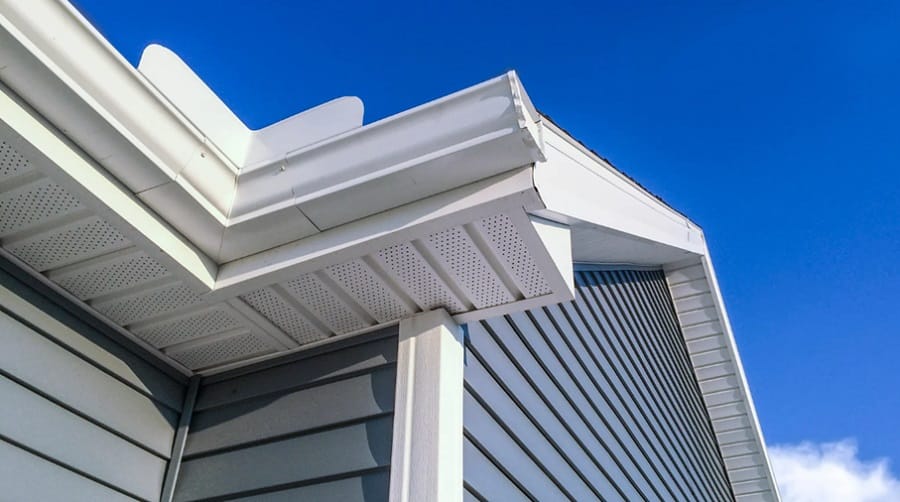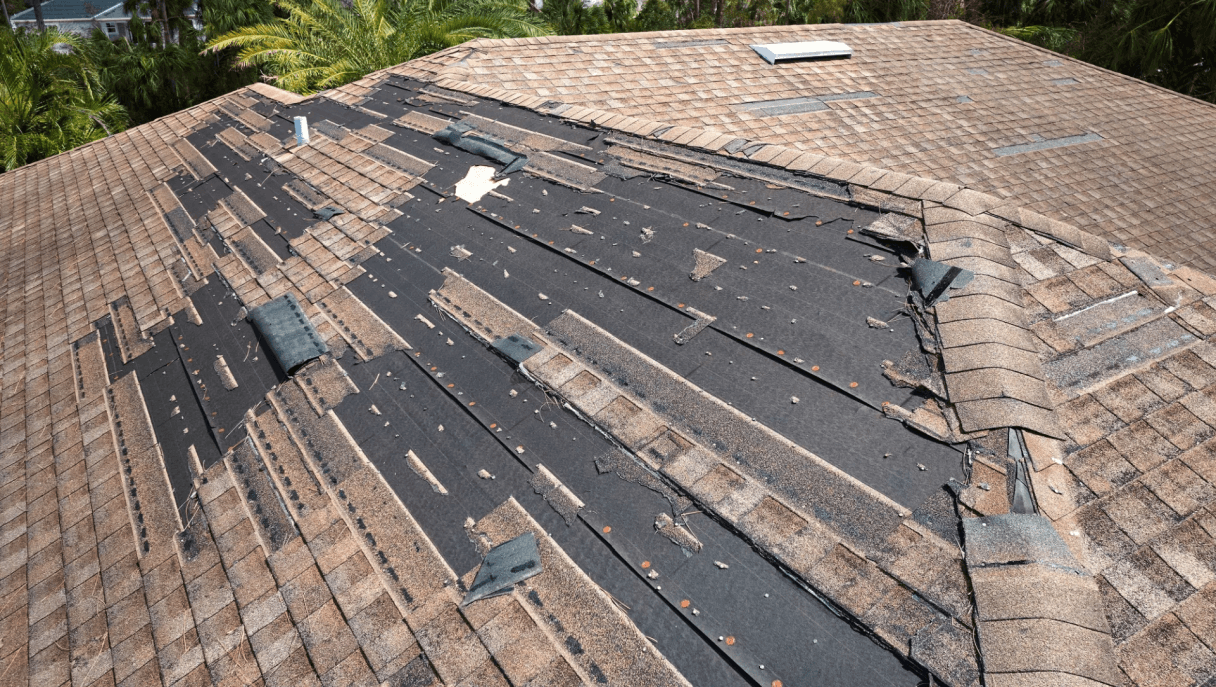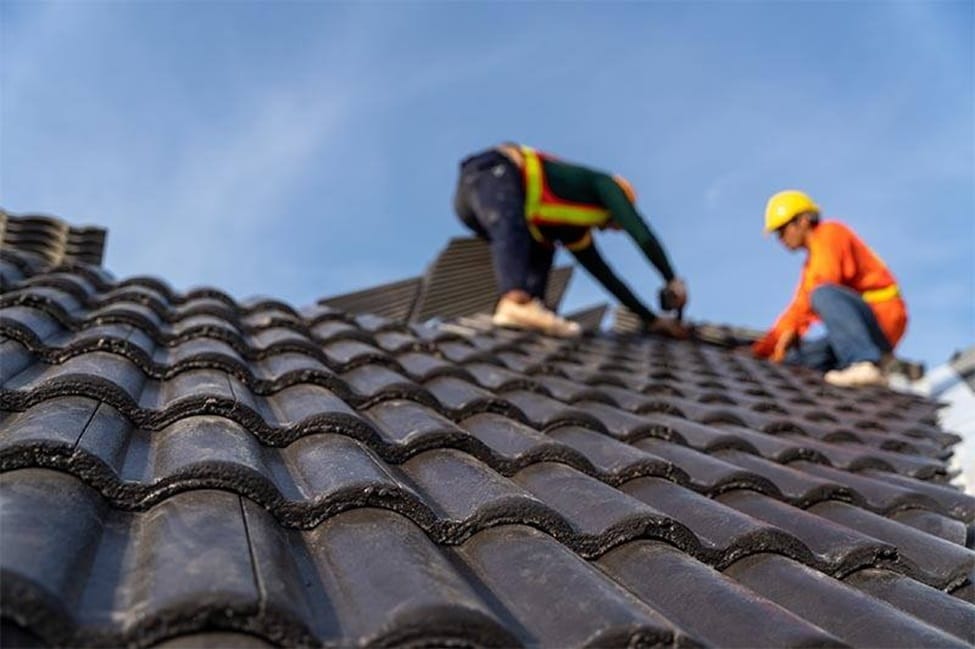


Most people think of shingles and gutters when it comes to the anatomy of a roof as the primary parts. Some important elements that go unnoticed. The roof flashing material protects the home from water damage.
Roof waterproofing material
The roof waterproofing material is made of different materials, such as:
- metal
- aluminum
- copper
They are installed where the roof meets other surfaces, such as:
- at joints
- intersections
. The primary role of flashing the roof waterproofing material is:
- redirect water away from vulnerable seams
- preventing leaks and structural damage
Supports energy efficiency
Flashing contributes to energy efficiency in any home. The insulation of the attic can be compromised by:
- water damage
- leaks
Those can be prevented with flashing installed. It leads to increased energy, which works harder than your HVAC systems. It maintains temperature. Flashing preserves your home’s insulation by keeping your roof waterproof.
Types of flashing materials
The right flashing material depends on the following factors:
- roof design
- local weather
- budget
The most common types of materials in flashing are:
Aluminum flashing
It is a common option for residential roofs due to various reasons:
- lightweight
- rust-resistant
- easy to install
Copper flashing
Copper is a durable material, which is used in flashing. It is resistant to corrosion. It protects the roof and creates a visual appeal. A home looks high-end because of its classic patina look.
Galvanized steel flashing
Galvanized steel flashing offers excellent strength. It is used in asphalt shingle roofs.
PVC and rubber flashing
Synthetic flashing is flexible. It is used around pipes and vents. It is not as long lasting as metal. But, it is highly effective in preventing water leaks and irregular shapes.
Types of flashing on a roof
Each type of flashing has a specific purpose. Here are the different types of flashing to keep a home waterproof:
- Step flashing. It is installed where the roof meets the vertical wall, along with chimneys and dormers. It uses overlapping L-shaped pieces to direct water downward.
- Valley flashing. It protects the area where two roof planes meet. It ensures runoff flows smoothly.
- Drip edge flashing. It is placed along the roof edges to keep rainwater from entering under the shingles.
- Vent pipe flashing. It seals around plumbing and exhaust pipes penetrating the roof surface.
- Kickout flashing. It guides the water away from the siding at the roof to the wall intersections. It prevents staining or rot.
- Continuous flashing. It is a long strip of metal directing water down a wall or over the roof joints.
FAQs
Where is flashing installed?
Flashing is placed in high-risk areas such as:
- Valleys
- Chimneys and vents
- Eaves and edges
- Skylights and dormers
Why does proper flashing matter for a home?
Flashing is the primary defense for vulnerable breaks in the roof surface. Here are the reasons why it matters for any home:
- Prevents structural rot
- Stops internal mold
- Extends roof lifespan
What are the signs that flashing needs replacement?
There are warning signs of a failing flashing that needs repair or replacement, such as:
- Visible rust or corrosion
- Cracks or holes
- Loose or missing sections
- Water stains
Having regular inspections helps identify the issues early.
What are the causes of failing flashing?
The factors that contribute to the flashing deterioration, such as:
How to prevent flashing from failing?
Understanding the causes of failing flashing underscores the need for timely replacement.
Is flashing be repaired?
Flashing can be repaired. It is a cost effective way to fix roof leaks without replacing the whole system. Any minor damage can be repaired, such as:
The severely rusted or deteriorated sections are replaced for a proper watertight seal.