Why Does Low Return Airflow Volume Cause The Indoor AC Evaporator Coil Lines To Frost Up?

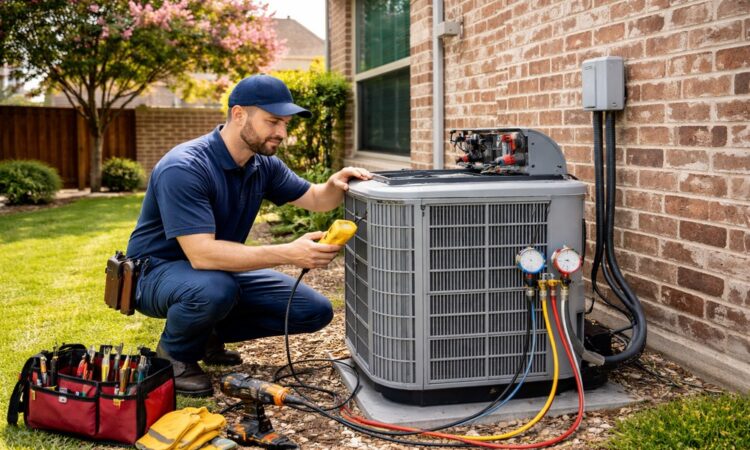
Living in Scottsdale means relying on your air conditioner for much of the year. When temperatures climb into the triple digits, the last thing you want is an AC problem.
One issue homeowners sometimes notice is ice or frost forming on the evaporator coil lines. Surprisingly, low return airflow is often the cause.
But why does this happen?
What Is Return Airflow?
Your HVAC system works by pulling warm air from your home through return vents. This air passes over the evaporator coil, where heat is removed before cool air is sent back into your living spaces.
When enough warm air moves across the coil, everything operates as designed. However, if return airflow is restricted, the coil cannot absorb enough heat. As a result, its temperature drops too low and moisture in the air begins to freeze on the coil and refrigerant lines.
Common Causes Of Low Return Airflow
Wondering what might be restricting airflow in your home? Here are some common reasons:
- Dirty or clogged air filters
- Blocked return vents
- Furniture covering air returns
- Dust buildup inside ductwork
- Damaged or collapsed ducts
- Closed interior doors that limit airflow
- An undersized return air system
In Scottsdale homes, dust accumulation can be especially problematic due to our dry desert environment.
Signs Your Coil May Be Freezing
How do you know if low airflow is affecting your system?
- Ice or frost on refrigerant lines
- Weak airflow from vents
- Warm air coming from registers
- Longer cooling cycles
- Higher energy bills
- Water pooling around the indoor unit after the ice melts
If you notice any of these symptoms, it’s important to act quickly before additional damage occurs.
Why Ignoring The Problem Is Risky?
A frozen coil doesn’t just reduce comfort. It forces your AC to work harder, increasing wear and tear on important components. Over time, this strain can lead to compressor damage, costly repairs, and even premature system replacement.
The good news? Many airflow issues are easy to correct when caught early.
How To Prevent Frozen Coils
The best defense is routine maintenance. Change air filters regularly, keep return vents unobstructed, and schedule professional HVAC inspections. A technician can identify airflow restrictions before they become serious problems.
At Scottsdale Air Heating & Cooling, we’ve helped local homeowners stay comfortable since 1947. Our team understands the unique challenges Arizona’s climate places on HVAC systems and can quickly diagnose airflow issues that may be causing frozen coils.
If your AC is struggling to keep up or you notice ice forming on the refrigerant lines, contact Scottsdale Air Heating & Cooling for expert service and reliable solutions that keep your home cool all summer long.