
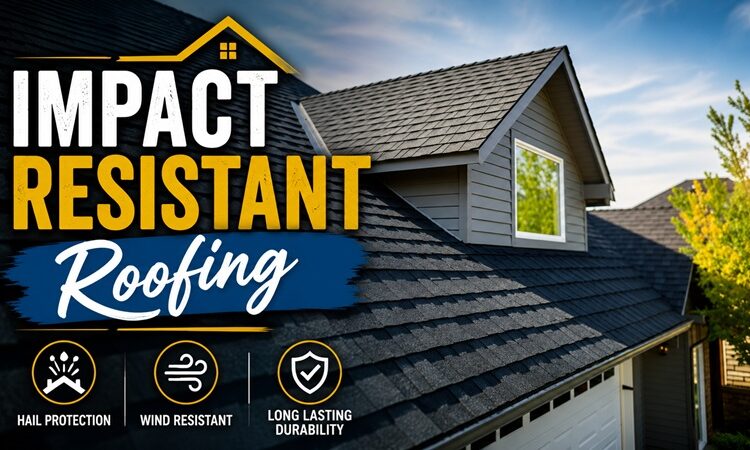
A roof used to be something homeowners thought about once every couple of decades, usually only when it started leaking. That has changed. Between rising insurance premiums, stricter underwriting standards, and a string of costly hail and wind seasons, impact resistant roofing has quietly become one of the most requested upgrades in home improvement, and one of the few renovations that can noticeably lower a monthly bill you already pay regardless of whether you ever file a claim.
What Actually Counts as “Impact Resistant” Roofing?
Impact resistant roofing refers to materials tested and rated for their ability to withstand hail, flying debris, and severe wind without cracking, splitting, or losing their protective seal. The most common rating system runs from Class 1 to Class 4, with Class 4 representing the highest level of resistance, generally tested by dropping steel balls onto roofing samples to simulate hail impact and checking for cracks or punctures afterward. A roof does not need to look different to qualify. Many Class 4 asphalt shingles are designed to closely resemble standard shingles while offering meaningfully more protection underneath.
Why Are Insurance Companies Suddenly So Focused on Roofs?
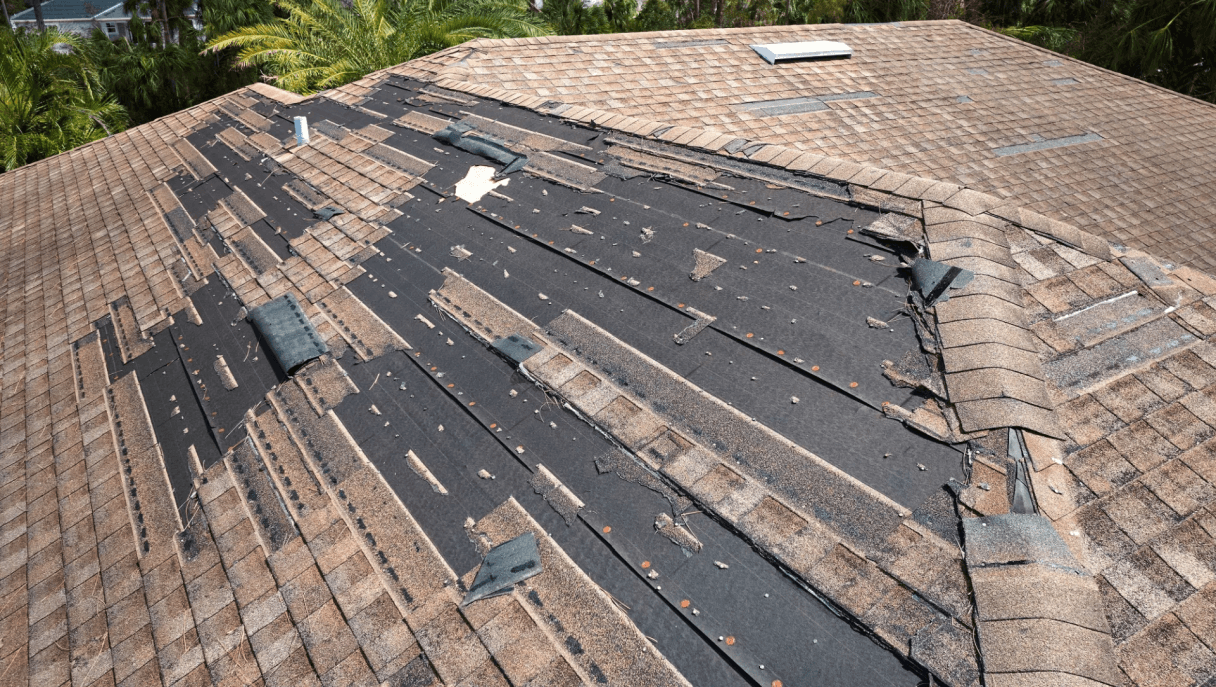
Roof damage drives a huge share of homeowners insurance claims, and hail and wind losses in particular have climbed sharply in recent years. Insurers have responded by pushing harder for policyholders to install materials that are less likely to generate a claim in the first place. This is not a subtle nudge in a lot of states. Texas became the first state to require insurers to offer a discount for hail resistant roofing decades ago, and hail prone states like Colorado have seen insurance carriers actively steering homeowners toward Class 4 materials during underwriting, sometimes tying continued coverage or renewal terms to the roof’s rating.
How Much Can Impact Resistant Roofing Actually Save You?
Discounts vary by carrier and state, but homeowners with qualifying impact resistant materials have reported premium reductions as high as 25 percent in some cases. Even where the discount is more modest, the math tends to work in a homeowner’s favor over time, since a roof less likely to generate a claim also means fewer rate increases down the road, and fewer of the coverage headaches that come with filing one. It is worth asking your specific insurer for the exact discount tied to a specific product before assuming any number applies to your policy.
Which Roofing Materials Qualify?
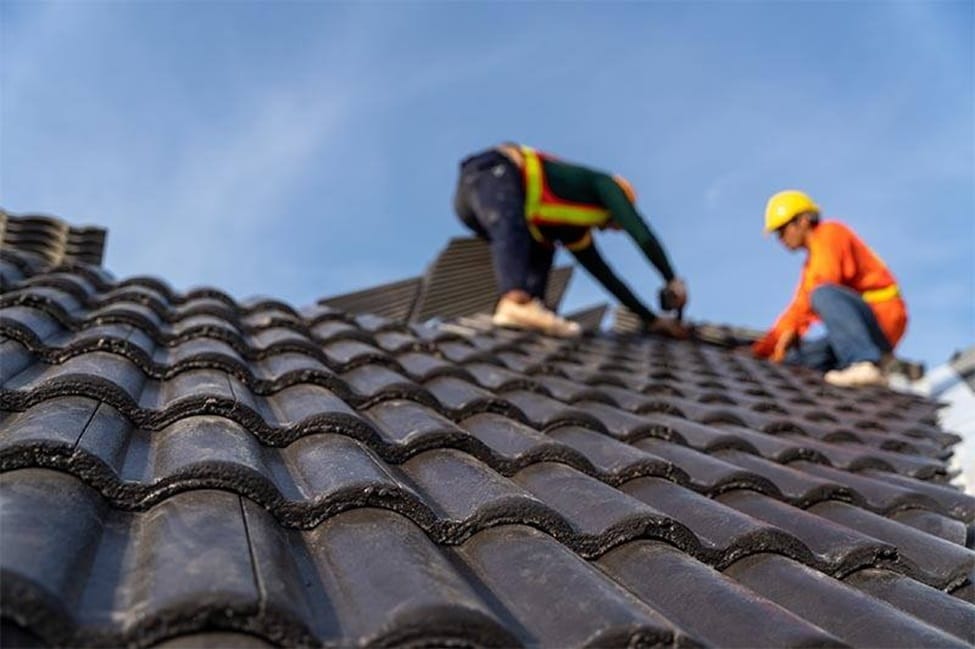
Several material categories commonly meet Class 4 standards. Standing seam metal roofing and stone coated steel are among the most consistent performers, often rated for winds well above 100 miles per hour in addition to strong impact resistance, and typically lasting 50 years or more with proper installation. Certain synthetic shake and slate products, engineered to mimic the look of natural cedar or slate without the maintenance issues of rot, warping, or insect damage, frequently carry both a Class 4 impact rating and a Class A fire rating. Traditional asphalt shingles are not excluded either. Impact resistant asphalt shingles exist specifically to offer this protection at a lower price point than metal or synthetic alternatives, making the upgrade accessible even for homeowners not ready to commit to a full material change.
Is Impact Resistant Roofing Worth the Higher Upfront Cost?
For most homeowners in weather exposed regions, yes, though the payoff timeline depends on your specific insurance discount and how long you plan to stay in the home. Metal and synthetic options generally cost more upfront than standard asphalt shingles, but they also last considerably longer, which spreads that higher initial cost across many more years than a standard roof would. Combined with an ongoing insurance discount, the total cost difference over the life of the roof is often smaller than the sticker price alone suggests, and in hail prone regions, the reduced likelihood of a costly claim or a denied renewal adds real value beyond the discount itself.
What About Cool Roofing, Does That Help Too?
It helps in a different way. Cool roofing uses reflective materials or coatings to bounce solar radiation away from the home rather than absorbing it, which can lower attic temperatures significantly and cut cooling costs in warmer climates. It is not the same thing as impact resistance, though the two are increasingly available in the same product, particularly in reflective metal roofing systems that combine a Class 4 rating with a lighter, more reflective finish. If you are weather exposed and paying high summer cooling bills, asking specifically about a product that offers both qualities in one system is worth the extra conversation with a roofer.
How Do You Actually Get the Discount?
Start by calling your insurer before you install anything, not after. Ask exactly which certifications or ratings they require to qualify for a discount, since some carriers require a specific third party rating rather than accepting a manufacturer’s general marketing claim. Once installed, keep the documentation from your roofing contractor, including the product’s official rating and installation certification, since your insurer will likely require proof before applying any discount to your policy. It is also worth asking whether the discount applies immediately or at your next renewal period, since the timing varies by carrier.
What Should You Watch Out For?
Not every product marketed as “impact resistant” carries an actual third party Class rating, and installation quality matters nearly as much as the material itself. A Class 4 shingle installed incorrectly will not perform the way it is rated to, and some insurers will decline a discount if the installation was not done by a properly licensed contractor. It is also worth checking your roof’s shape alongside its material, since certain roof designs, flat and mansard roofs in particular, carry higher insurance risk regardless of the material used, due to drainage and repair complexity that has little to do with impact resistance.
The Bottom Line
Impact resistant roofing has moved from a niche upgrade to something insurers are actively steering homeowners toward, and for good reason. It genuinely reduces the odds of a costly claim, and increasingly, it comes with a direct discount on a bill you are already paying every month regardless of the weather. Before your next roof replacement, it is worth treating the insurance conversation as seriously as the material and color choices, since the potential savings can meaningfully change which option actually makes the most financial sense.
Insurance discounts for impact resistant roofing vary by carrier, state, and specific product, and requirements change over time. This article provides general information, not insurance or financial advice, so confirm current discount eligibility directly with your insurance provider before choosing a roofing material.